
Energy
Wind power slashed 4.6 billion euros off electricity bills in Spain last year claim
The sector has called for the unblocking of projects and the promotion of measures to comply with the national energy and climate plan

Madrid
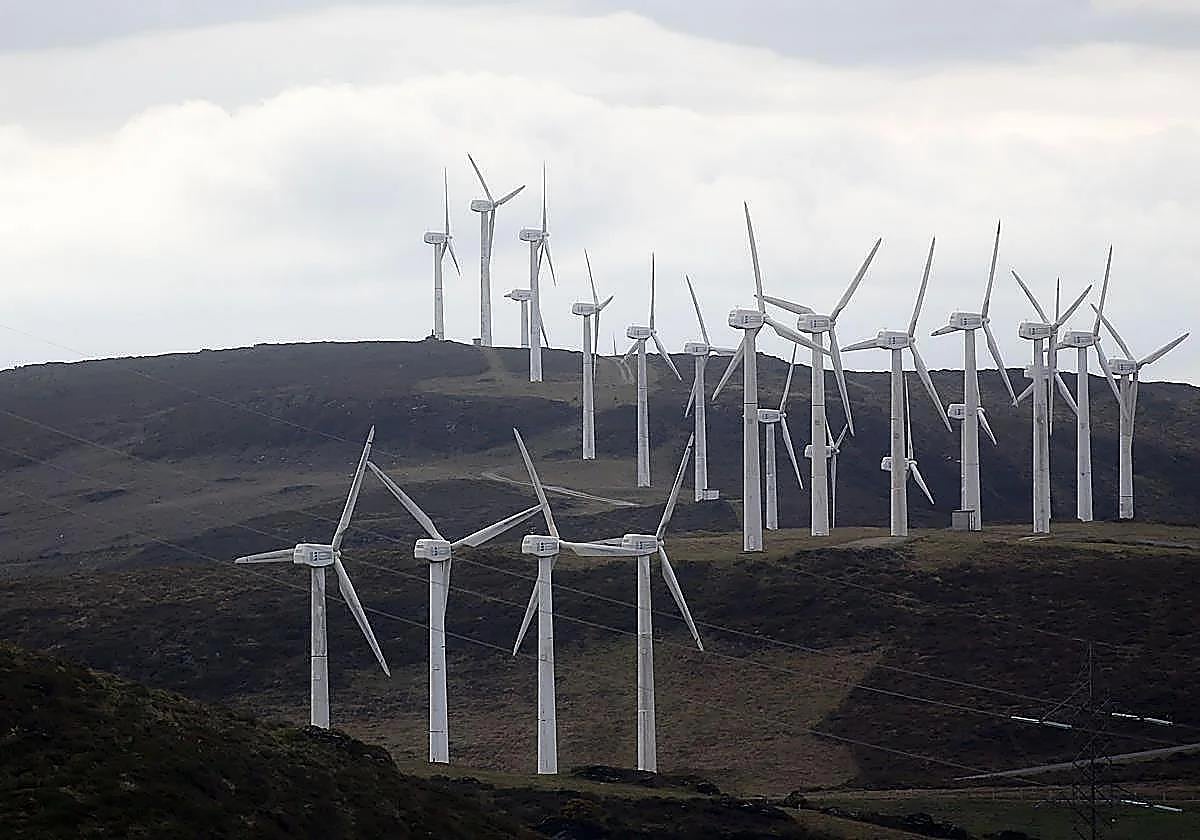
Wind power is consolidating its position as one of the pillars of the energy and economic system in Spain, although it is going through a key moment marked by regulatory blockages that threaten its development. This renewable energy source is set to become the leading technology in the electricity mix, with a production of 59,378 GW and a coverage of 24% of demand, according to the macroeconomic study of the impact of the wind energy sector in Spain 2024, prepared by Deloitte and presented by the Spanish wind energy association (AEE).
The sector contributed 0.25% to GDP and enabled savings on consumers' electricity bills of more than 4.6 billion euros in 2024, with an average reduction in the wholesale price of close to 20 euros per MWh. Between 2012 and 2024, the accumulated savings exceed 47.4 billion, according to the study. The sector also employed 37,070 people, 4.7% more than the previous year, with high value-added jobs and a clear industrial vocation in regions such as Galicia, the Basque Country and Andalucía. Spain is also the world's fourth largest exporter of wind turbines, behind only China, Denmark and Germany, with exports valued at 1.95 billion euros, which are growing steadily year after year.
However, in the eyes of the sector, if Spain does not unblock regulatory bottlenecks, provide legal certainty for projects and accelerate electrification, "Spain will lose a historic opportunity for reindustrialisation and progress", director general of AEE Juan Virgilio Márquez warns. According to the sector, one of the main immediate challenges is to accelerate the electrification of the economy and increase electricity demand to prevent zero or negative prices from perpetuating in the market, which conditions investment decisions.
Despite the fact that the installed capacity reached 31,679 MW in 2024, after adding 1,185 MW, the sector warns that the current pace is insufficient to meet the objectives of the national integrated energy and climate plan (PNIEC). "The reason is that the administrative process is very complex. Different criteria are applied in different parts of Spain and even between individual projects. This is slowing down the pace necessary for the natural growth demanded by the industry," Márquez says.
Spain should be installing around four gigawatts of wind energy per year, but barely reaches one gigawatt per year. In his opinion, it is essential to coherently apply the principle of the higher public interest of renewables, which is included in European legislation but not yet fully adopted into Spanish law, in order to provide security and stability to the development of new projects.
The reality is that projects or industrial capacity are not lacking, but administrative and judicial obstacles make it almost impossible to meet the forecasts for 2030. More than ten gigawatts have administrative authorisation for construction, although some three gigawatts remain paralysed in Galicia. Added to this are 9.2 GW with a favourable environmental declaration pending authorisation and more than 17,000 MW blocked since 2018, mostly due to unfavourable environmental reports. According to the sector, for every megawatt installed in recent years, four have not been developed. It calls for the effective application of the European principle of overriding public interest in renewables to unblock projects and provide regulatory stability.
Repowering, security of supply and offshore wind
Another major strategic vector is the repowering of existing wind farms. Spain has more than ten gigawatts that are more than 20 years old and nearly three gigawatts that are more than 25 years old - installations located in areas that are already anthropised, with a known resource and consolidated social endorsement. However, current regulatory and environmental constraints mean that, in some cases, repowering a wind farm may even mean a loss of power. The sector is calling for a clear roadmap, with incentives, improvements in grid access and regulatory security that will allow business decisions to be anticipated and to make the most of this potential. In particular, the situation in Galicia is of concern, where paralysed projects imply not only a brake on the energy transition, but also the loss of industrial and employment opportunities. The AEE estimates that the current blockage jeopardises the creation of some 4,000 jobs.
At the same time, the sector is calling for enhancing the security of the electricity system through the effective activation of the technical regulations necessary for renewables to provide stability services, such as voltage control, grid forming or the damping of oscillations. Although companies are willing to be authorised to provide these services, they warn of the costs, regulatory risks and the need for clear and coordinated planning with the system operator to avoid distortions.
Offshore wind is set to become a long-term industrial sector, but the ministerial order for the first pilot auction of this type of wind is still pending development. According to AEE, even with a first auction in 2026, the first wind farms would not be operational until 2033. Delaying this first step would mean giving up the creation of more than 4,000 jobs associated with the first gigawatt and losing ground to countries such as France, Norway, the UK and the Netherlands, which are already moving forward with defined policies and auctions. Márquez insists on the need to activate an initial market that allows the Spanish industry to position itself from the outset in the global offshore wind value chain.
All of this takes place in a context of high tax pressure. The sector suffers a tax impact of close to 600 million euros per year, mainly derived from the 7% tax on the value of electricity production, the temporary energy levy and specific figures such as the wind tax in Aragon. According to AEE calculations, for every 1,000 euros of income, 224 euros are spent on taxes and levies - a burden that far exceeds expenditure on personnel and which penalises new investment.
![[]](http://static.vocstatic.com/voc26/latest/assets/images/favicon/surinenglish/apple-touch-icon-57x57.png)