
Opinion
Spain beyond the stereotypes: Debunking the myths
Clive Muir, who has lived in the country for over 20 years, responds to a recent article by Zoe Strimpel published in The Spectator that condemned Spain as "the worst country in Western Europe"
Clive Muir
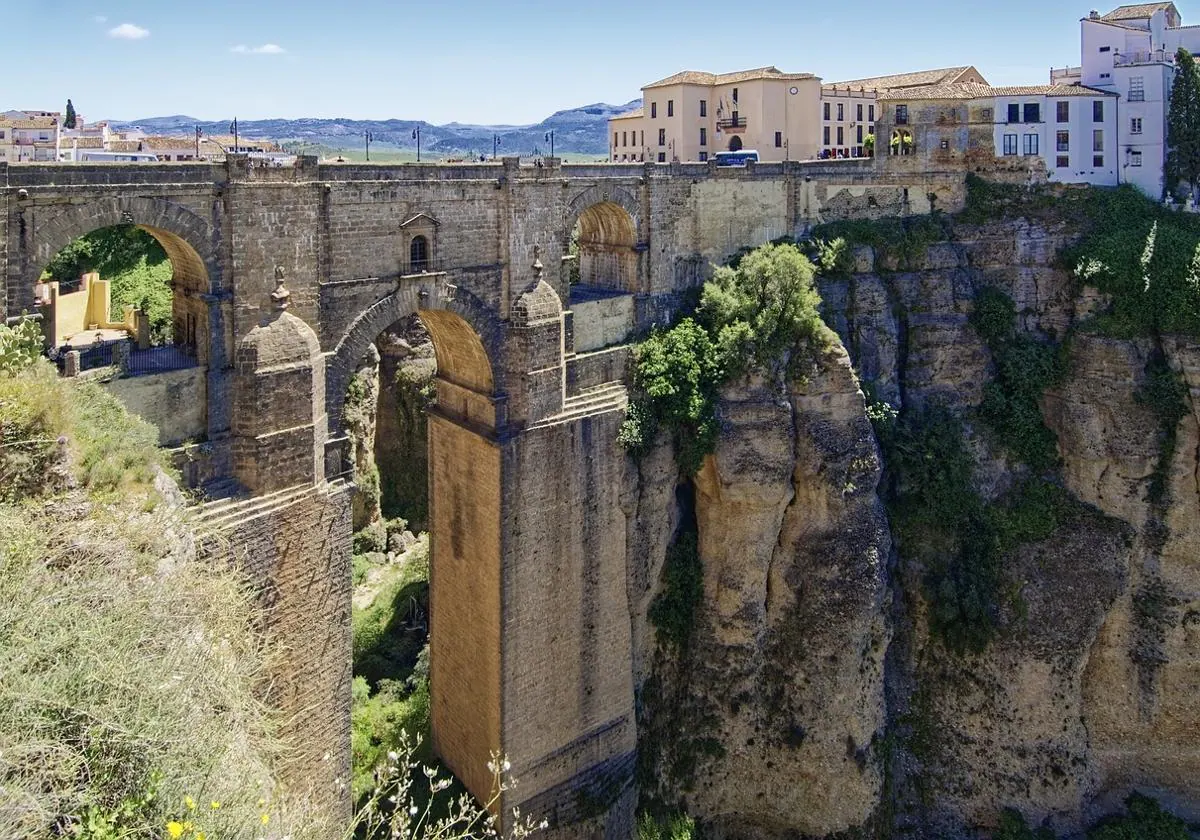
Ronda
Spain, with its rich tapestry of history, culture, and landscapes, is often misunderstood by those who spend fleeting moments within its borders. After living in Spain for over 20 years, I’ve witnessed a country that defies the clichés and criticisms often hurled its way. Contrary to a recent article by Zoe Strimpel published in The Spectator that unfairly condemned Spain as "the worst country in Western Europe," I would like to offer a counterpoint rooted in experience, cultural appreciation, and a deep love for this complex and vibrant nation.
Related article
Spain’s cities: More than meets the eye
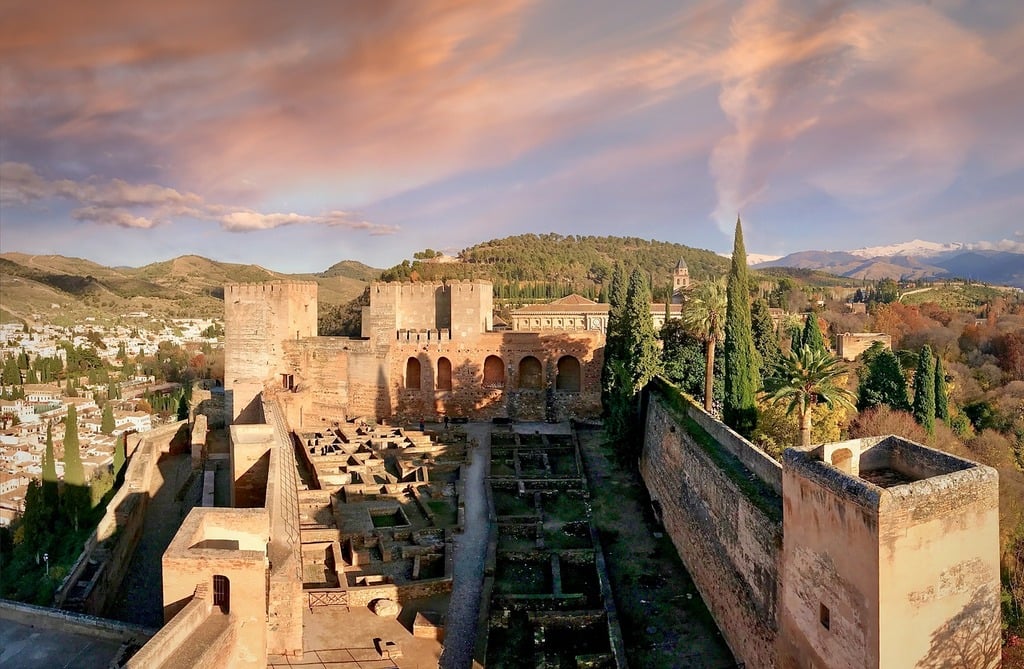
The article by Zoe Strimpel paints Spain’s cities as “dire” and “depressing,” but this couldn’t be further from the truth. Cities like Seville, Granada, and Cordoba offer a stunning blend of Moorish and European architecture, centuries-old traditions, and vibrant street life. The alleged “stink of drains” is far from a common experience; in fact, these cities are regularly celebrated for their charm and beauty. Ronda, with its breathtaking cliffside views, has been a muse for artists, poets, and travelers from around the world. Far from “the end of the world,” it feels like the heart of Andalucía.
Related article
-
 Jennie Rhodes
Moreover, Madrid’s wide avenues and thriving cultural scene rival those of any European capital. From the Prado Museum to the bustling markets of El Rastro, Spain’s capital is a dynamic city that offers both history and modernity. And while Barcelona has seen its challenges with over-tourism, it remains an architectural marvel, with Gaudí’s creations standing as testaments to Spain’s creative genius.
Spanishfood: A culinary treasure
Claiming that Spanish food is “the worst in Europe” does a disservice to a culinary tradition that has shaped some of the most beloved dishes in the world. Spanish cuisine is about simplicity, quality ingredients, and bold flavors. Paella, with its roots in Valencia, is a celebration of Spain’s agricultural and maritime bounty. Tapas, far from being “greasy,” allow diners to sample a variety of flavors and textures, from the delicate jamón ibérico to the rich and hearty stews of the north.
Regional diversity in food also makes Spain a paradise for food lovers. Galicia offers some of the finest seafood in Europe, while the Basque Country is home to some of the best Michelin-starred restaurants. And yes, calamari sandwiches may not be for everyone, but they’re part of Madrid’s unique street food culture.
Spain’s political landscape: Complex but not unique
The article unfairly portrays Spain’s political spectrum as uniquely "nasty," when in reality, the country grapples with the same polarizing issues that many Western nations face. Spain has emerged from a difficult 20th century, marked by civil war and dictatorship, to become a stable democracy. Its debates around nationalism, especially in Catalonia, are deeply rooted in history but are part of the vibrant political discourse that exists in any thriving democracy. Spain’s position on international issues, such as the Israeli-Palestinian conflict, reflects its political diversity rather than any inherent "hatred."
The economy: Resilient and evolving
While Spain has faced economic challenges, particularly in the wake of various financial "crises", it’s inaccurate to label the economy “moribund.” Spain’s tourism industry remains one of the largest in the world, and cities like Madrid and Barcelona are hubs for innovation and business. Spain’s renewable energy sector is one of the fastest growing in Europe, with the country being a leader in wind and solar power. Spain’s resilience and adaptability are often overlooked in favor of negative stereotypes.
Bullfighting and tradition: An evolving debate
Bullfighting, while undeniably controversial, is a part of Spain’s complex cultural heritage. However, it’s worth noting that there is a growing movement within the country advocating for animal rights, and many regions, such as Catalonia, have banned the practice altogether. This reflects Spain’s evolving attitude towards tradition, where respect for heritage is balanced with modern ethical concerns.
Spain’s true identity
Spain is far more than the outdated stereotypes of package holidays, tapas, and bullfighting. It is a country of immense diversity, where every region has its own identity, language, and traditions. From the rolling hills of Andalusia to the bustling markets of Madrid, Spain is a place where history and modernity coexist.
Rather than Zoe Strimpel dismissing Spain with sweeping generalisations, she should celebrate its complexity, acknowledging both its challenges and its beauty. I encourage people to explore Spain with an open mind, beyond the surface-level misconceptions. Spain isn’t just a destination — it’s a way of life (just as any other country), and one that deserves to be experienced with depth and understanding.
The author of this article, Clive Muir, operates various tourism-related websites: www.visitingcadiz.com (Tourist infomation for the city of Cadiz), www.wildsideholidays.com (Wildlife and nature holidays in Spain), www.caminodelrey.es (Tourist information for the Caminito del Rey), www.rondatoday.com (Online tourist guide for Ronda) and www.grazalemaguide.com (Everything you need to know about Grazalema)
![[]](http://static.vocstatic.com/voc26/latest/assets/images/favicon/surinenglish/apple-touch-icon-57x57.png)