
Health
West Nile virus detected in equine in Guadalhorce valley town
The virus is primarily transmitted by mosquitoes and this is only the second municipality in Malaga province where it has been identified
Europa Press
Malaga
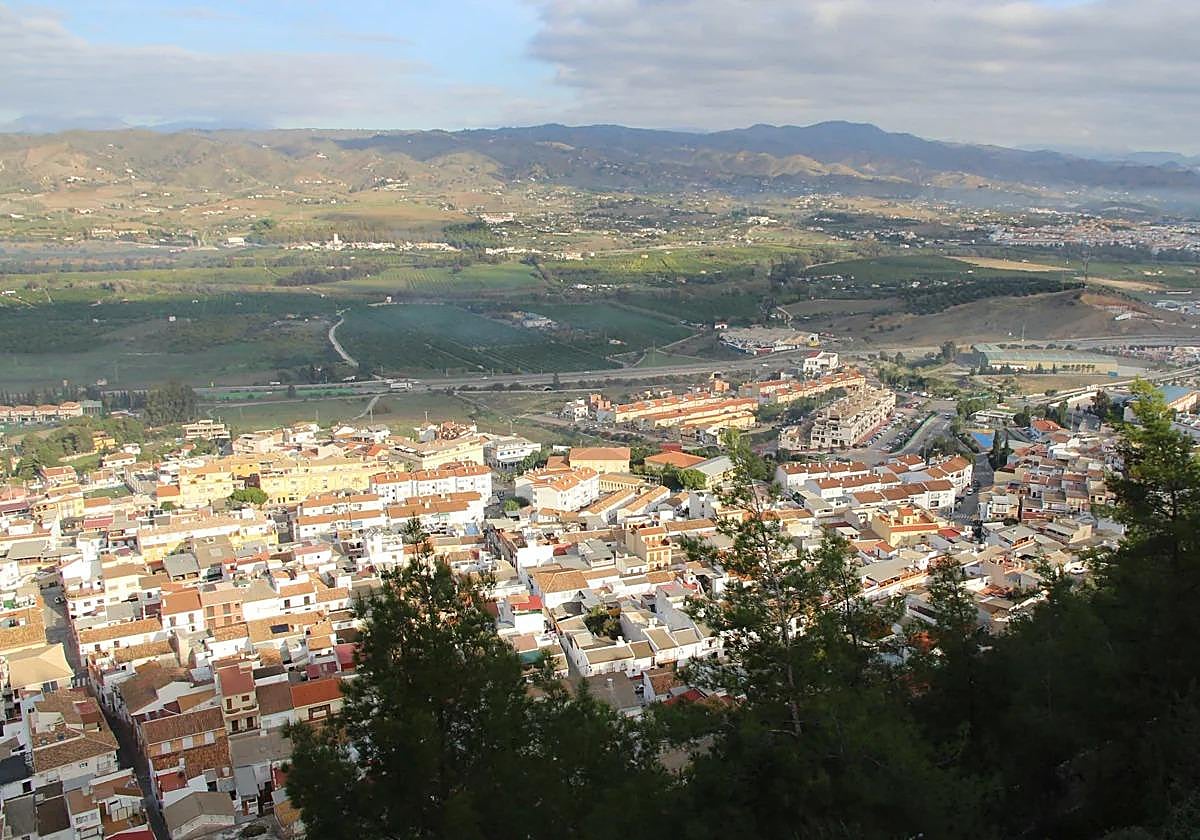
The health ministry of the Junta de Andalucía has reported the detection of West Nile virus (WNV) in the Guadalhorce valley town of Cártama. This makes this municipality the second Malaga province where the virus has been found, after it was reported to have been found in mosquitoes trapped in the area around the Guadalhorce river, in the Campanillas area. However, in the case of Cártama, the West Nile virus has not been detected in mosquitoes but in an infected equine, as has happened in Villanueva de la Reina, in Jaén, and in Beas, in Huelva.
Most cases of the WNV in humans, to date, have been recorded in the Seville province of the Andalcuía region, and it has been implicated in the deaths of nine people (most with previous health issues) in the province.
Related news
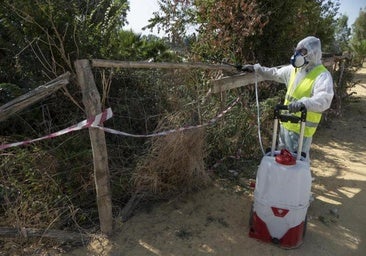
The Junta has informed the municipal authorities of the public health actions to be taken in accordance with the programme for the integral surveillance and control of vectors transmitting West Nile fever (WNF) in Andalucía in order to significantly reduce the probability of transmission to the population. Furthermore, based on the analysis of the weekly results of species, densities and circulation of the virus, it is continuously monitoring the surveillance and mosquito control actions being carried out by the pest control companies contracted by the Cadiz and Seville provincial authorities.
In addition, according to the data obtained from the different sources of information, it can be concluded that the populations of potentially transmitting female mosquitoes maintained the low densities observed during the first three weeks of September in most of the traps, high levels (Grade III and IV) of these species were obtained in Los Palacios y Villafranca (Seville) and Coria del Río (Seville) and medium levels (Grade II) in the Brazo del Este of La Puebla del Río (Seville), Villamanrique de la Condesa (Seville) and Bárbate (Cadiz).
Regarding densities, in the province of Cadiz, in the fourth week of September, a rise in the number of mosquito-transmitting mosquitoes was observed in Barbate and low values in the rest of the province. In the case of Jaén and Cordoba, the densities of these insects are low. Trap catch values in the province of Seville are slightly better than those of the previous week.
![[]](http://static.vocstatic.com/voc26/latest/assets/images/favicon/surinenglish/apple-touch-icon-57x57.png)