
Scam
Warning about electric vehicle charging point scams in Spain
The national institute of cybersecurity (INCIBE) offers guidelines to follow when you come across a QR code at a charging station in order to stay safe and prevent irregular transactions
A. Noguerol
Madrid
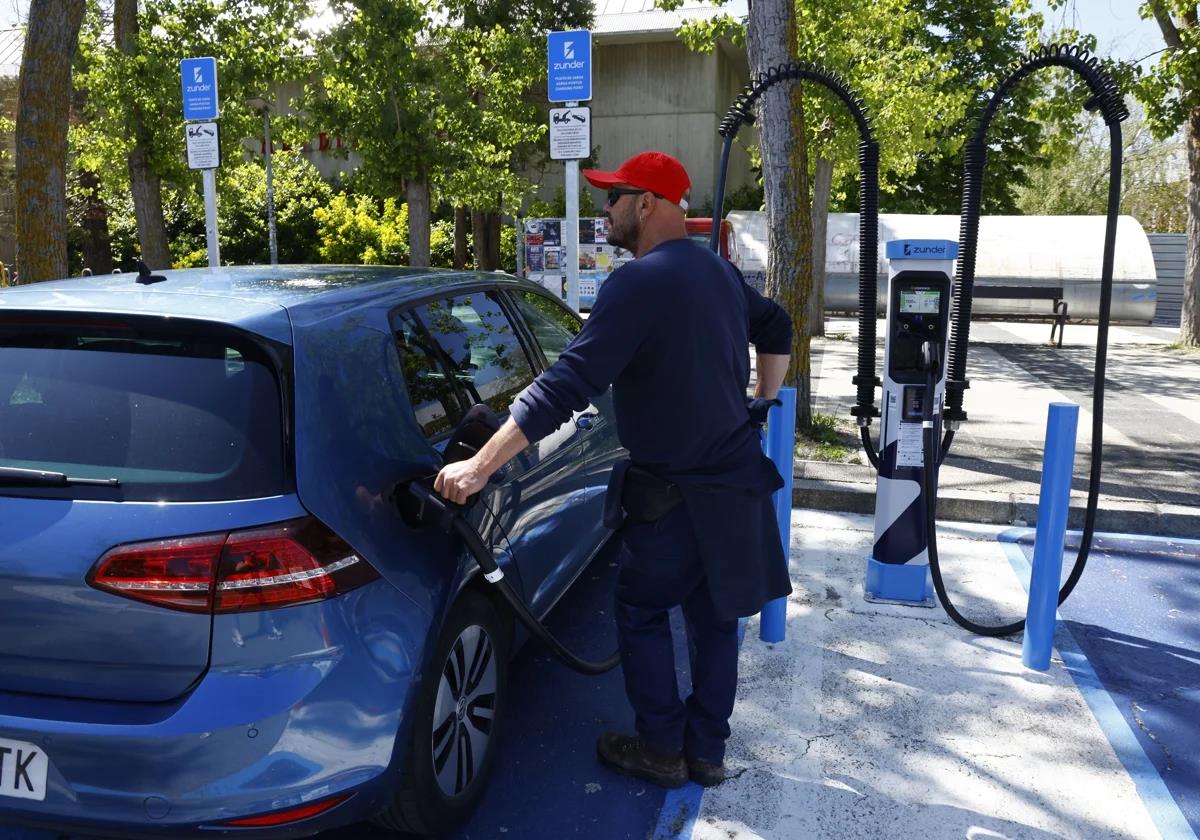
The business association for the development and promotion of electric mobility (AEDIVE) has issued a warning to drivers of electric vehicles in Spain, as a growing fraud involving fake stickers attached to public charging points has been detected in several regions.
These labels, which do not belong to the legitimate infrastructure operators, seek to mislead users in order to make undue charges or to charge more than the real cost.
Fraudulent stickers usually look suspicious, often including a QR code or a WhatsApp phone number. The bait involves offering unrealistically discounted prices or zero costs.
In view of this situation, AEDIVE calls for caution and offers clear recommendations to always use the QR code that appears directly on the recharge point screen and to be wary of any stickers irregularly attached to the post, especially if they offer promotions or dubious prices. Transaction security is paramount to ensure a reliable recharging experience.
Charging point operators (CPOs) that have detected these illicit practices have already taken action. The aim is to tackle and prosecute the people or companies behind this fraudulent activity in order to protect users at a time when QR codes have become widespread, especially since the pandemic.
For this reason, Spain's national institute of cybersecurity (INCIBE) offers guidelines to follow when you come across a QR code at a charging station in order to stay safe and prevent irregular transactions.
Guidelines to avoid scams
The most reliable way to find and activate a charging point is through the official mobile apps of the charging point operators (CPOs). Large companies such as Repsol, Iberdrola, Endesa X Way, Ionity, Zunder or Electromaps have their own apps.
If you see a charging point with offers of "free charging" or "absurdly discounted prices" on stickers attached to the station, be wary. Official charging points have all of their instructions, tariffs and QR codes integrated into the display or the design of the pole, so ignore all add-on stickers that are not part of the original structure.
Legitimate operators do not normally use WhatsApp numbers to handle payments or activations. If you are asked to contact them for a "promotion", it is likely to be a scam.
Make sure that the web address that appears once you scan the QR code is legitimate: it has to begin with "https://" (the 's' indicates security). A padlock icon should also appear in the address bar of your browser. Avoid any websites that ask for bank details without this security protocol.
Finally, always use well-known and secure payment methods, such as credit/debit cards through reliable platforms or payment gateways integrated in official apps.
![[]](http://static.vocstatic.com/voc26/latest/assets/images/favicon/surinenglish/apple-touch-icon-57x57.png)