
Transport
Electric scooters are the only means of transport driving up fatal accident statistics in cities in Spain
The personal mobility veheicles tarnish overall good figures for 2024, with notable decreases in urban pedestrian, motorcyclist and cyclist fatalities

Madrid
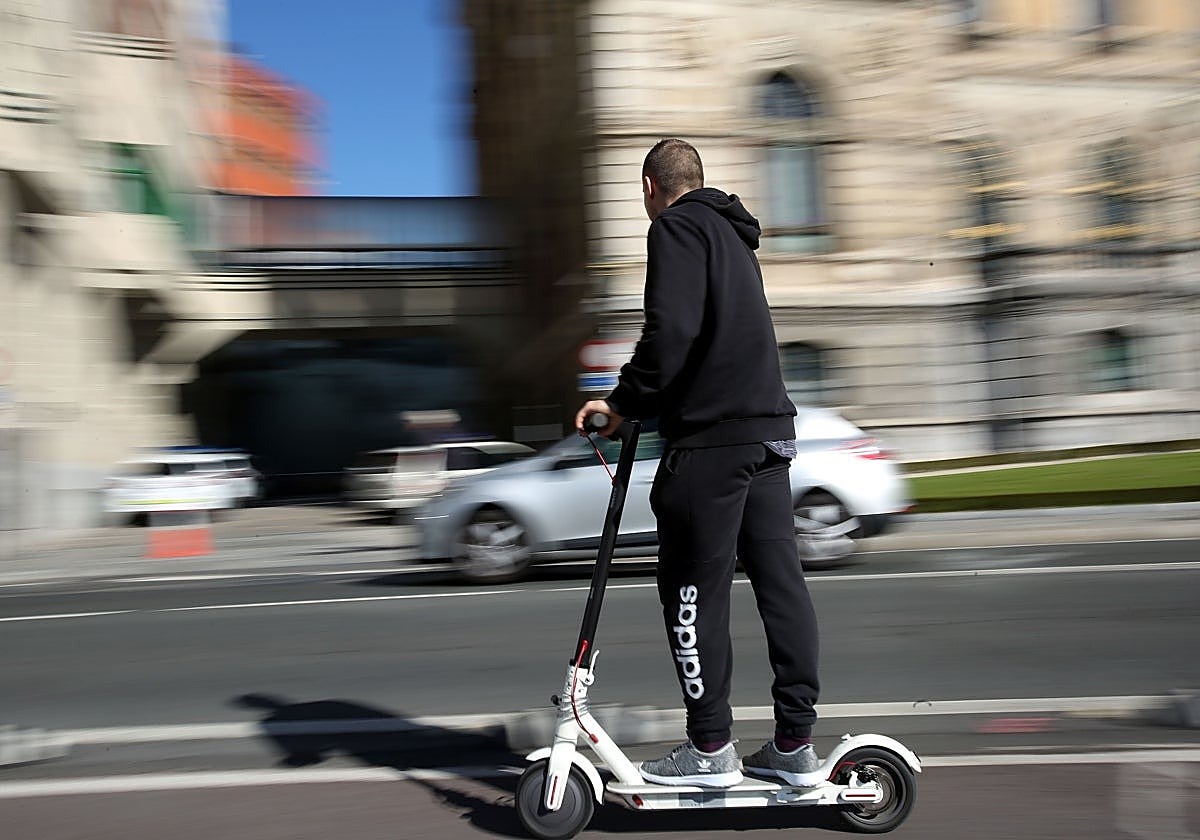
Electric scooters are the only type of vehicle that saw an alarming increase in the number of deaths in traffic accidents in Spanish cities in 2024 according to data released by the Directorate-General of Traffic (DGT) on Thursday 7 August.
There were however notable decreases in deaths among pedestrians, motorcyclists and cyclists, who are the other three groups of vulnerable groups.
Thirteen people were killed in traffic accidents on Spanish roads last year in accidents involving electric scooters. There were five more than a year earlier, which represents a 62% increase in the number of fatalities. This very negative figure was revealed only eight hours after a 13-year-old boy died, at around three in the morning, on an avenue in Pájara (Fuerteventura), after falling from the scooter he was riding.
Related story

In 55 per cent of cases the victims were not wearing helmets, a safety system that is currently optional in most municipalities, but which will soon be compulsory on urban roads, as the DGT is drawing up a royal decree that will make it essential for scooters, as it has been for motorbikes and mopeds for years.
Between 55 and 77% of urban commuters killed on scooters and bicycles were not wearing helmets.
The scooter figure tarnished the otherwise positive data on urban accidents in 2024 published by the DGT. Pere Navarro said that last year 488 people died in accidents in Spanish cities and towns, which is 30 fewer than a year earlier and represents a six per cent drop in fatalities.
Despite the tragedy, Navarro described it as an "encouraging" figure, as the number of fatalities was the fourth lowest since records began, despite the increase in both the population and the number of vehicles in circulation. It places Spanish cities as having the safest traffic in Europe, with 27% of those killed in accidents in the country as a whole, compared to the EU average of 38%.
The marked improvement on last year's figures is due to a sharp decline in fatalities among vulnerable urban road users, who account for 80% of urban accident fatalities, compared to only 16% of car drivers or passengers.
Some 42% of the fatalities were pedestrian collisions, with 206 fatalities. There were 17 fewer pedestrians killed than in 2023 (an 8% decrease) and, as usual, two out of three were residents over the age of 65. However, the DGT has commissioned a study to check how many of these pedestrian fatalities are caused by people using their mobile phones when crossing the road.
44% not wearing seatbelts
Motorcyclists accounted for the next highest percentage of fatalities, at 28%. A total of 134 motorcyclists and passengers were killed, 16 fewer than a year earlier, a decrease of 10%.
The third most vulnerable group in terms of number of deaths is cyclists, with 26 fatalities, five per cent of all urban fatalities. This is three fewer (a 13% decrease) than in 2024, but the figure could still improve considerably if we take into account that three out of four of those who died in these accidents were not wearing helmets, which is not compulsory but recommended.
The second biggest group after scooters are the 79 fatalities in cars on city streets. The balance indicates that 42% were not wearing seat belts, which it is estimated could have saved the lives of at least half of these people.
![[]](http://static.vocstatic.com/voc26/latest/assets/images/favicon/surinenglish/apple-touch-icon-57x57.png)