
Motoring
Fines for drivers in Spain: how to appeal them and what chance you have of winning
While many drivers are unaware of their rights or prefer to pay the fine on time to get a substantial discount, legal experts insist that appealing a fine can be an effective option
Motor Channel
Madrid
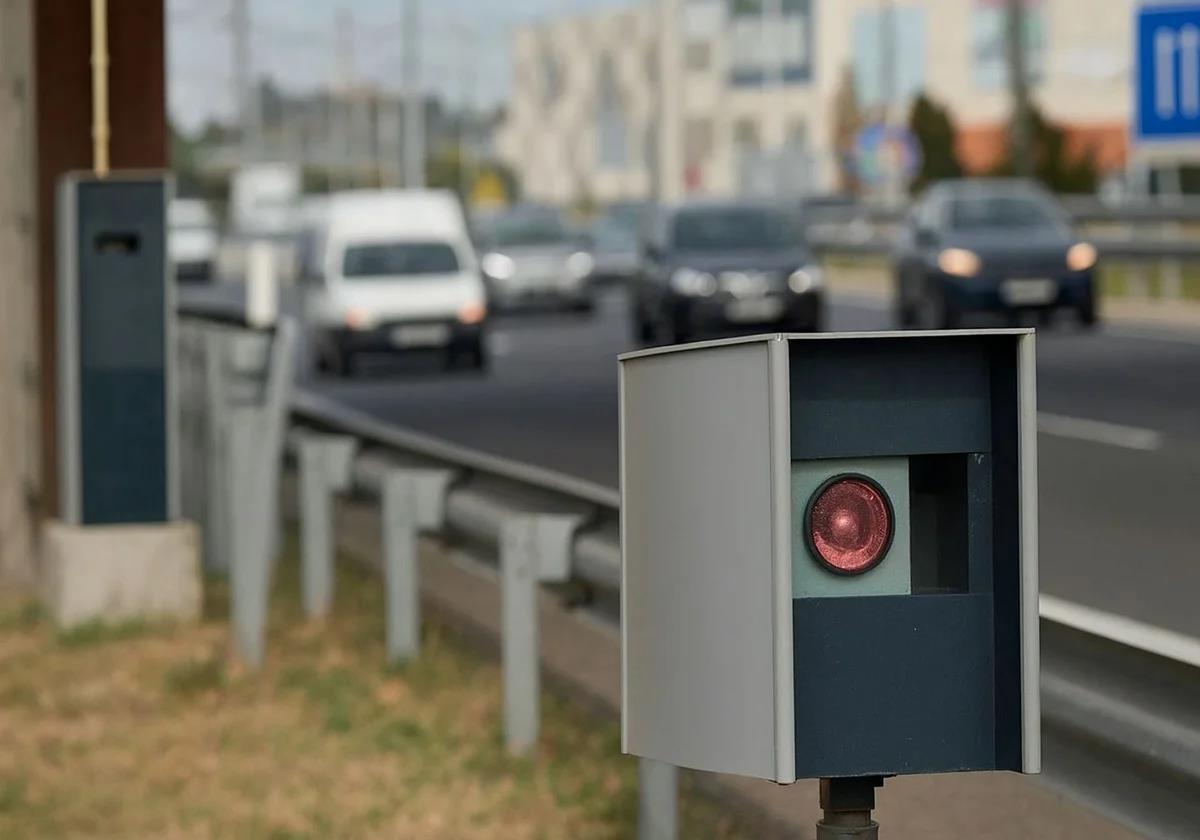
In Spain, speeding is one of the most common traffic offences, with more than 10,000 tickets logged daily and a total of more than 3.5 million fines issued by Spain's directorate-general for traffic (DGT) in 2024. However, what many drivers are unaware of is that a considerable proportion of these fines are overturned by the courts, calling into question the validity of numerous administrative procedures.
Failure to apply radar error margins, deficiencies in testing and procedural errors in proceedings are the main causes of cases being annulled, according to legal experts.
In addition to speeding tickets, many other traffic fines are subject to appeal and, in a significant number of cases, they end up being overturned. Drivers are often unaware of the details that can invalidate a fine being issued, leading to penalties that could have been avoided.
According to Pyramid Consulting, the key to these overturns lies in procedural errors, technical deficiencies with speed cameras or a lack of solid evidence. "Not all fines are well-written. In many cases, the driver's rights are violated and this allows judges to overturn the penalty," state the consultancy's legal team.
Errors in measurement and lack of evidence
Despite their technological sophistication, speed control and surveillance systems are not infallible. The most common reason for court rulings being overturned is the incorrect application of the radar's margin of error, a legal requirement that is often violated. Pyramid Consulting data from the last five years reveals that 43% of rulings in favour of drivers are due to errors in speed measurement.
Fines for improper parking in ORA (time-limited parking) zone, loading and unloading, double parking and so on).
Parking fines are among the most common offences and also one of the most frequently appealed. The grounds for annulment usually include:
Lack of clear or visible signage: if the sign prohibiting parking is illegible, hidden, damaged or does not comply with regulations regarding size or height.
Errors in notification: incorrect dates, incorrect license plate, incorrect address or failure to receive notification at all.
Lack of photographic evidence: in many cities, to justify the fine, there must be a clear photo of the vehicle in question. If this is not attached or is of poor quality, the appeal may be successful.
Expiry of the file: if the administrative body handling the case takes too long to notify or process the fine, the penalty may expire.
Force majeure or emergency situations: although more difficult to prove, a justified emergency situation could be grounds for defence.
Red light or stop sign offences
Fines for running a red light or stop sign (often caught on camera) can also be appealed, as follows:
System calibration or verification: lack of approval or maintenance of the red-light system (or stop cameras) can be grounds for revocation. The devices must undergo periodic checks.
Insufficient or unclear frames: if the images do not clearly show that the vehicle has run the red light or stop sign (for example, if the stop line, the colour of the traffic light or the moving vehicle are not visible).
Road maintenance: a poorly synchronised or malfunctioning traffic light.
Fines for mobile phone use, non-use of seatbelts or child-restraint systems
These sanctions are often based on the attending police officer's perception, which may give rise to a defence case being presented:
Lack of hard evidence: when any offence is just observed by an officer, the primary evidence is testimony. If there is no other evidence (photos, video) or the testimony is inconsistent, it can be appealed.
Incorrect identification of the offender or the vehicle: errors in the licence plate or driver description.
Driving under the influence of alcohol and/or drugs
Although these are very serious motoring offences, appeals can focus on:
Errors in the testing procedure: failures in the calibration of the breathalyser, in the chain of custody of the drug sample, or failure to provide the necessary safeguards to the driver (the right to a second test, and others).
Formal defects in the police report: inconsistencies or errors in the drafting of the police report.
Some 15% of cases are won for lack of metrological control of the radar booth and a further 17% due to the failure to provide two frames taken at different times, as required by law.
Blurry or obscured photographs account for 7% of the cases won and failure to verify the speed limit on the road - due to poor signage or lack of evidence - accounts for 16%.
Formal defects
In addition to technical problems, errors in the processing of files on court proceedings are another important cause of annulment. Law 39/2015 on 'common administrative procedure' establishes that an administrative act may be null and void if it fails to comply with essential formal requirements. "We encounter unmotivated resolutions, poorly managed notifications or procedures that are flawed from the outset. In all these cases, the appeal is likely to succeed," said Víctor Martín, lawyer at Pyramid Consulting.
Key to making an appeal
If you receive a fine that you believe to be unfair or there is some irregularity, here are the general steps:
Save the original notification: this is the starting point for any appeal.
Verify the data: check that all information (number plate, date, time, place, description of the offence) is correct.
Look for procedural errors: pay attention to whether the fine is properly reasoned, whether it includes the officer's details, the amount and so on.
Gather evidence: if you have photos, videos or witnesses that contradict the version stated on the fine, they can be of great help.
Respect deadlines: appeals have very strict deadlines (normally 20 calendar days from the notification for the appeal or initial arguments ('alegaciones').
Consider legal advice: especially in complex cases or if the amount is high, having lawyers specialised in traffic fines significantly increases your chances of success.
Curiously, despite the widespread deployment of speed cameras, only a small number of radars account for the majority of fines. Just 50 speed cameras are responsible for a third of all speeding tickets issued in Spain.
The most active speed camera is located on the M-40 in Madrid (kilometre 20), with over 74,000 tickets annually. This is followed by cameras in Malaga, Navarra and Cadiz. However, the European association of motorists (AEA) points out that 70% of traffic fatalities occur on secondary roads, where the presence of speed cameras is minimal.
Related story
Given this reality, also despite the fact that many drivers are unaware of their rights or prefer to pay the fine on time to get the discount, experts insist that appealing a fine can be an effective option, especially with specialised legal advice. "An unfair fine should not be simply accepted. There are solid legal arguments that, if properly presented, allow the fine to be overturned", is Pyramid Consulting's concluding remark.
![[]](http://static.vocstatic.com/voc26/latest/assets/images/favicon/surinenglish/apple-touch-icon-57x57.png)