
Technology
Spanish government cancels million-euro Huawei contract on grounds of 'strategic sovereignty'
Equipment from the Chinese tech giant was due to be installed in several public bodies, including the Ministry of Defence

Santander
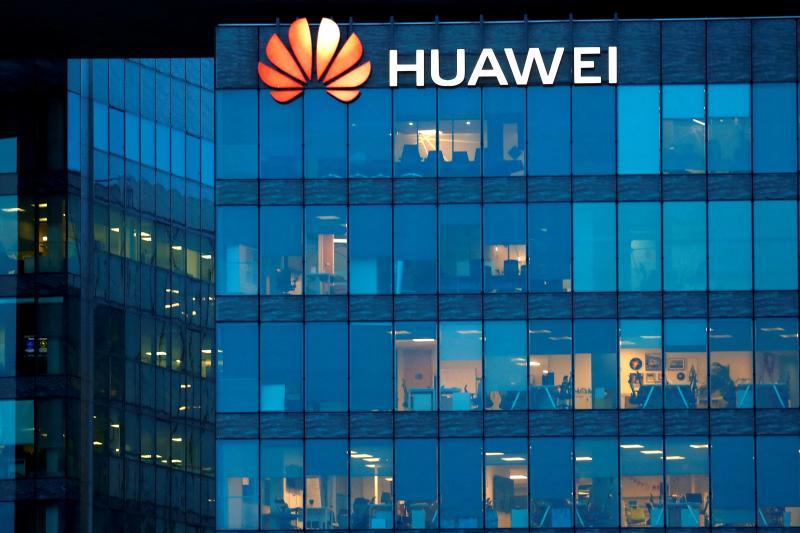
The contract that the Spanish government signed with Telefónica for 10 million euros for the installation of Huawei equipment in several public institutions, including the Ministry of Defence, is "in the process of being cancelled" due to "strategic autonomy criteria", according to Secretary of State for digitalisation María González Veracruz. She addressed the matter at the inauguration of the 39th digital economy and telecommunications forum organised by Ametic and held in Santander on Monday, 1 September.
Veracruz was there to replace minister for digital transformation Óscar López, who cancelled in extremis his attendance at the biggest digital industry event of the year. She said that the contract "was not fully awarded" or "signed" and will now be redirected to another project, although she did not specify which one. The Chinese technology company is once again a headache for the government, which is now changing its position with respect to the defence it has always maintained of Huawei in the face of criticism from the US and even Brussels. Even the idea of replacing Huawei equipment with that of other manufacturers is now on the table, although the decision has not yet been taken.
According to the state secretary, this now-cancelled contract arose from an idea that "was modulated like so many other issues in digitisation". "We are in a dynamic environment" and changing decisions "are part of normality", Veracruz said in response to questions from the media about this controversial contract.
The contract was for the renewal of a third of the RedIRIS equipment - the public fibre network - which currently relies on equipment from the Chinese manufacturer. Although Veracruz insisted that "the use of Huawei equipment is not banned in Spain", as the country does "not have a list of high-risk suppliers", there will be a new awardee of the contract that will be known "in the next few days".
No Broadcom factory
Another of the current issues in the technology sector is the decision by US company Broadcom not to open a microchip factory in Spain. The state secretary said that the important thing "is not what one company or another decides, but to assess the overall injection of foreign investment" that will be made in Spain in new technologies when the 16 billion SETT, the so-called 'Sepi digital', are implemented.
Asked about Trump's threats to increase EU tariffs and pressure on US technology giants through tools such as the 'Google tax', González Veracruz stated that Spain will remain a European "benchmark" in defence of the protection of minors on the internet. "This role is essential for the government," said the State secretary, adding that Spain will maintain "a clear position, not only of regulation such as AI, but also of transferring fundamental rights to the new sphere of coexistence that digital society represents".
87 million to boost smart cities
In her appearance at the Ametic forum, the secretary of state for digitalisation announced 87 million euros for local councils to digitise cities in Spain. "We want to continue helping to finance local entities to improve digitalisation," said Mária Gonzáles Veracruz. These funds will go towards improving technological infrastructures, data development and artificial intelligence (AI).
![[]](http://static.vocstatic.com/voc26/latest/assets/images/favicon/surinenglish/apple-touch-icon-57x57.png)