
Fire safety
The cocktail of climate change and rural neglect making wildfires in Spain increasingly extreme
A WWF report points out that fires are becoming increasingly intense and dangerous, with more than 200,000 hectares burned annually, due to a large accumulation of dry fuel

Madrid
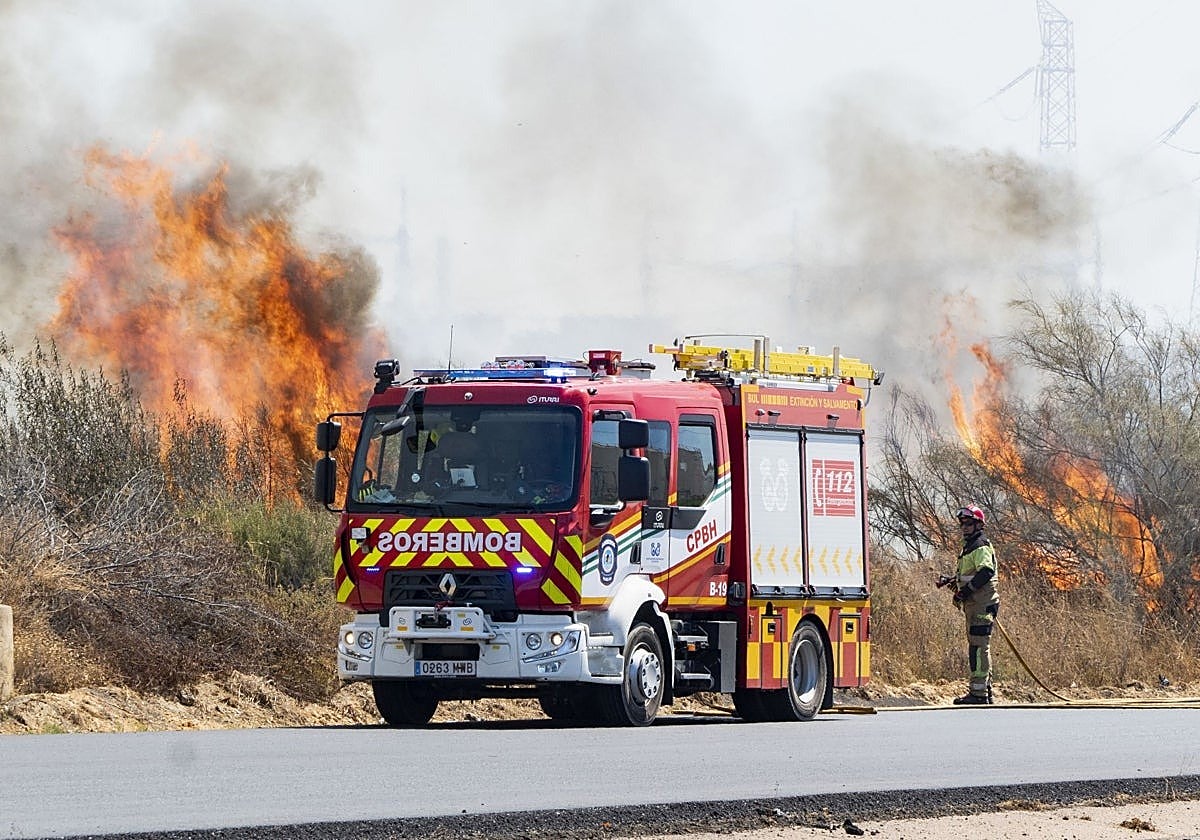
According to a World Wildlife Fund (WWF) fire report published this week the number of wildfires burning more than 500 hectares of land in Spain has increased in the last 20 years and they have become more intense.
"The harmful cocktail generated by the climate crisis, coupled with dry fields, heatwaves and the abandonment of the mountains increase the explosive potential," claimed the NGO in 'Fires out of control. 20 years promoting prevention'. "In the last two decades, there is a clear trend in the extreme intensification and danger of forest fires on a global scale and in Spain," the report warned.
The worst incidents occurred between 2021 and 2023, with more than 250,000 hectares affected by fire, which were caused in 95% of the cases by humans, according to the report. To complicate matters further, since 2017 "a new type of fire has been identified, classified as 'sixth generation', which is capable of modifying meteorological conditions and making it harder for emergency services to extinguish them," the report said.
The cause of this transformation lies in the increase in forest area, up seven per cent since 2005, reaching more than 28.4 million hectares "in serious decline", with almost 90% in "unfavourable conditions" and with a quarter "highly stressed and weakened. This is a clear indicator of the deterioration in their resilience and flammable potential", the report says. "If the abandonment of agricultural uses and the decline of extensive livestock farming continue, it could get even worse".
In 2030, a tenth of the agricultural area could be at "high or very high risk of abandonment" due to lack of profitability or lack of generational replacement. The number of sheep has fallen by 40% and goats by 30% in the last 30 years.
Preventive measures
In these conditions, "new fires are of high intensity due to a large accumulation of dry fuel which, together with the impact of the effects of the climate crisis, makes them explosive'and unpredictable, generating pyrocumulus, clouds of gases and water vapour, which can turn into firestorms", said the WWF.
To reduce the danger of fires, the report suggests adopting a regulatory framework that sets common criteria in prevention plans, adopting climate change mitigation and anticipating extreme scenarios.
It also proposes developing a state policy for the countryside that promotes extensive livestock farming and creates jobs, promotes tax credits and sustainable financing in rural areas and promotes research and knowledge of the phenomenon, because "a better understanding of the behaviour of fire will allow us to anticipate and reduce the risk in extreme conditions".
![[]](http://static.vocstatic.com/voc26/latest/assets/images/favicon/surinenglish/apple-touch-icon-57x57.png)