
Heritage
A new architectural treasure in a busy dockside area filled with tourists in Malaga: these are some of its secrets
The Port Authority has finalised the restoration of the 18th century chapel on Muelle Uno to worship the sculpture of the Virgen del Carmen
-k8F-U32732022641Biz-1200x840@Diario%20Sur.jpg)

Málaga
Restoration of the chapel at Malaga's port has just finished. One of the city's low-key architectural treasures is nestled among the hotels and restaurants at Muelle Uno. The work, designed by architects Juan Manuel Zamora and Antonio Luis García-Fresneda, under the direction of technical architect Pablo Pastor, has brought to light the secrets of this unique two-storey building.
Malaga port used to have three chapels. In the westernmost area was the chapel of San Andrés; there was another in Puerta del Mar run by the Minim friars; and a third dedicated to Nuestra Señora del Puerto Salvo, which is the precedent of the one currently standing at Muelle Uno.
-k8F--1200x841@Diario%20Sur.jpg)
-k8F--1200x851@Diario%20Sur.jpg)
With some challenges and stoppages along the way, the current chapel was presumably finished around June 1750, 32 years after construction started.
Same material as the Cathedral
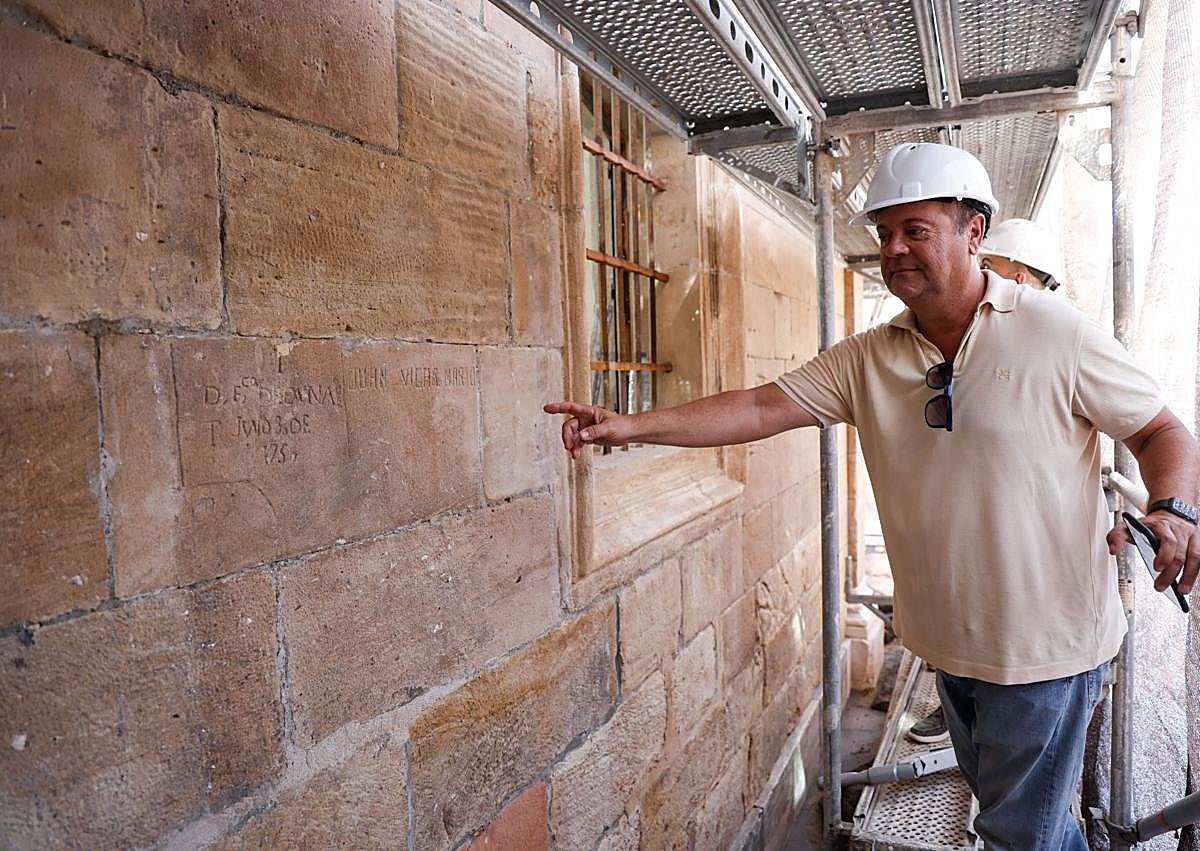
275 years later, the building has regained its splendour thanks to a project involving the restoration of its facades to their original pinkish tone. The same stone was used for the work on the Cathedral.
The exterior of the building has remained practically unchanged over the centuries, preserving the original grillwork of the main balcony as well as some of the gargoyle statues that will recover their function draining the roof when it rains. Once, there used to be a cistern that served to water the gardens of the docks.
-k8F--1200x841@Diario%20Sur.jpg)
-k8F--711x841@Diario%20Sur.jpg)
Over the years, the upper floor has been used for a variety of purposes. It has been documented that it was offered to the governor of the city as a resting place. It may have also been the home of the chaplain of the church, which in the 18th century was dedicated to Nuestra Señora de la Concepción. It also seems to have been used by the captain of the port and his staff.
The chapel held mass every Saturday throughout the 19th century. During the 20th century, the next-door boat club took charge of it. In 1914, the sculpture of the Virgen del Carmen was donated.
.jpg)
-k8F--1200x851@Diario%20Sur.jpg)
-k8F--711x841@Diario%20Sur.jpg)
The religious use of the chapel progressively declined from the Civil War onwards. During the 1970s, the building was moved, stone by stone, to its current location. Architect Enrique Atencia counted all the stone blocks so that he could place them in the same position.
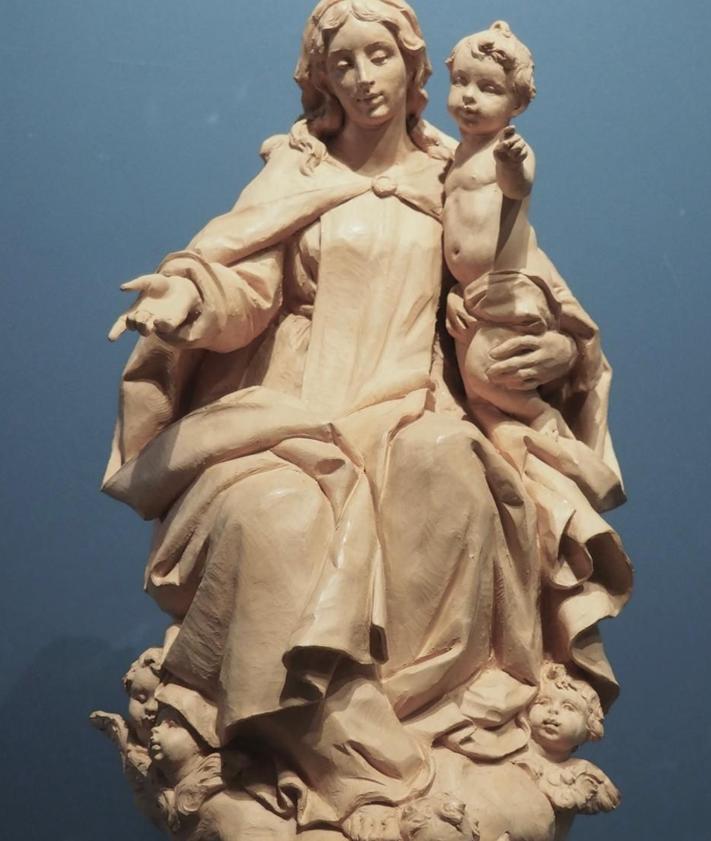
This latest restoration has made some minimal design changes, mostly focusing on strengthening and improving the structure. The chapel will be open during the day to invite people to worship the sculpture of the Virgen del Carmen. The work shows the Virgin seated on a cloud surrounded by the heads of angels, holding Jesus and the Carmelite scapular in her hands.
While the ground floor restores its worship function in the present, the second floor will offer a small exhibition space. The original bell will also be reinstalled after years of storage with the Port Authority.
![[]](http://static.vocstatic.com/voc26/latest/assets/images/favicon/surinenglish/apple-touch-icon-57x57.png)