
Traffic
Fear of low emission zones drives new vehicle sales in Malaga city and large towns on the Costa
Private registrations accelerate by almost 20% and sales of pure electric vehicles double, though they still remain a minority

Malaga
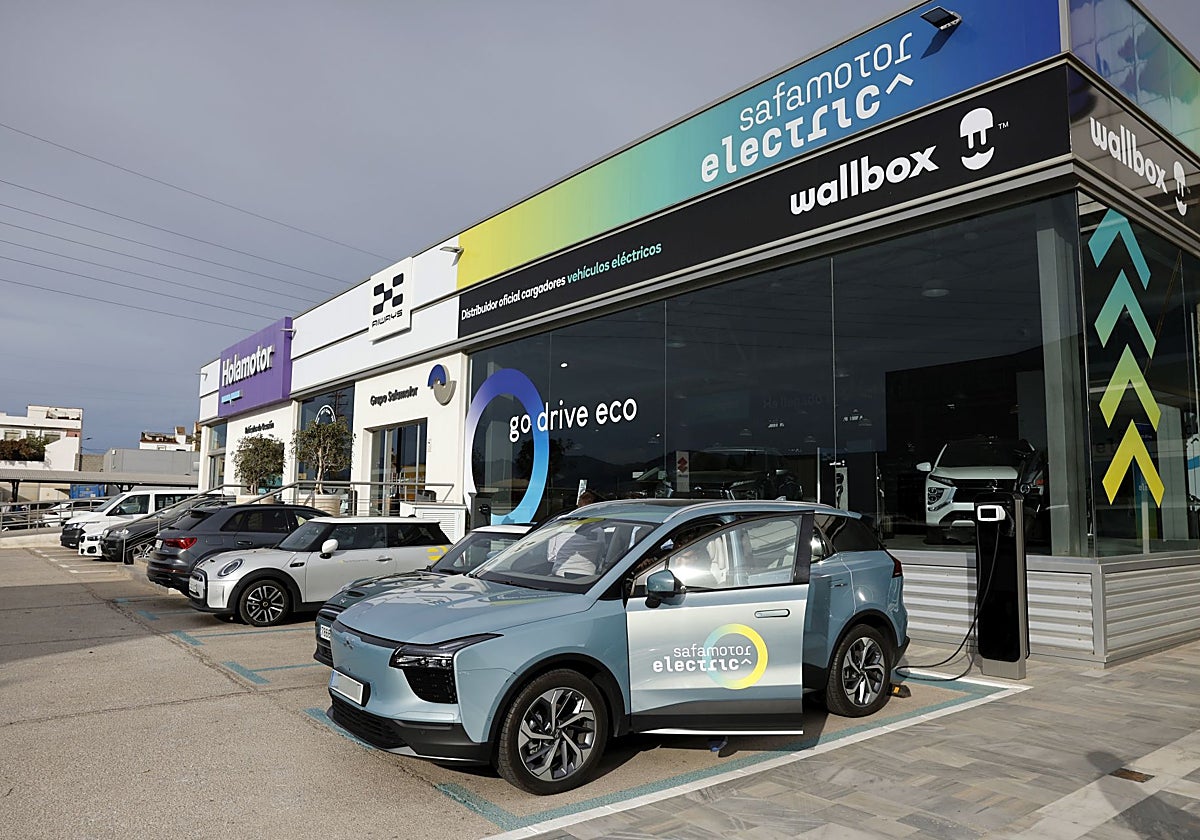
New car sales are on the rise in Malaga and along the Costa del Sol and private registrations are picking up after suffering a decrease during the Covid pandemic. The introduction of low emission zones in large provincial towns and Malaga city has been a major factor in this growth, evidenced by the first question many clients make when they want to purchase a car - what is the environmental label.
Related story
The increase is notable in personal vehicle purchases. After years of searching for a car on the second-hand market, Malaga province residents are once again buying new cars - almost 20% (18.6%, to be exact) this past May, compared to the same month last year (1,574 units). The cumulative figure for the year is also positive, with 6,900 registrations, up 9%, although the improvement is more noticeable in recent times, according to data from the dealerships' employers' association in Malaga (AMA).
Related story
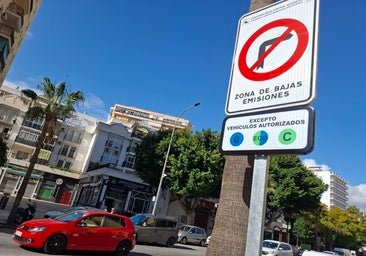
In the overall market, including sales to private individuals, companies and rental car firms, a total of 3,046 cars and SUVs were put on the road last month, a 22.6% increase. From January to May, the cumulative total reached 12,328 units, up 13.2%.
Why now?
June data (not yet closed) confirms this good progress, with an accumulated growth of 12%. "The growth in Malaga is sustainable because it is above double digits," said Juan Peña, sales director of Ford Autovisa. According to him, sales of electric cars are doubling, with 1,229 registrations compared to 645 at the same time last year. However, the vast majority of cars currently being bought are petrol-electric hybrids.
There are several factors behind the increase in sales, according to president of AMA Carlos Oliva, who highlighted that the market is closer to pre-pandemic conditions, although levels are still "slightly worse" compared to those before 2019. The year is expected to close at over 22,000 units, that is, below the more than 24,000 of six years ago.
'Showroom visitors are asking what sticker the car has, both for new and second-hand cars, while before nobody was interested in that'
Why this upturn right now? Experts in the car market report that clients are increasingly asking about the type of environmental label the vehicle they are interested in has. "Showroom visitors are asking what sticker the car has, both for new and second-hand cars, while before nobody was interested in that."
Clients are mainly looking for Eco vehicles - hybrids. "They are already the leading propulsion in terms of registrations, because it is what people are demanding." From this, we can conclude that the fear of not being able to enter low emission zones is driving sales and changing the minds of those who have been holding on to their old cars. Although there is some uncertainty when it comes to choosing a car, it seems like hybrids are emerging as the main option.
In addition, Carlos Oliva said that "on-a-whim" purchases and the desire to simply change their personal vehicle have also been detected among clients. People don't buy cars only because they are forced to due to breakdowns or accidents. In general, Malaga province is going through a good period of employment, which boosts the economy and people and companies' ability to afford new cars.
High prices
However, car prices remain high, causing many to complain. There is a large percentage of Malaga residents who cannot afford to buy a new car. According to Oliva, among the factors that push prices up is the obligation imposed on manufacturers to ensure that cars are equipped with anti-pollution and safety devices, which are costly for them. The battery and the electric motor are an additional cost in hybridisation. "For a high-priced item, a 12% increase means several thousand euros more, even if, in relative terms, it hasn't been that significant."
Despite this, Oliva holds that this is a good time to purchase a car, given the wide variety of discounts, promotions and financing. "Sometimes, the price seems high on paper, but it becomes affordable in the long term through financing," he said.
'The car's environmental label is becoming more and more important when purchasing'
"People are becoming more and more sensitive to the environmental label and not having one is a major deterrent," confirmed Juan Peña.
According to sales statistics, diesel cars are dropping, while electrified cars hold 10% of the market in Malaga province, which, according to Peña, "is one of the most thriving provinces at a national level".
The bulk of the market (25%) is made up of C-label petrol cars. The more basic hybrids (mild hybrids) make up 16%; more advanced hybrids account for 28%, and plug-in hybrids another 8%. Peña states that people have started to pay a lot more attention to the label, especially in cities with a larger number of inhabitants, where restrictions are to be extended.
Peña highlights the expansion of pure electric car manufacturing to other brands, beyond the pioneer - Tesla. The technology is progressing and becoming more affordable. According to him, the increase "is going to be more noticeable in the coming months, also taking into account that the Moves plan has finally been fixed, with a retroactive effect.
A third factor Peña highlighted, linked to economic activity and employment in the province, is that sales of commercial vehicles remain stable with slight growth (just over 1%).
![[]](http://static.vocstatic.com/voc26/latest/assets/images/favicon/surinenglish/apple-touch-icon-57x57.png)