
Gardening
Recommended for your garden in the south of Spain: Rogiera amoena
Rogiera is quite a tough plant and will withstand coastal locations and drought although regular watering through the drier months will ensure a good show of flowers
Denise Bush
Malaga
Plant of the month for February at Malaga's La Concepción Botanical Gardens is the Rogeria, which they have out in bloom at the moment.
Rogeria amoena is one of only three generally cultivated out of around 100 species in the Rogeria genus, the other two are R. cordata and R. gratissima. It was formerly known as Rondeletia amoena after Guillaume Rondelet, a sixteenth century French botanist and physician. The specific epithet 'amoena' comes from the Latin word meaning 'lovely'.
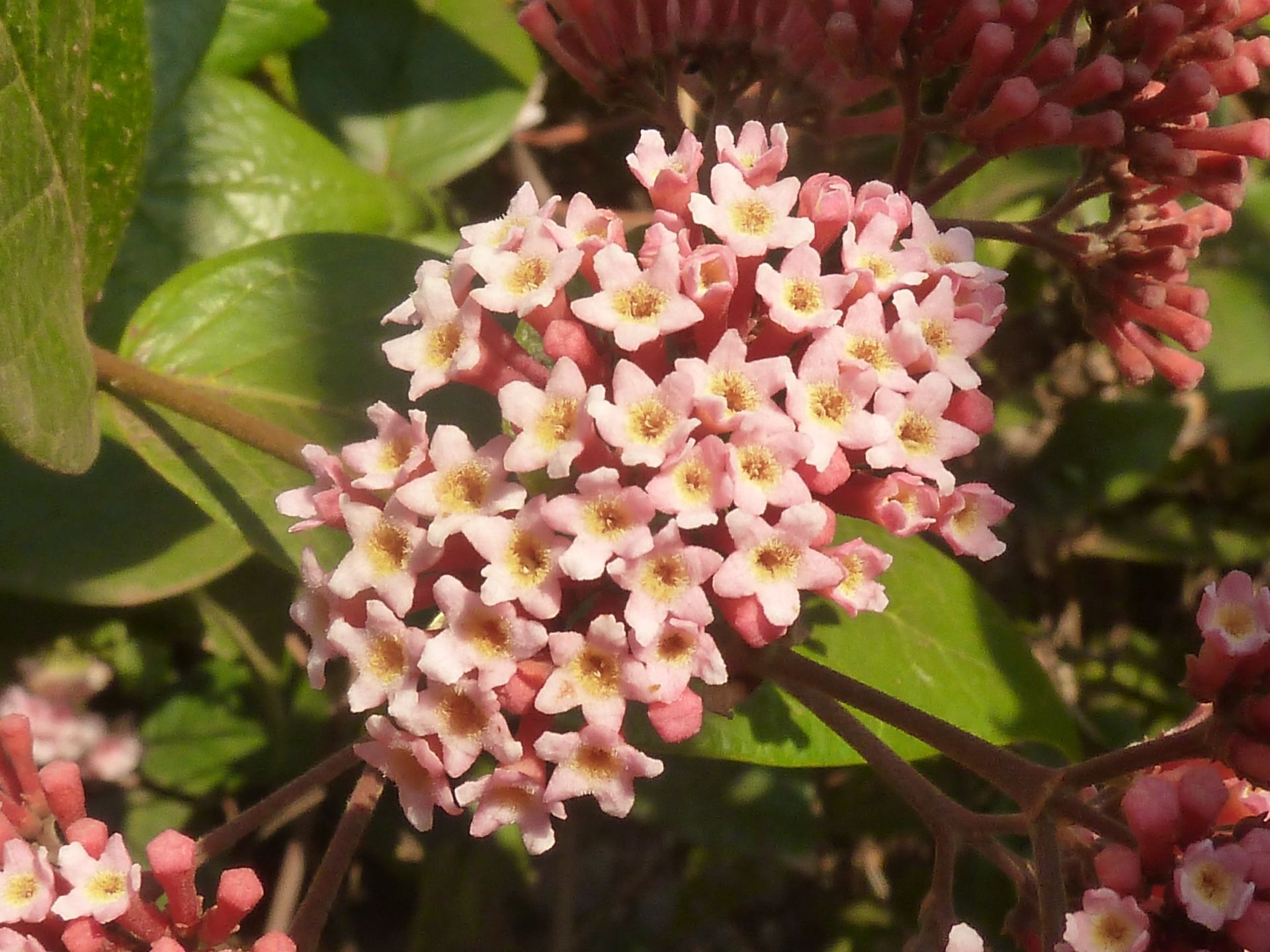
Rogiera amoena is an evergreen shrub or small tree in the Rubiaceae family and is native to Central America. It can reach up to 15 metres in ideal situations but around three metres is more usual. It has large, dark-green glossy leaves and clusters of deep pink buds in early winter that open into salmon-pink scented flowers, each with a yellow throat.
The flowers are long lasting and continue to appear until early to mid spring.
Rogiera is quite a tough plant and will withstand coastal locations and drought although regular watering through the drier months will ensure a good show of flowers. Mulching around the base will help prevent the roots drying out.
It does not like frost and may suffer some die-back in colder inland locations. It may also scorch if placed in direct sunlight so a spot where it can get some shade on summer afternoons is ideal.
The beautiful clusters of perfumed flowers attract lots of pollinating insects, and even the odd butterfly, during the winter when not many plants have any nectar.
It can be grown as a specimen tree by removing the lower branches and makes a good, dense hedge too. If left unpruned it can become straggly and can be cut back quite hard after flowering.
Propagation is best carried out with cuttings of semi-ripe wood in the summer or by seed.
![[]](http://static.vocstatic.com/voc26/latest/assets/images/favicon/surinenglish/apple-touch-icon-57x57.png)