
Economy
Junta de Andalucía to implement income tax deduction for coeliac patients
The measure - the final one in the regional government's new tax relief package - will benefit around 30,000 people in the region, including parents of children suffering from the disease

Seville
The Junta de Andalucía regional government has announced the final measure in next year's package of tax cuts. The latest benefit is for people with coeliac disease or those who have someone in the family suffering from the condition. The measure consists of a 100-euro deduction in the personal income tax return (IRPF). According to the Junta, it will benefit some 30,000 taxpayers.
Although there are only between 1% and 2% official coeliac patients, it is believed that the number of undiagnosed people is much higher. There are currently 47,181 coeliacs registered in the Andalusian health service records.
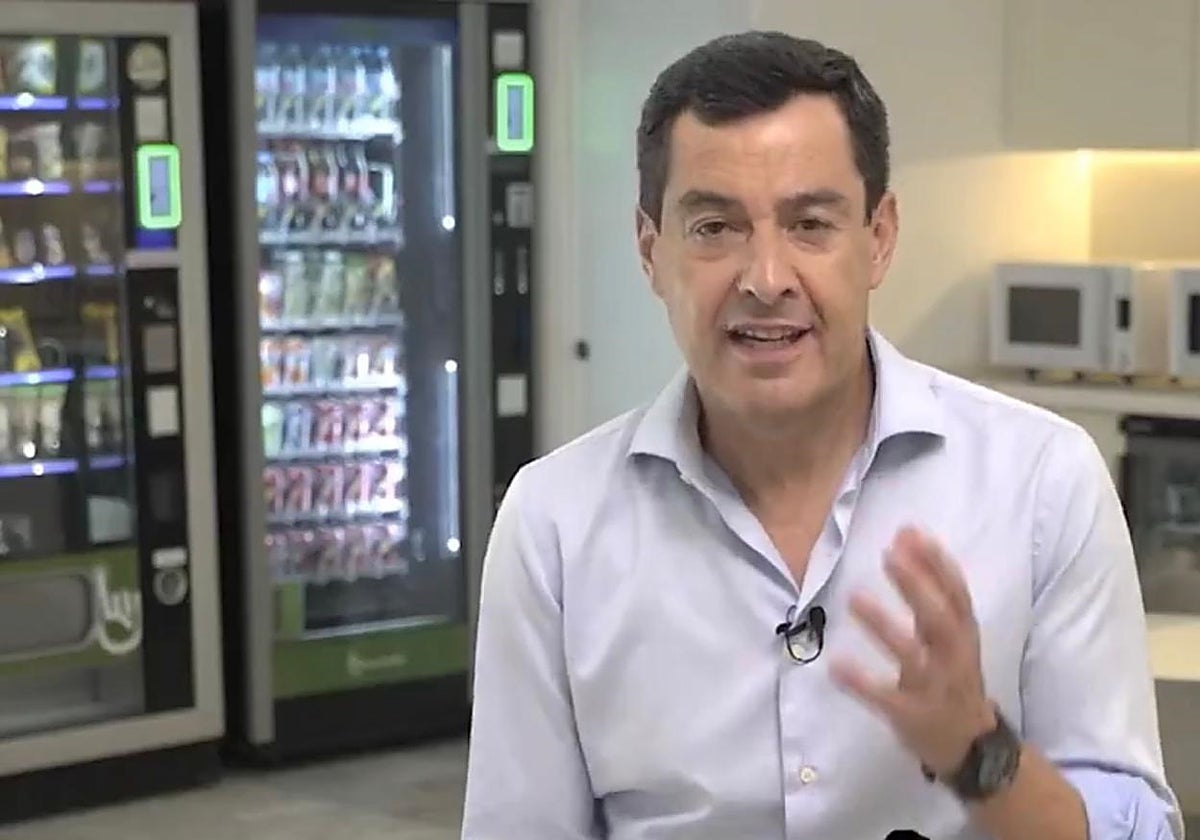
President of the Junta Juanma Moreno announced the measure on Monday, in a video shared on his social media. He said that, although it is a "small step", it is still "a step forward" in response to people's needs. Products for coeliacs, such as gluten-free bread or pasta, are often four times the price of conventional products.
The measure includes both taxpayers who suffer from the disease and those who have a coeliac family member, either a spouse or a child. It will come into force together with the regional budget for 2026 and will have an effect on the tax return to be submitted next spring.
Groceries for coeliacs four times more expensive
"Many families shop every day looking for the 'gluten-free' label on products. Some of them cost four times as much as normal products. Coeliac disease is a condition that has no medication and the only known remedy is diet control, which implies paying four times more for groceries such as bread and pasta," Moreno said.
"We want to support all people and their families by taking this step, recognising the reality that they live every day and alleviating some of the effort they make. Eating gluten-free should not be a luxury for anyone," he added. This measure is expected to have an impact of almost four million euros.
This measure is part of the seventh consecutive deduction package approved by the Junta. This year's package includes reductions on income tax for renting a primary residence, for owning a pet and for practicing some sort of a sports activity in gyms, approved centres and clubs.
The measure has been welcomed by the Andalusian federation of coeliac associations (Faca), whose president - Amor Fernández - said that she was grateful for it, although the deduction "is not very high". According to various studies, a gluten-free shopping basket can cost an extra 1,000 euros per year.
"However, we see this as a significant step forward, which will help us raise social awareness and gain greater recognition," she said. "We will continue working for more support and measures to improve the quality of life of people with coeliac disease and their families in Andalucía," she stated.
The Andalusian socialists see tax cuts as a 'smokescreen', while the confederation of Andalusian entrepreneurs considers them a boost to consumption and investment
Both the Andalusian socialists from the PSOE party and the confederation of Andalusian entrepreneurs assessed Moreno's tax reductions. Their views did not align. PSOE's Javier Fernández described these tax cuts as a "smokescreen" used to cover up the fact that the Andalusian regional government cuts taxes for "those who have more". The Socialist leader and president of the Seville provincial authority said that the regional government should be more concerned with collecting taxes from the wealthier, as tax reductions within their bracket halt progress. According to Fernández, the Junta's main priorities are business owners and the lowering of their taxes "by almost a billion euros", "through a perfectly orchestrated plan".
Opposing this view, president of the confederation of Andalusian business owners (CEA) Javier González de Lara said that the tax cuts planned by the Andalusian government "are going in the right direction as they will allow residents and companies to have more money to continue consuming and investing". González de Lara also stated that "these measures not only do not reduce tax collection, but on the contrary, they can attract new taxpayers". He defended the tax reduction as a tool for economic revitalisation and attracting companies from other regions in Spain, "as there are many people who have sought income registration in Andalucía in search of more benefits".
![[]](http://static.vocstatic.com/voc26/latest/assets/images/favicon/surinenglish/apple-touch-icon-57x57.png)