
Health
Warning of an increase in ticks in Spain this summer: how to avoid being bitten
"Tick activity is no longer limited to rural areas, but is increasingly common in parks, urban gardens and even coastal areas," warns the national association of environmental health companies (Asociación Nacional de Empresas de Sanidad Ambiental)
SUR
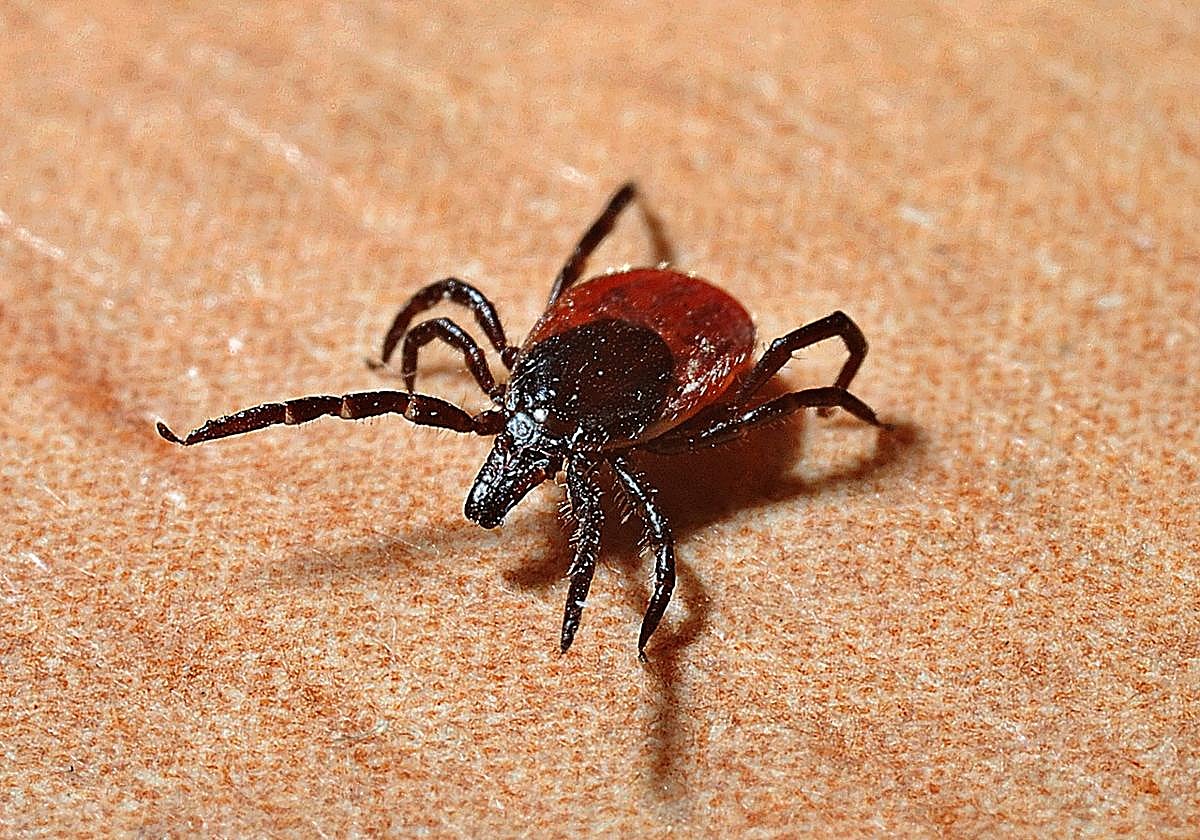
"Ticks have established themselves as one of the most worrying pests in Spain, not only because of their geographical expansion, but also because of their high capacity to transmit serious diseases". This is what the national association of environmental health companies (Anecpla) has warned, highlighting the importance of tackling this threat from a comprehensive public health perspective.
"The increase in tick activity in Spain is a fact. We are seeing how their biological cycle is extending, their metabolism is accelerating and their presence is no longer limited to rural areas, but it is increasingly common to find them in parks, urban gardens and even coastal areas," explains Jorge Galván, general director of Anecpla.
Among the most common species are ticks of the genus Hyalomma, the main transmitters of the Crimean-Congo haemorrhagic fever virus and ticks of the genus Ixodes, involved in the transmission of the Borrelia bacterium, which causes Lyme disease, as well as other conditions of clinical and veterinary concern.
Traditionally associated with rural areas, ticks have expanded their habitats thanks to the growing presence of wild and urban mammals that act as hosts: rabbits, rodents, squirrels and birds. This favours their expansion in urban spaces, which increases the risk of contact with humans and pets, according to Anecpla. "We are facing a threat that can no longer be considered occasional or seasonal. It is a permanent challenge for environmental health that requires the involvement of everyone: citizens, administrations and professionals", stresses Galván.
The organisation stresses the need to adopt preventive measures when going out into the countryside or natural areas, but also in urban green areas. They propose a list of practical recommendations, including the use of appropriate clothing, body checks after walks, the use of repellents, and ensuring that pets are protected with anti-parasite treatments.
To avoid tick bites as much as possible, it is recommended:
-Wear light-coloured clothing - where the presence of ticks is easily visible.
-Wear long trousers tucked into socks.
-Long sleeves.
-Hat.
-T-shirt under outer clothes.
-If you take your pets with you, make sure they are treated for parasites.
-Use a suitable repellent.
-Walk in the centre of the trails, avoiding the edges where tall grasses are often found.
-Avoid touching livestock and/or wild animals.
-Check for ticks on people and pets several times during and at the end of the walk. Pay special attention to those parts of the body where the skin is thinner and where the blood flow is usually greater, such as the groin, armpits, head, back of the ears, elbows, knees, etc.
The association also points out that the management of this pest should always be carried out by qualified professionals, who apply the appropriate methods according to the species, the degree of infestation and the conditions of the environment, thus minimising the impact on human health, animals and the environment.
![[]](http://static.vocstatic.com/voc26/latest/assets/images/favicon/surinenglish/apple-touch-icon-57x57.png)