
Energy
Spain’s wholesale electricity prices surge 700% in one week as Middle East war hits energy markets
Wholesale costs jump from €15 to nearly €120 per MWh, threatening to end a period of record-low bills for eight million regulated-tariff households
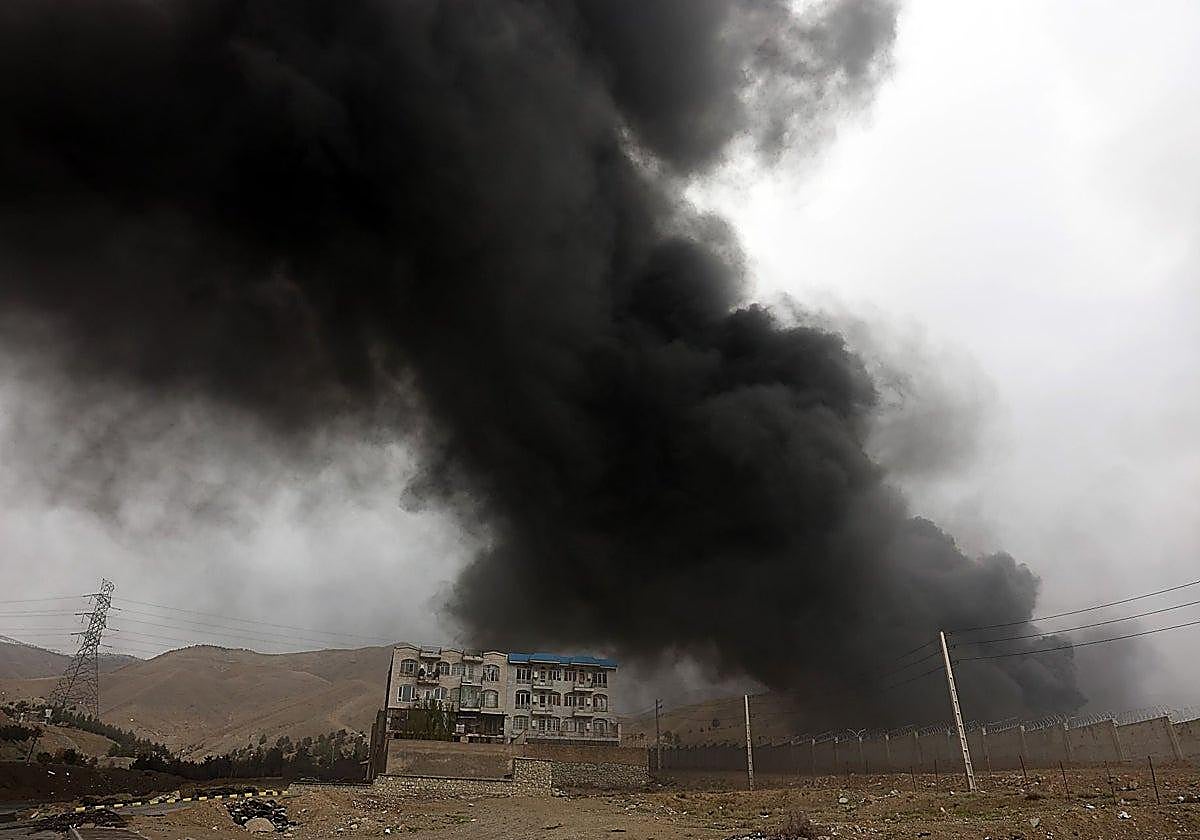

The conflict in the Middle East has abruptly reversed the downward trend in Spain’s energy market, sending wholesale electricity prices soaring by 700% in just seven days.
Despite a series of winter storms that boosted hydroelectric and wind generation earlier this year, the volatility of natural gas has once again taken control of the national grid’s pricing.
At a glance: Spain’s energy crisis
-
- Price Surge: Wholesale electricity rose from €15 to €119.42/MWh in the first week of March
-
- Gas Impact: Natural gas prices have climbed 70% since the conflict began.
-
- Regulated Tariff: Approximately 8 million households are directly exposed to these market fluctuations.
-
- Projected Increase: Analysts predict monthly bills could rise by 50% (up to €64/month) if the Strait of Hormuz remains blocked.
-
- Mitigation: A new "hybrid" calculation for regulated rates is helping to prevent the extreme price peaks seen during the 2022 invasion of Ukraine.
Between 1 March and 9 March 2026, the average wholesale price leaped from €15/MWh to €119.42/MWh. This escalation is driven by a nearly 70% increase in gas prices since the start of the hostilities.
While renewable energy displaced gas-powered "combined cycle" plants to their lowest usage levels since last year, the marginal pricing system means that expensive gas still dictates the final cost for the eight million Spanish households on the regulated (PVPC) tariff.
Related story
Experts warn that a prolonged closure of the Strait of Hormuz - a critical chokepoint for 20% of global hydrocarbons - could lead to even steeper hikes. Analysis suggests that if the passage remains closed for just 15 days, natural gas on the European benchmark (Dutch TTF) could hit €90/MWh, potentially increasing average monthly household bills from €47 to €64.
However, the impact is expected to be less chaotic than the energy crisis of 2022. A recent redesign of the regulated tariff now incorporates more stable "futures" market data alongside volatile daily prices, providing a buffer against sudden geopolitical shocks.
![[]](http://static.vocstatic.com/voc26/latest/assets/images/favicon/surinenglish/apple-touch-icon-57x57.png)