
Economy
Trump suspends permits for Spanish energy giant's main offshore wind farm in the United States
The US president's argument is that recent reports from the war department warn that the turbines pose a risk to national security by interfering with their radar systems

Madrid
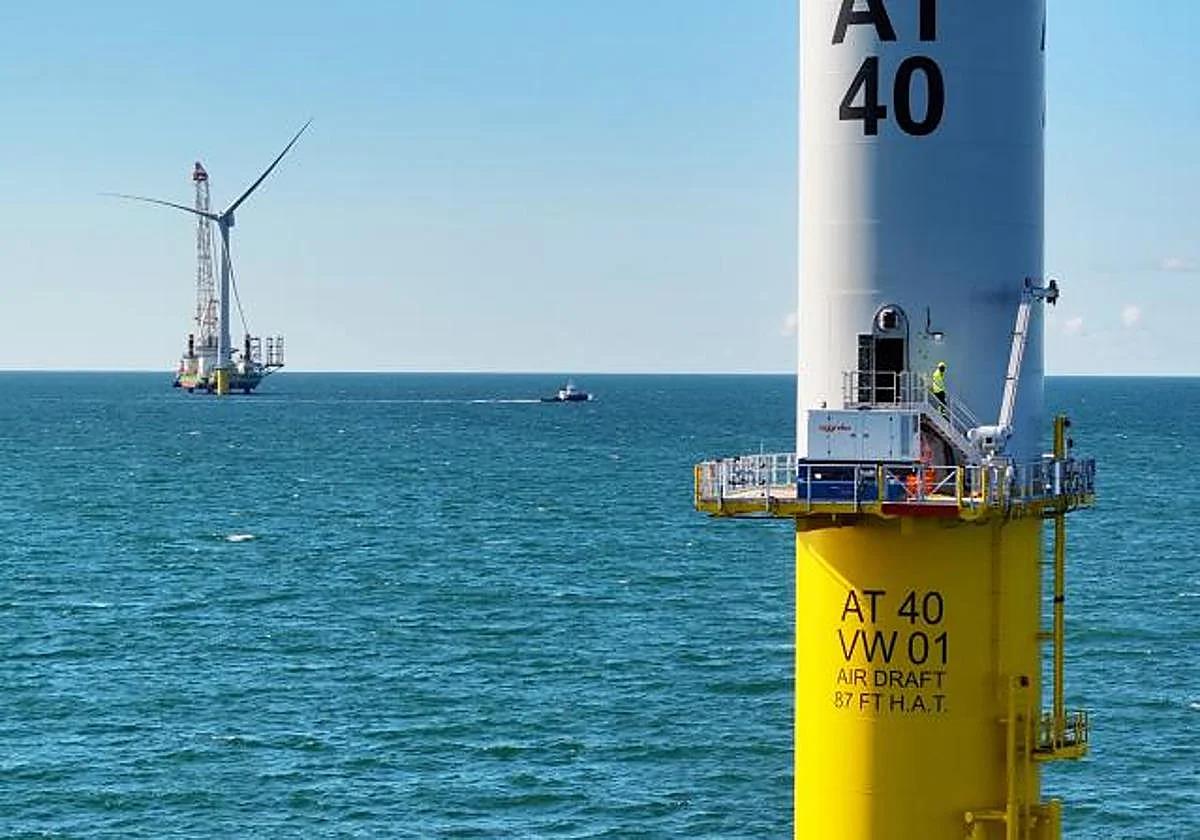
There has been a major setback for Spanish energy giant Iberdrola in the United States, one of its most severe to date. The Trump administration announced on Monday that it will suspend "with immediate effect" the lease agreements for "all" large-scale offshore wind projects under construction in the United States "due to national security risks identified by the war department in recent classified reports". In other words, the US government is halting Iberdrola's Vineyard Wind I project, its largest offshore wind farm in the country with a total installed capacity of 806 MW, representing a 2.7-billion-euro investment for the company.
In addition to this wind farm, which was already operational, the order involves halting four other projects under construction, citing national security concerns. The Trump administration alleges that wind turbines interfere with signals picked up by its radars, affecting national security, and therefore demands their immediate stoppage.
Back in September, the US president attacked this technology by halting the permit process for Iberdrola's offshore wind farms in Massachusetts (New England Wind 1 and New England Wind 2). "This action addresses emerging national security risks, including the rapid evolution of relevant adversary technologies and vulnerabilities created by large-scale offshore wind projects near population centres along the East Coast. The Trump administration will always prioritise the safety and security of the American people," argued Interior Secretary Doug Burgum in a statement.
According to these reports from the US, the movement of the turbines' enormous blades and reflector towers generates "radar interference known as distortion". "These distortions obscure the targets monitored by the US government and generate false targets in the vicinity of the projects," stated Burgum.
![[]](http://static.vocstatic.com/voc26/latest/assets/images/favicon/surinenglish/apple-touch-icon-57x57.png)