
Tourism
Tourism in Spain maintains momentum in November, with almost 100 million visitors in 2025
Arrivals grew by 2.1% and spending by 5% in the penultimate month of the year, while the annual figure was close to 91.5 million tourists, an all-time record according to the national institute of statistics
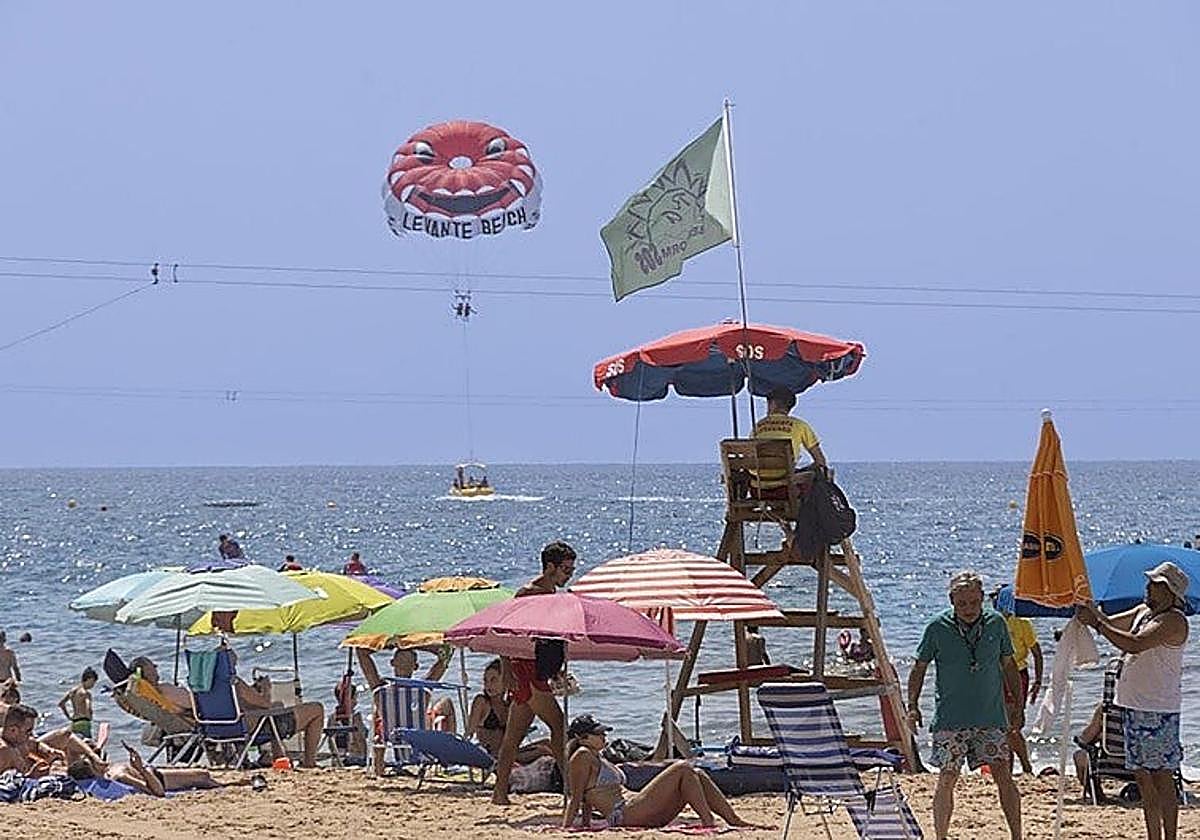

Spain is accelerating towards a new tourism record. With December data still to be announced, the country reached 91.5 million international tourists by November - the highest figure in the entire historical series - after adding another 5.8 million in the penultimate month of 2025. The year-on-year growth was 3.4% year-on-year, according to official Frontur data from the national institute of statistics.
At the same time, spending is growing at a much faster rate than arrivals, confirming that the sector is not only holding up in a more demanding economic context, but also consolidating its role as an engine of growth. Despite the good results, the cumulative figure between January and November is still just short of the historic target of 100 million international visitors. To have reached this record, December has to have doubled the 5.2 million visitors who came to Spain in December 2024.
By country, the UK remained the main source market, with just over one million tourists and an increase of 4.7%. Germany also showed a positive growth (+2.7%), while France recorded a decrease of 7.4%, dropping to 695,770 visitors. By destination, the Canary Islands led in terms of tourist arrivals in November, accounting for 25.3% of the total, followed by Catalonia (22.0%) and Andalucía (14.3%), with significant growth in the latter (+6.3%).
188 euros average daily expenditure
The rise in arrivals was accompanied by an even greater increase in tourist spending. According to the Egatur survey, total expenditure by international tourists exceeded 8 billion euros in November, 5% more than a year earlier. Average expenditure per tourist stood at 1,399 euros (+2.9%), while average daily expenditure grew by 5.4% to 188 euros, which consolidates the trend towards higher value-added tourism.
In terms of accommodation, tourists opting for market accommodation increased by 4.4%, with particularly strong growth in hotel accommodation (+6.1%), compared with a decline in rented accommodation (-1.9%) and non-market accommodation (-5.6%). In parallel, overnight stays in non-hotel establishments grew by 3.6%, driven by tourist flats (+7.9%) and campsites (+1.5%), while rural tourism showed a decline of 8.3%.
![[]](http://static.vocstatic.com/voc26/latest/assets/images/favicon/surinenglish/apple-touch-icon-57x57.png)