
Health
Warning from A&E doctor: 'Some very common drugs can increase risk of heatstroke'
The head of the emergency department at Hospital Quirónsalud Marbella has also offered some basic preventative measures to help the body cope better with the high summer temperatures
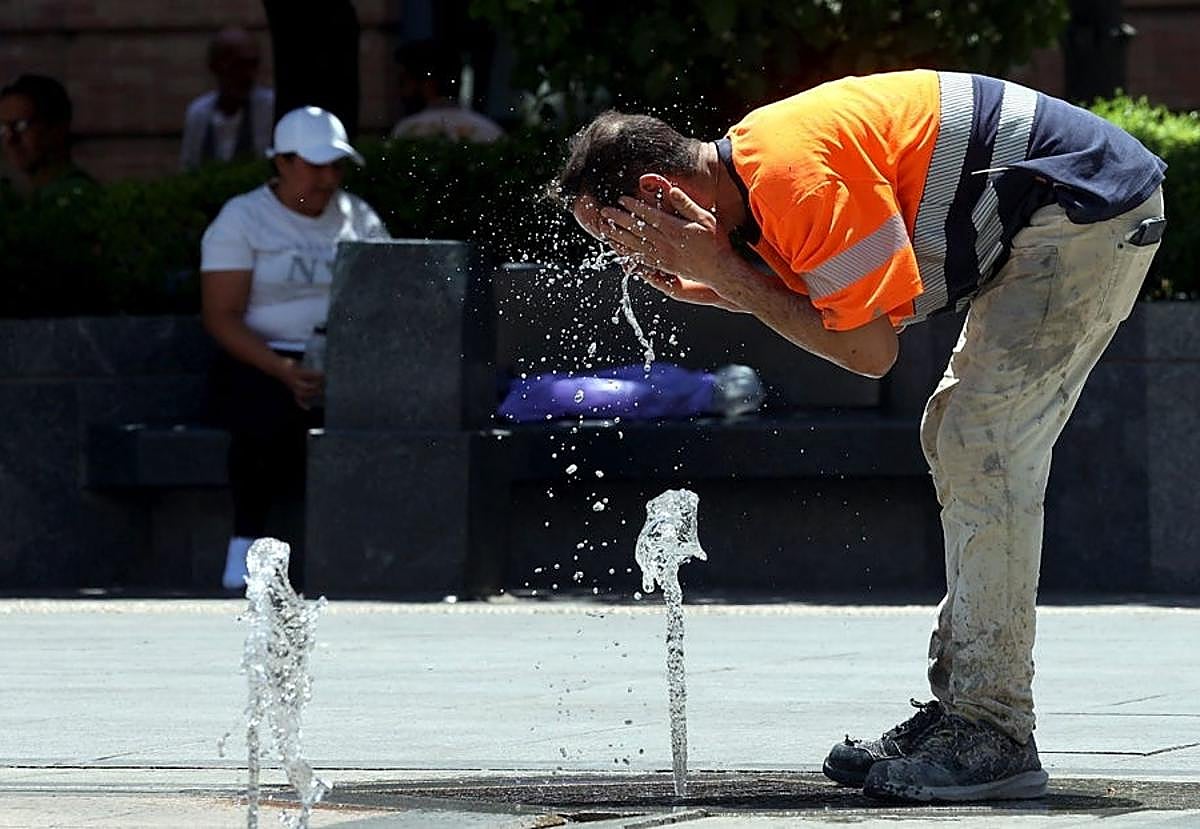
Europa Press
Malaga
A heatstroke implies much more than dizziness or a drop in blood pressure. Since the start of the second heatwave of the summer, which is expected to last until Sunday, there has been a spike in symptoms associated with the high temperatures that go beyond physical exhaustion.
Doctors specifically warn those who take medication that affects the thermal response. Experts from Hospital Quirónsalud Marbella say that some medicines can increase the risk of heatstrokes without the patient being aware of it. According to them, the drugs in question are very common: "diuretics and beta-blockers (for blood pressure), tricyclic antidepressants, benzodiazepines or drugs with anticholinergic effects". All of them can alter the body's ability to dissipate heat, which means that those taking them need to be extra vigilant and careful during this period of record temperatures.
"When the body temperature exceeds 40C, not only the organs but also judgement starts to fail," said Dr Esther Hurtado, head of the accident and emergency department at Hospital Quirónsalud Marbella.
During the last few weeks, the hospital team has treated ten people with symptoms compatible with a heatstroke. Although none of the cases has been fatal, they required urgent treatment for advanced conditions affecting both the circulatory system and the nervous system. The initial symptoms are increased body temperature, profuse sweating, tachycardia, hypotension, fatigue, weakness, muscle cramps, dizziness, headache, nausea and cold skin.
When the temperature reaches 40C and the heatstroke sets in, other symptoms of generalised heatstroke begin to appear, such as vomiting, confusion, agitation, delirium, bizarre behaviour, incoherent speech, convulsions or loss of consciousness. "Later, signs of multi-organ damage appear, such as renal failure, liver failure or respiratory dysfunction," says Dr Hurtado.
Although the term 'heatstroke' is associated with direct sun exposure, the real cause "is the body's inability to dissipate excess internal temperature, especially when it is above 30C and humidity, intense exercise or poorly ventilated environments are present," she adds.
"The body can regulate body temperature well up to 30C. After that, if other factors are added, this self-regulation fails," the doctor says. The result is not only a rise in temperature, "but an alteration of the brain's thermoregulatory system, which can lead to incoherent behaviour and disorientation". This makes it a particularly dangerous condition for older people, chronically ill patients or people with cognitive impairment.
Dr Hurtado recommends basic preventative measures, such as avoiding sun exposure between 11am and 5pm; drinking at least two litres of water a day, even if you are not thirsty; avoiding alcohol, caffeine and sugary drinks; wearing light clothing, sun protection, a hat and sunglasses; adapting the working day in the case of outdoor work; and, of course, keeping an eye on the elderly and people with chronic illnesses or those who live alone.
When there is suspicion of a heatstroke, the priority is to act quickly, "notify the emergency services by calling 061 or 112, remove the person from the heat, take them to a ventilated place in the shade, undress them, apply cold cloths or wet compresses to the neck, armpits and groin and offer them cold water, provided the person is conscious and not showing signs of altered awareness".
Heatstrokes can be silent, progressive and sometimes imperceptible to the person having one. For this reason, Dr Hurtado insists that "prevention is not only a question of hydration, but also of care and support".
![[]](http://static.vocstatic.com/voc26/latest/assets/images/favicon/surinenglish/apple-touch-icon-57x57.png)