
Law
Spain's Supreme Court bans banks from charging both interest and fees on same overdraft
The court states that banks can only legitimately charge fees for services that are real, necessary and distinct
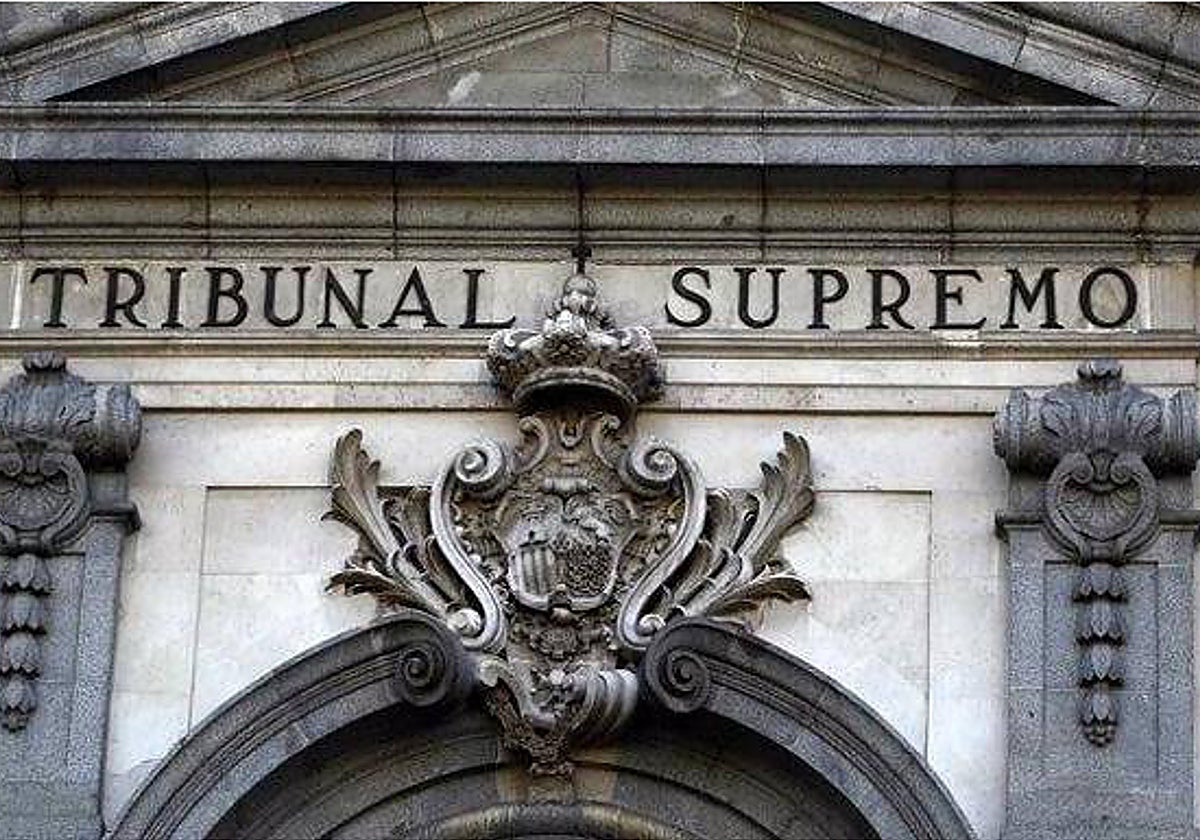

Spain's Supreme Court has banned double penalisation, which means that banks can no longer charge interest for late payment plus fees on the same overdraft. According to the ruling, signed on 17 December 2025, such charges will be legitimate only when they are related to services that are "real, necessary and distinct", i.e. a single banking service cannot be charged for twice.
In this specific case, the court extended its ruling to non-consumer clients - to a commercial company, to be precise. The judges upheld a company's appeal against Banco Santander, which applied two penalties for the same overdrafts: a 4.5% fee for an overdraft plus late payment interest of 29% for the same debit.
The ruling stated that the ban on double taxation does not derive exclusively from consumer protection legislation, but from general principles of contract and banking law. The magistrates underlined that banks cannot use the client's business status to justify practices that entail an overlapping of costs for the same economic practice.
The resolution recalled ruling 431/2020 of 15 July, in which in order for entities to be able to charge fees to their customers, two requirements must be met: the fee must correspond to a real service provided to the client and the costs of providing that service must have actually been incurred. "Under these two premises, banks may not charge for services that have not been requested or accepted by customers, who must have been personally informed in advance of the amount they will have to pay for the service".
![[]](http://static.vocstatic.com/voc26/latest/assets/images/favicon/surinenglish/apple-touch-icon-57x57.png)