
Economy
Spain economy: Iran war threatens to push inflation above three per cent
A report by think tank Funcas warns that energy shocks could disrupt the summer outlook, though diversification may prevent a repeat of 2022
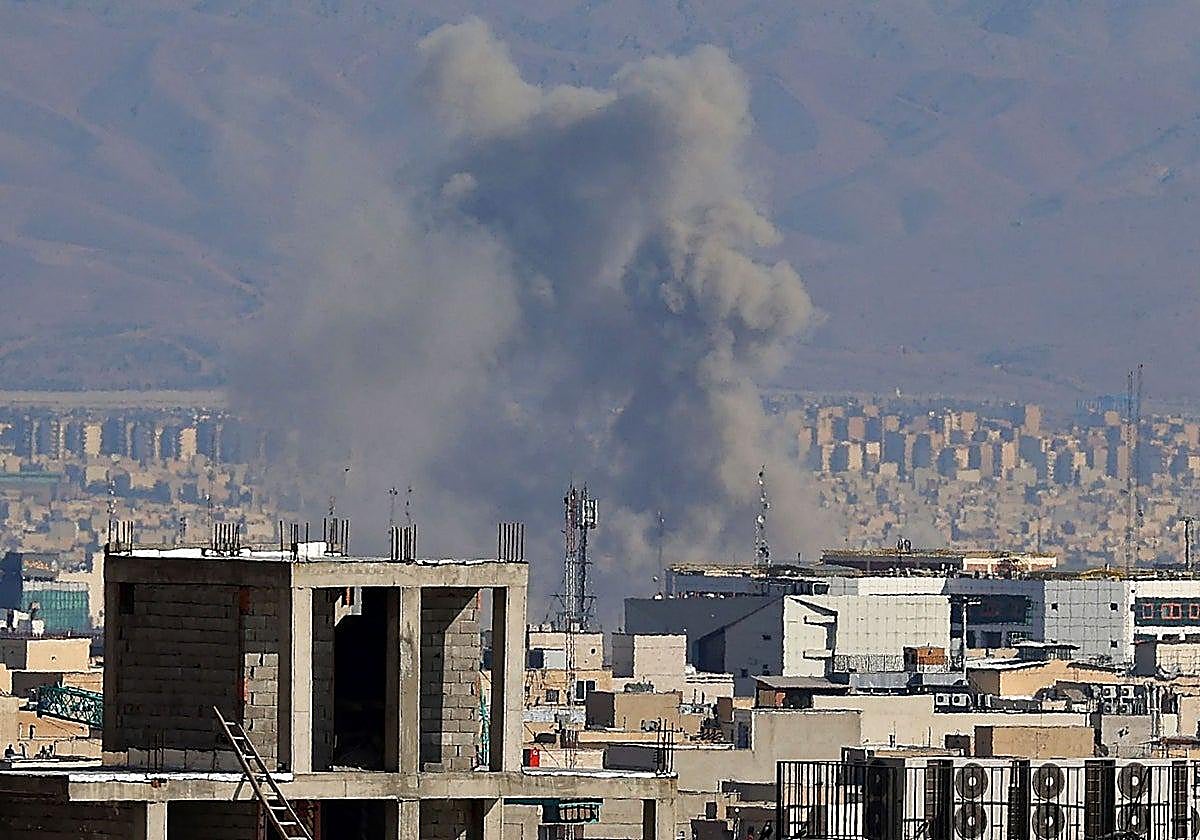

The recent attacks by the US and Israel on Iran and the almost total closure of the Strait of Hormuz have generated strong concerns in the international energy and stock markets.
The practical closure of the sea route, through which nearly 20 per cent of the world's hydrocarbon trade passes, has already caused oil, gas and fertilisers to rise sharply in price, although the markets are not reacting as strongly as they did after Russia's invasion of Ukraine in 2022.
Projected impact on inflation
-
- Short-term spike: Funcas estimates that if oil and gas prices remain at current levels, Spain’s inflation could rise slightly above 3% between now and the summer of 2026.
-
- Secondary effects: A 10% increase in crude oil typically adds 0.1% to the CPI. Higher energy costs are expected to raise household electricity bills and the production costs of groceries, potentially dampening private consumption.
-
- Year-end outlook: Provided the conflict does not exceed three months, inflation is projected to stabilise at approximately 2.5% by the end of the year.
At that time, the price of a barrel of Brent crude oil exceeded 180 dollars and gas on the Iberian market (Mibgas) reached 200 euros per megawatt hour, much higher than today's levels.
Impact on the Spain's CPI
According to a report by Spanish think tank Funcas, ten per cent increase in crude oil adds about 0.1 per cent to the CPI, while a similar increase in natural gas raises inflation by the same magnitude via household bills and electricity bills.
Assuming that oil and gas prices remain at current levels over the coming months, the report estimates that Spain's CPI could be slightly above three per cent between now and the summer, before stabilising at around 2.5 per cent by the end of the year.
Higher energy prices will have a direct impact on groceries and production costs. This could dampen private consumption, affect exports and slow down investment.
Experts believe that the impact will be weaker than at the start of the war in Ukraine in 2022
The tourism sector could experience mixed consequences: more expensive travel and inflation would reduce visitors' spending power, but Spain could benefit from the displacement of tourists from other destinations near the Middle East.
However, the Funcas report highlights that the impact should not be as damaging as that of the start of the war in Ukraine in 2022, thanks to the diversification of gas suppliers. Algeria covers 34.6 per cent of Spanish imports, followed by the US with 30 per cent, reducing dependence on the Persian Gulf.
Finally, Funcas warns that the magnitude of the impact depends critically on the duration and severity of the conflict. The central hypothesis paints a conflict of no more than three months, which stored hydrocarbon reserves and available production capacity in other countries could cover.
However, if the conflict were to drag on or significantly damage strategic infrastructure, the impact on prices and the economy would be considerably more negative.
![[]](http://static.vocstatic.com/voc26/latest/assets/images/favicon/surinenglish/apple-touch-icon-57x57.png)