
Road safety
DGT increases surveillance campaign on the roads of Spain this summer: which motoring fines are the most common?
The national Directorate-General for Traffic authority insists that the true objective of issuing 'multas' is not revenue collection, but accident prevention

Madrid
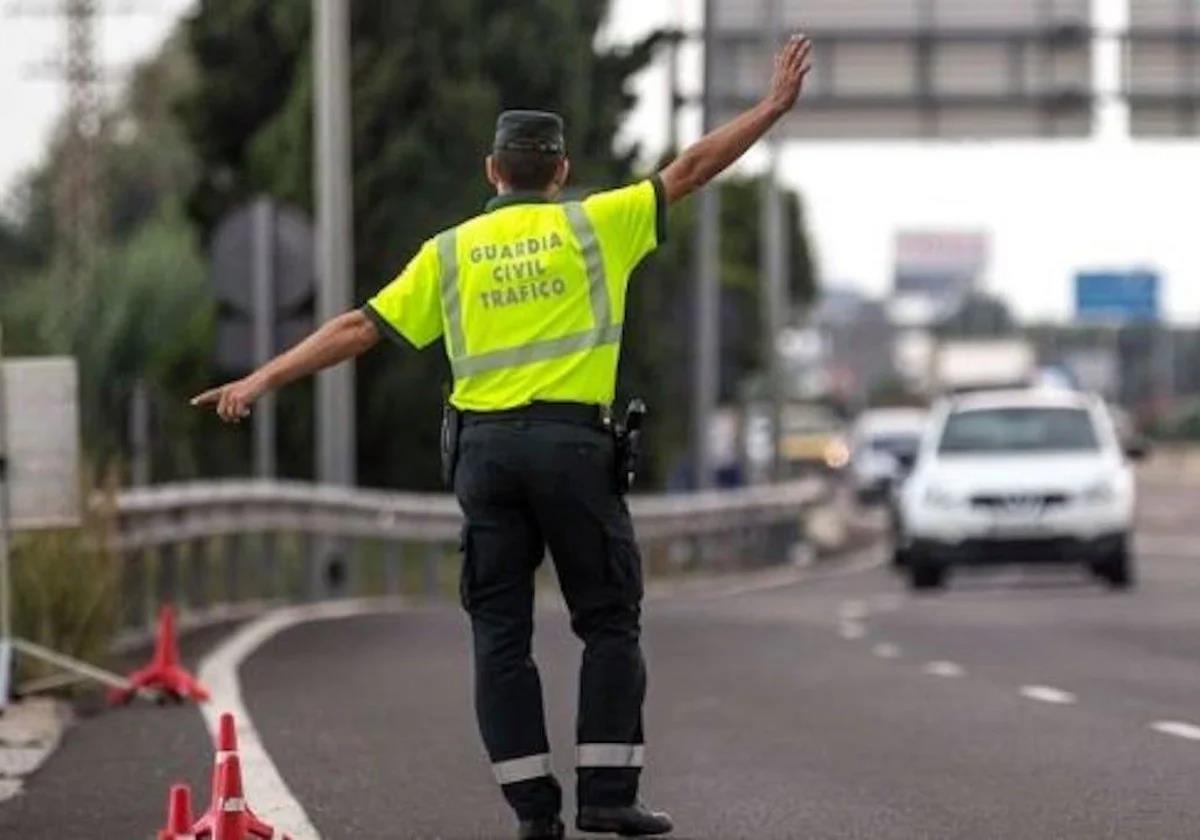
During this peak summer season, with the increase in travel and the relaxation associated with the holiday period, Spain's Directorate-Deneral for Traffic (DGT, or Tráfico) intensifies surveillance to ensure road safety. This means that fines for common traffic violations may be more frequent. According to the DGT, the main objective of having these regulations is always to guarantee road safety.
Speeding, or driving at an inappropriate speed for the type of road, remains one of the most common offences. Penalties range from 100 euros with no points deducted off the licence to a fine of 600 euros and the loss of six points in the most serious cases.
The DGT also highlights the increasingly frequent use of mobile phones while driving. In this case, driving while holding a mobile phone (even when not using it), fiddling with the GPS, or any other distraction at the wheel (eating, applying make-up and more) is one of the main causes of road traffic accidents.
The fine for using a mobile phone while holding it is 200 euros and carries a 6-point penalty. Messing with a GPS while driving carries a penalty of 200 euros and three points off your licence.
The next most common traffic violation is the failure to use seatbelts (by both the driver and any passengers), as well as not having appropriate child-restraints. This is particularly common in summer, especially once people have arrived at their holiday destination, so only short journeys are being made and thus the need to use these mandatory safety systems gets downplayed. It is also common to drive without fastening the seatbelt or only to do so once the vehicle has set off. The penalty, however short the journey, is 200 euros and four points off the driver's licence if the driver or the passengers have not correctly fastened their seatbelts.
It should also be noted that the DGT intensifies breathalyser testing in the summertime. Fines for driving under the influence of alcohol range from 500 euros and four points for breath alcohol levels between 0.25 and 0.50 mg/l to 1,000 euros and six points for repeat offenders or those with alcohol levels above 0.50 mg/l. Exceeding 0.60 mg/l of alcohol is considered a criminal offence and can lead to a prison sentence.
Throwing objects onto the road is particularly dangerous in summer due to the wildfire risk from the likes of discarded cigarette butts. The fine is 200 euros and four points deducted. Driving with an expired ITV (Spanish vehicle inspection) or without insurance means fines of 200 to 500 euros and up to 3,000 euros if no compulsory car insurance.
Truths and falsehoods
With the onset of summer and the resulting increase in road travel, rumours about «specific» fines for the summer season tend to proliferate, so let's dispel a few fallacies.
The main source of confusion centres on everyday activities and items of clothing that, although not explicitly prohibited in Spain's general road traffic regulations (the 'highway code'), may be grounds for a fine if a police officer believes they directly affect road safety or vehicle control.
So, not everything we hear or see on social media is necessarily true. What's more, a large number of the most common summertime traffic offences being put about online are nothing more than hoaxes, even if there may be some justification behind them.
-
1
Fine for driving in flip-flops or barefoot
This is one of the most common hoaxes, according to which drivers are directly penalised for wearing flip-flops or going barefoot.
The reality is that there is no article of law specifically prohibiting such footwear or the absence of footwear. However, Article 18.1 of the general road traffic regulations obliges the driver to maintain their «freedom of movement, the necessary field of vision and constant attention to driving.» If an officer determines that footwear (or lack thereof) impedes proper pedal control, the fine could be 80 euros. The same logic applies to driving in high heels or any footwear that restricts mobility.
-
2
Fine for driving shirtless or in a bikini/swimsuit
Another common belief is that we can be fined for not wearing a top while driving.
The truth is that there is no explicit prohibition. The fine, which can range from 80 to 200 euros, would apply under the same Article 18.1 if the garment (or lack thereof) affects safety - for example, if it prevents the seatbelt from being properly fastened or causes a distraction due to discomfort or friction.
-
3
Fine for eating or drinking at the wheel
This belief is not exclusive to summer. During any time of the year when «Operation Exit» occurs (increased traffic for holidays, major festivals), it is common to hear that it is illegal to eat a snack or drink water while driving. Again, there are a number of nuances to take into account.
Therefore, while there is no specific fine for these actions, if the driver is distracted while eating or drinking, handles objects or lets go of the steering wheel, they can be penalised for loss of attention to driving, again under Article 18.1. The fine can rise to 100 euros if interpreted as minor inattention.
-
4
Fine for sticking your arm or elbow out the window
Travelling with the windows down to allow air to circulate is becoming less common, thanks to modern cars having much more efficient air-conditioning and climate control systems. However, we can still have the habit of opening a window to stick our arm or elbow out of the car, resulting in a direct fine for this action.
Once again, this is a similar situation to the previous ones, as Spain's 'highway code' does not include a direct sanction. However, if this action is judged as restricting the driver's freedom of movement or control of the vehicle, or if it represents recklessness that puts the driver at risk, then, if we are stopped by a police officer and fined, the fine could be 80 euros.
-
5
Fine for having the air-conditioning turned down too low
Once again, the air-conditioning inside the vehicle is a source of falsehoods and misconceptions. In this case, the story goes that we can be fined for having too cold a temperature inside the car.
This is an out-and-out hoax, fake news. There are no regulations governing the temperature inside a passenger vehicle. The driver can adjust the air-conditioning to their liking without fear of facing any kind of penalty.
-
6
Fine for hanging objects from the rear-view mirror that impede visibility
Air fresheners and decorative objects hanging from the interior rear-view mirror are becoming increasingly more common. Some garages even give them away for free as promotional items after any repair or inspection work has been done. The general belief is that it is an exaggeration to believe this type of action is punishable by law and that we cannot be fined for having a simple air freshener in our car.
However, this is a real traffic offence. Any object (large air fresheners, CDs, rosaries and so on) that reduces the driver's field of vision can be grounds for a sanction. Article 19.1 of the general road traffic regulations explicitly prohibits items that obstruct visibility.
The fine can be up to 200 euros.
The DGT insists that the true objective of issuing fines is not revenue collection, but accident prevention. Road safety depends fundamentally on drivers maintaining full control of their vehicle, avoiding distractions and maintaining optimal visibility at all times. Tráfico also recommends to always plan your trips, get enough rest, avoid distractions while driving and do not consume alcohol or drugs.
![[]](http://static.vocstatic.com/voc26/latest/assets/images/favicon/surinenglish/apple-touch-icon-57x57.png)