
Beaches
The bare facts about why naturism is on the decline on many beaches in Spain
Despite being legal in many places, changes in customs and the wide use of mobile phones have led to fewer nudists baring all on the country's beaches
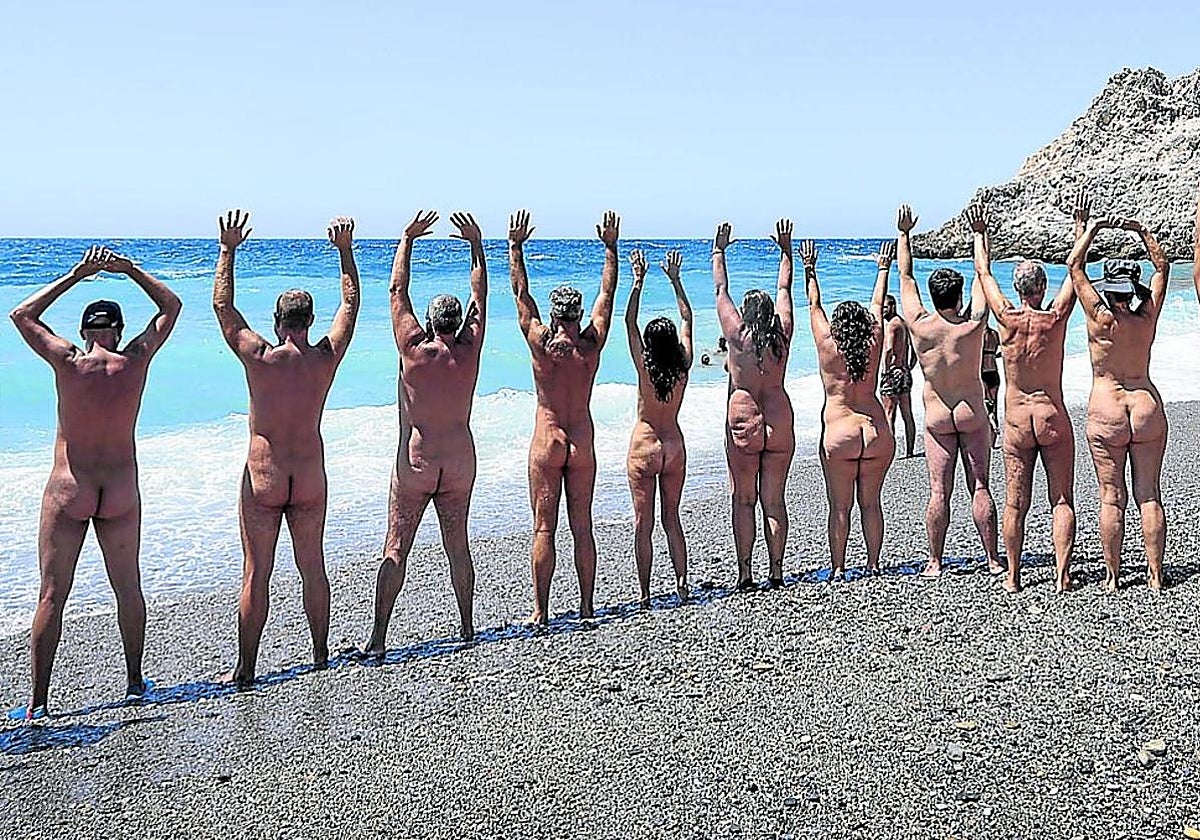

Despite Formentera's tiny size - 19 kilometres separate the port of La Savina from the top of Pilar de la Mol - the smallest of the Pitiusas islands in Spain's Balearics - the number of tourists continues to increase. It is receiving more and more visitors, especially Italians while it has experienced a slight decrease in Germans. The opening of restaurants, hotels and luxury brand shops (Gucci, Celine, Versace, Loewe...) is soaring.
Fortunately, the island maintains the turquoise colour of its waters, despite the fact that the impressive and numerous yachts continue to approach the sandy beaches, with the risk of destroying the oceanic posidonia meadows, important seagrass ecosystems in the Mediterranean Sea which help generate its deep blue colour.
The only thing that is going down in numbers is the number of naturists. Despite being a legal practice, naturism is on the decline on almost all the beaches, especially in the most photographed ones, with Ses Illetes leading the way, the picture-postcard beach where selfies, posing and swimming costumes are the order of the day.
The 'undressed' Formentera has given way to a Formentera that covers itself more than ever. Changes in customs, the increase in mobile phones and the fear of losing privacy, as well as Italian colonisation, have transformed the landscape. "The Germans used to settle in the Migjorn area. They were not so much used to going to Illetes, which has always been more of a place to pose. They moved around the island on bicycles and spent the whole day on the beach in the nude. They would take off their clothes, swim and at the end of the day, they would leave in their shorts", explained Mónica López and her husband, Pepe Torres Ferrer.
With stiletto heels
Little is left of that Formentera. The free-spirited island has given way to a more demure and glamorous one. Of course, there are still stretches of coastline, in Migjorn, Platja de Llevant, Sa Roqueta. Es Caló and Espalmador, where some still sunbathe naked, but there are not many.
"A lot of Italians come here and much younger. They start coming in May. The girls arrive already tanned and flood the ferry from Ibiza. They bring suitcases and go to the beach in high heels... stilettos! Stilettos! They love showing off on Instagram, but going naked? Not at all! The type of tourism has definitely changed, largely because of them," they say. Fewer women go topless nowadays too
"They've made everything more expensive since they came here because they've taken over almost all the businesses on the island," explains Mónica, who was born in neighbouring Menorca but has lived on Formentera for 28 years. "When I arrived it was very different, everything was allowed. A lot of the idiosyncrasy and essence of the island has been lost," she complains.
Naturism is the same in the rest of the Balearic Islands and also on the Costa Brava. A secluded beach in a peaceful setting, where the only material was towels on the sand. This is how the residents of Cala Illa Roja, in Begur (Girona), one of the most traditional naturist spots in Catalonia, remember the scene. Now the locals say that it is flooded with swimming costumes and bikinis every summer. Naturists have become "almost an endangered species", according to Segimon Rovira, president of the Club Català de Naturisme (CNN).
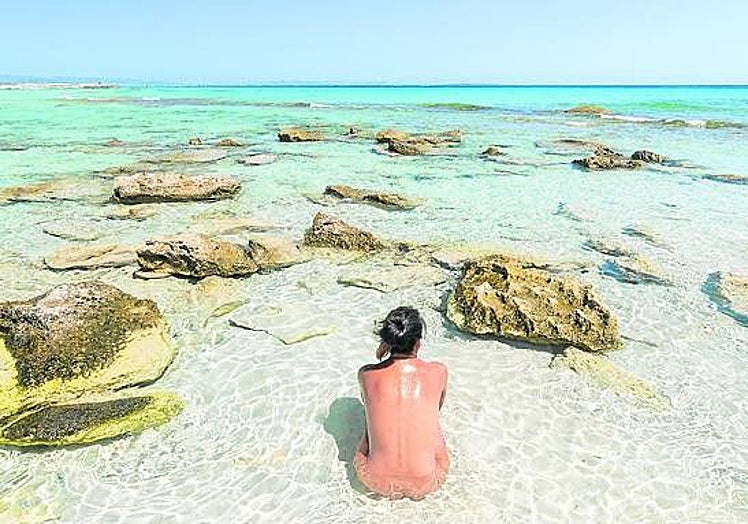
The overcrowded beaches, the lack of protection of these spaces and the lack of adequate signposting have meant that users have fewer places to practise "naturism in a safe and peaceful way. More and more people are coming with swimming costumes and taking photos, and that makes us uncomfortable," he protests. Why? "There is a lack of space. People who go to the beach dressed can enter the nudist areas and it's ok, but although we don't want to bother them, we can be harassed", he complains. The result? Naturist beaches in Catalonia "are disappearing", he confirms.
Difficulties
"Aesthetic" pressure
It is striking that naturists are, for the most part, people of "a certain age" who are not worried about prejudices. It's not young people who are concerned about the "aesthetic pressure and insecurity of their bodies", as well as the increasing sexualisation of nudity. "They fear harassment and that images of themselves taken without their consent might end up circulating on the internet," says anthropologist Livia Motterle.
There are other factors that explain the decline of this practice: the reluctance of many municipalities to promote naturist tourism, if not to ban it outright, as in the case of Platja d'Aro town council. He justifies the ban on nudism on his beach on the grounds that "it is a place with a family tradition". Rovira insists that municipal by-laws should promote naturist tourism "with high purchasing power" and encourage "civic-mindedness" to achieve "inclusive beaches" where everyone can sunbathe and respect each other.
He believes that regulations of this nature are necessary to counteract the impact of decisions such as that of the Mallorcan town hall of Ses Salines, which three years ago banned naturism by equating it with sexual relations and fined up to 750 euros. The mayor rectified his decision a few days later and limited this regulation "to urban beaches and not virgin sandbanks".
![[]](http://static.vocstatic.com/voc26/latest/assets/images/favicon/surinenglish/apple-touch-icon-57x57.png)