
Health
Spain approaches the target of having 50% of babies aged 0-6 months being breastfed
Some 47% of mothers in the country already comply with this practice, which is recommended by the WHO and Unicef for being highly beneficial for both the health and development of the child

Madrid
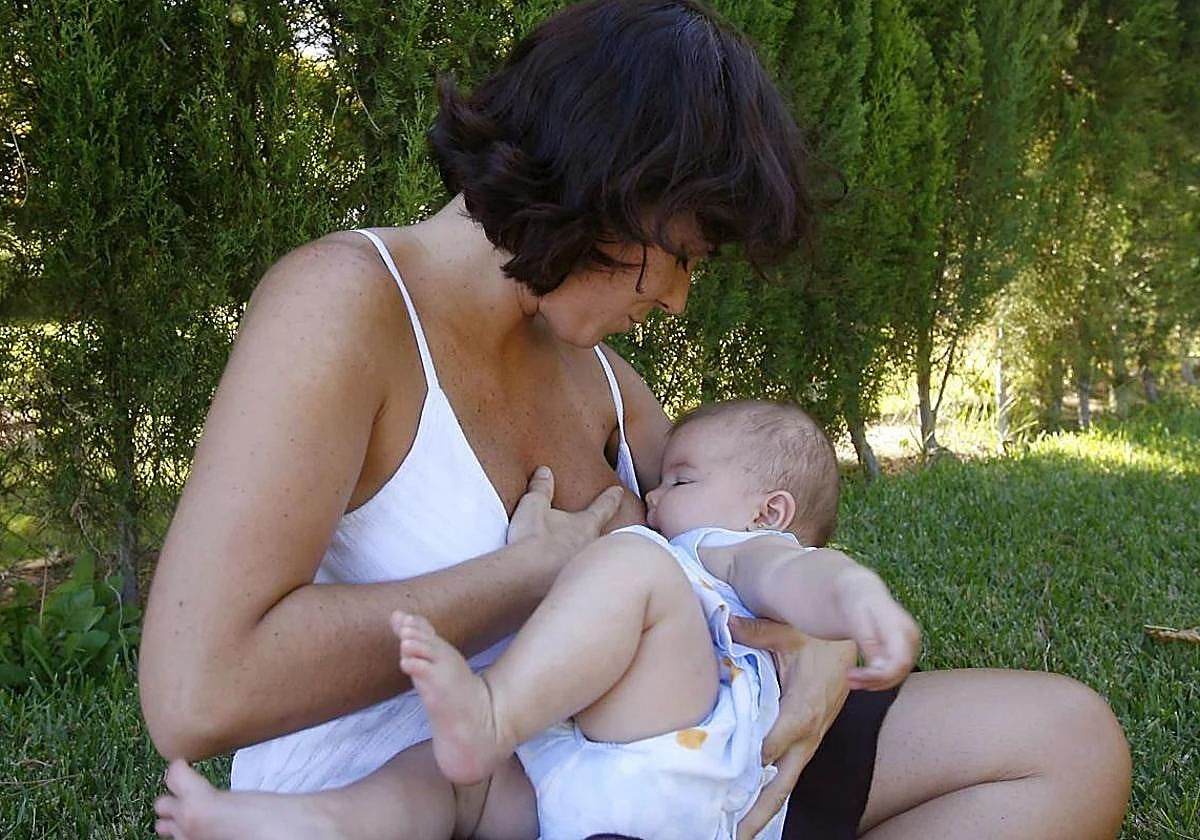
Spain is already close to the World Health Organization (WHO) target that at least half of the country's babies should be breastfed for the first six months of life, according to survey data provided by the Spanish government's health ministry and Spain's INE national statistics institute.
The latest official data, drawn from the annual health survey of Spain's population, indicates that, at the beginning of 2024, 47% of Spanish women were already exclusively breastfeeding their newborns, doing so for at least the first six months. This is the highest figure achieved since records began logging this practice and represents a 20% increase in mothers doing so compared to 2017, when the prevalence rate was 39%, and 65% more than just 12 years earlier in 2011, when the rate of babies being breastfed for six months was under 29%.
So, mothers of newborns in Spain are very close to reaching the WHO target of breastfeeding for the first six months of life, but they also have very high rates for exclusively breastfeeding overall. According to the same survey, 75% of women in Spain exclusively breastfeed during the first six weeks of life. Then, more than two-thirds of those who have given birth (65.7%) continue to do so for the first three months.
The significant leap in the last six years has coincided with the huge increase in the possibilities for organising work-life balance that, in turn, allowed for the increase in paternity leave from the 28 days men had back in 2017 to the 16 weeks they received in 2021 and thereafter.
The Spanish government believes that the nation will soon reach the WHO target, thanks to new policies that protect families' labour rights and facilitate parenting, such as the Royal Decree-Law 9/2025, approved a week ago. This statute extends maternity and childcare leave to 19 weeks for each parent, of which two can be taken until the child reaches the age of eight, and it extends leave for single-parent families to 32 weeks.
The WHO and Unicef, according to Spain's health ministry, recognise breastfeeding as a key investment in children's health, development and equity. According to both UN agencies, breastfeeding reduces healthcare costs, stimulates children's cognitive development, boosts economies and lays the foundations for healthy growth. It also has a positive environmental impact by reducing the carbon footprint associated with the production and distribution of breastmilk substitutes. In fact, this year's WHO campaign, entitled 'Healthy beginnings, hopeful futures' (launched in April), emphasises the ongoing support that healthcare systems must provide to mothers and babies, highlighting the direct link between breastfeeding, the environment and climate action.
Working group for improvements
With the goal of continuing to improve breastfeeding care, the health ministry in Madrid has set up a working group with the participation of each autonomous region and the two central government ministries of equality and social rights. This group also includes the Spanish non-profit association known as IHAN, set up to action the WHO and Unicef initiative to humanise childbirth and breastfeeding care across all health centres in Spain. The ministry of health has signed an agreement with IHAN worth 200,000 euros.
Breastfeeding also cuts across parts of various national strategies, including the ones on sexual and reproductive health, normal childbirth care, public health and health promotion. More specifically, the national strategic plan to reduce childhood obesity also includes various actions aimed at addressing the social and structural determinants that affect breastfeeding.
![[]](http://static.vocstatic.com/voc26/latest/assets/images/favicon/surinenglish/apple-touch-icon-57x57.png)