
Solidarity
Spain announces urgent dispatch of humanitarian aid to Gaza by air
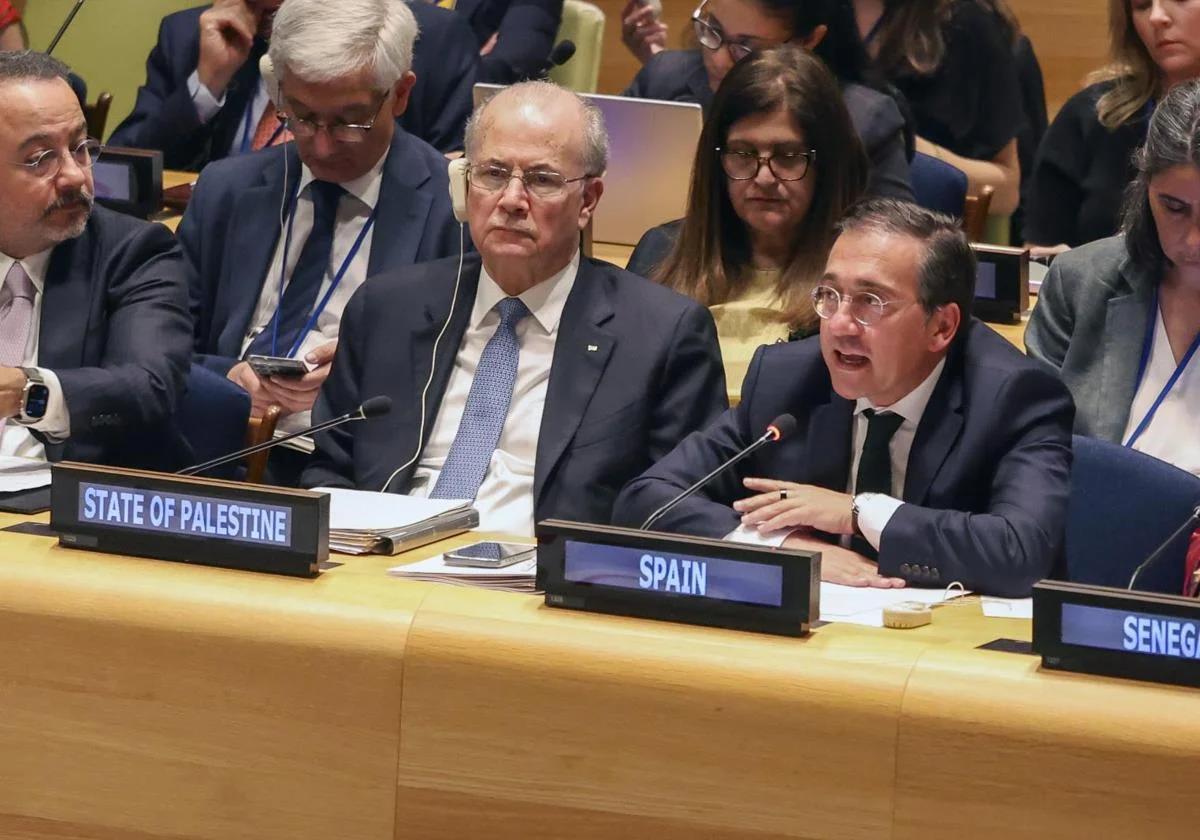
The Spanish foreign minister José Manuel Albares, speaking at a UN meeting in New York, described the crisis in Palestine as "a disgrace for Israel and for humanity"

New York
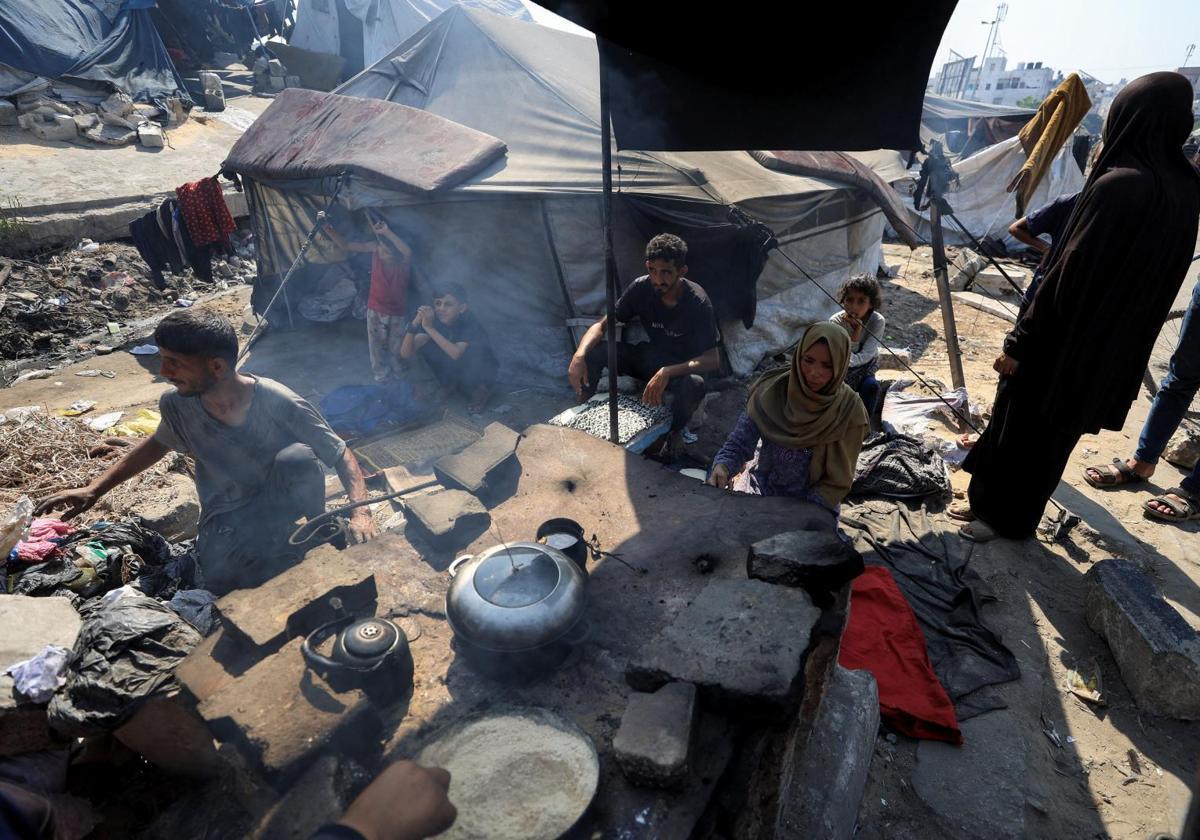
Spain has decided to take further urgent action on the "forced famine" that people in Gaza are suffering. During a UN meeting on Monday, 28 July, foreign minister José Manuel Albares described the crisis in Palestine as "a disgrace for Israel and for humanity". This will immediately translate into the delivery of 5,500 food rations, which will be dropped from the air with the help of the Ministry of Defence.
Albares acknowledged that this aid is just "a drop in the ocean", considering that, at the moment, more than 100,000 children - 40,000 of them infants - are at risk of starvation. "We cannot allow this," he said. The aid has been prepared by the Spanish agency for international development cooperation (AECID) and is ready to leave as soon as the Ministry of Defence organises air transport.
Aid in trucks from Spain is already waiting at Gaza's borders. Since the beginning of the conflict, the government has tripled the aid. Its demand is that Israel allow "free, permanent and uninterrupted" passage by land, in addition to allowing humanitarian workers, doctors, health workers and journalists, many of whom have died in record numbers, to work freely.
'Words are no longer enough'
Albares's announcement was only the prelude to the strong message later delivered at the High-level International Conference on the Peaceful Resolution of the Question of Palestine, in which he called on the international community to abandon empty rhetoric and take action. "Words are no longer enough," he warned. "Today is no longer about discussing the two-state solution, but about its implementation."
Spain defends a vision of a Palestinian state with political unity between Gaza and the West Bank, territorial continuity, access to the sea with a port in Gaza and a capital in East Jerusalem. The deadline for this to be implemented, according to the foreign minister, is between 12 and 15 months. "What we cannot allow - and it is clear that there are many of us who think this way - is for the State of Israel to have a kind of veto right over peace in the Middle East, a veto right over the existence or not of the Palestinian state, or worse still, a macabre veto right over the life or death of 100,000 Palestinian children."
![[]](http://static.vocstatic.com/voc26/latest/assets/images/favicon/surinenglish/apple-touch-icon-57x57.png)