
Politics
Spain and the UK publish landmark post-Brexit Gibraltar treaty
The agreed text, released on Thursday, preserves British sovereignty while removing the physical fence and expanding freedom of movement

Madrid
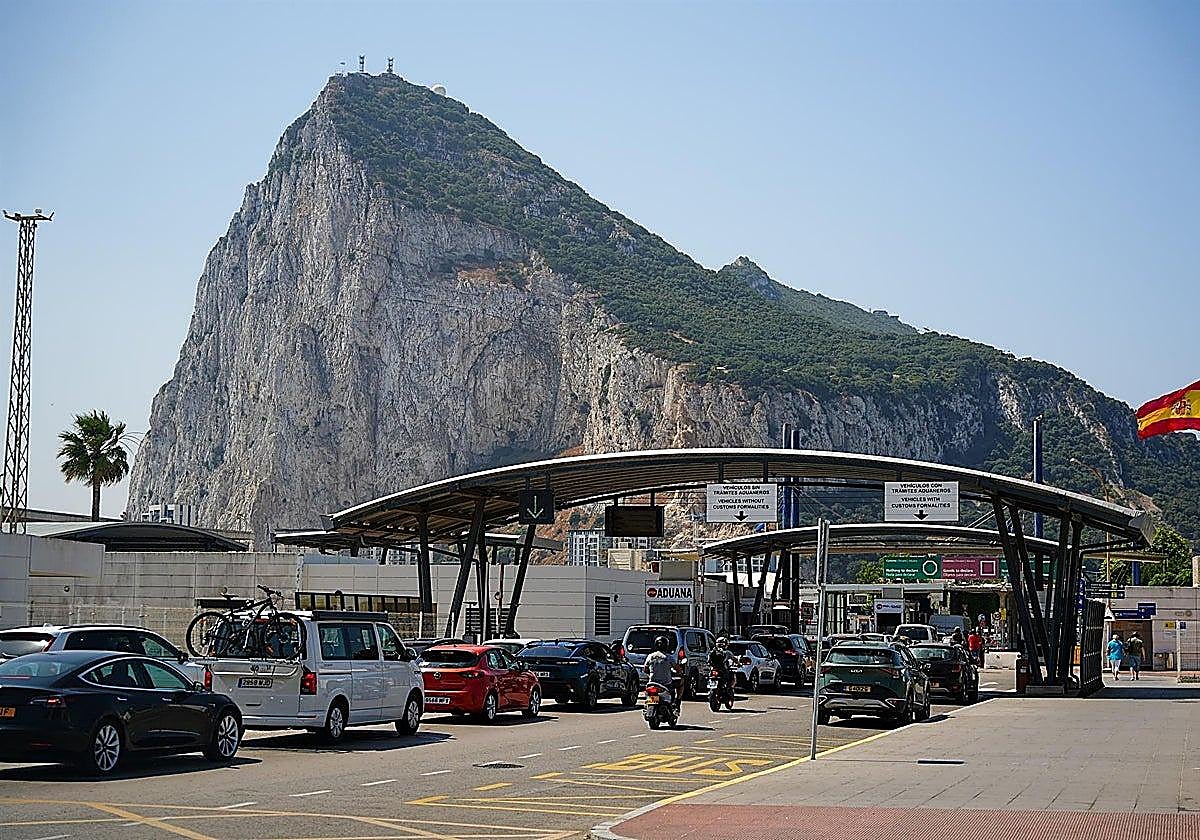
The UK and Spain (and, by extension, the EU) have published a landmark post-Brexit Gibraltar treaty that removes the physical border and gives Spain key roles, while keeping Gibraltar British.
The Spanish Foreign Ministry announced the mooted deal on 26 February. Without the physical border, it extends "the free movement of people and goods and establishes a framework for fiscal, environmental and social cooperation".
The final draft text was today (26 February) published by the UK Government, the European Commission, and the Government of Gibraltar.
The full 1,034-page text was released to allow for public and parliamentary scrutiny in Spain, Gibraltar, and the UK.
This treaty will open a new stage for the more than 300,000 Andalusians who live in Campo de Gibraltar, promoting economic opportunities, institutional stability and future prospects in a strategic territory for Spain and Europe.
Free movement
The treaty orders the removal of the last physical fence in continental Europe. It establishes the free movement of people between Campo de Gibraltar and Gibraltar, which particularly benefits the approximately 15,000 cross-border workers.
There will be no passport controls between the two territories. Spain takes over Schengen controls at Gibraltar Airport and Port. In addition, Spain now has the right to veto residence permits and their renewal.
Free movement of goods
Spain will carry out customs controls on goods entering Gibraltar and establish baggage controls for goods bound for the EU and Gibraltar, ensuring security and compliance with EU regulations.
Fiscal convergence
The agreement incorporates measures to ensure convergence in indirect taxation on goods. Gibraltar will introduce an indirect tax equivalent to IVA (Spanish tax), starting at 15 per cent upon the treaty's entry into force and completing full convergence within three years.
In addition, it establishes specific provisions on tobacco in line with European regulations. These measures aim to prevent economic distortions and strengthen fairness across the wider area.
Environment
The treaty also says that Gibraltar will follow EU environmental rules and legislation. Spain and Gibraltar will have rights to joint assessment of the environmental impact of projects, in compliance with EU standards.
Social guarantees and enforcement mechanisms
The treaty ensures balanced and fair development. It enables the creation of a financial mechanism for employment training and other social measures to compensate for income inequalities.
It aims to strengthen coordination in the field of social security and protect the rights of cross-border workers.
Spain will have a central role in the implementation of the treaty, including the initiative to suspend its application, apply safeguards or terminate the agreement. Moreover, Spain fully maintains its claim on sovereignty, as expressly stated in the text of the agreement.
A new era for Campo de Gibraltar
The agreement is a decisive step towards a shared area of prosperity, cooperation and trust, consolidating a relationship model that prioritises the well-being of residents and stability.
Minister of Foreign Affairs José Manuel Albares has sent the text of the treaty to both the lower and the upper house of the Spanish government, the mayors of Campo de Gibraltar, the regional government of Andalucía and the social and economic actors in the area. As he did in 2025, he has asked to appear in the lower house to explain the treaty.
Editor's note: The text of this article has been changed to make clear that no treaty has been signed. The text of the agreed final treaty has been published to allow for public and parliamentary consultation in the UK, Spain and Gibraltar
![[]](http://static.vocstatic.com/voc26/latest/assets/images/favicon/surinenglish/apple-touch-icon-57x57.png)