
Employment
February sees nearly 100k more jobs across Spain while unemployment's up by over 3,500
Hired and fired: the Spanish labour market is recovering after the worst January since 2012 and the number of registered workers is once again approaching 21.7 million people

Madrid
After the fiasco suffered in January, the worst month for unemployment in over a decade, Spain's job market rebounded, as usual, in February, the month that marks the beginning of the peak employment season, which usually lasts through summer. It remains to be seen whether the geopolitical instability generated by the Israeli-US attack on Iran will impact job creation or, as has been the case in previous years, it will continue to be unaffected by these events.
Social Security signed up 97,004 new affiliates in the second month of this year, a slightly lower increase than the previous two years but the third best on record since 2007. Once again, it is approaching the 21.7 million contributors mark that it first surpassed in May of last year, according to data published this Tuesday by the Ministry of Social Security.
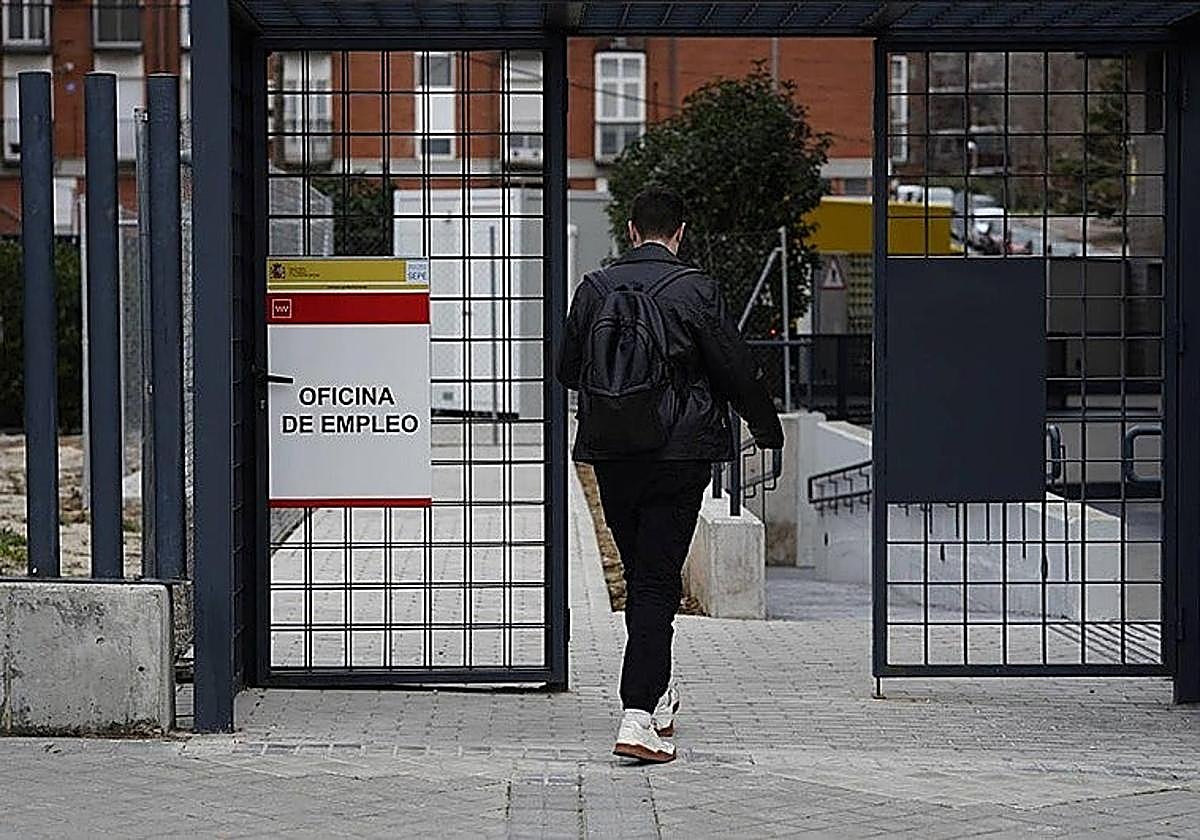
Despite this job creation, the downside to February's data comes in the form of those registered as unemployed. This figure has seen the largest increase since 2021, at the height of the pandemic, after two years of declines in February. Unemployment rose by 3,584 people to 2,442,646, the lowest level for this month since February 2008, according to ministry data. However, this figure could reach 3.35 million unemployed once we add the 909,000 seasonal workers currently not working due to it being the off-season.
The silver lining of this rise in unemployment is that, in reality, most of it is due to young people entering the labour market in search of their first job and not to job losses or layoffs. The total number of unemployed has risen to 2,442,646, the lowest level for this month since February 2008.
Nearly half a million more jobs per year
Employment in Spain is speeding up again, although it must be said that it's at a slightly slower pace than last year. The year-on-year job creation rate has fallen to 2.24 per cent, when it stood at 2.36 per cent in 2025. Nevertheless, this is still a very acceptable level, representing an additional 474,482 workers in the last year. Furthermore, Spain remains the country that has generated the most jobs in Europe in recent years.
Most sectors contributed to February's job growth, the main drivers being healthcare and social services with just over 31,000 new registrations. Hospitality followed with 23,000 jobs and construction with another 19,000. These last two sectors are now beginning to recover some of the job losses they suffered in January.
In contrast, the retail sector lost almost 14,000 jobs and there were also cuts, albeit smaller ones, in arts and entertainment and in transport and storage. This latter sector has long shown great strength and has even been doubling overall growth.
As a result, the total number of people signed up to Social Security reached 21.67 million workers, setting the stage for peak season, when hotels, shops and restaurants begin to prepare for the massive influx of tourists. Who knows, perhaps a new record could be set, surpassing the 21.9-million mark for the first time, or even reaching the milestone of exceeding 22 million contributors.
.
![[]](http://static.vocstatic.com/voc26/latest/assets/images/favicon/surinenglish/apple-touch-icon-57x57.png)