
Business
Spain's competition watchdog fines oil giant Repsol 20.5 million euros for unfair discounts
The company has said that it will appeal what it considers an "arbitrary" and "methodically flawed" ruling that bans it from bidding for public contracts
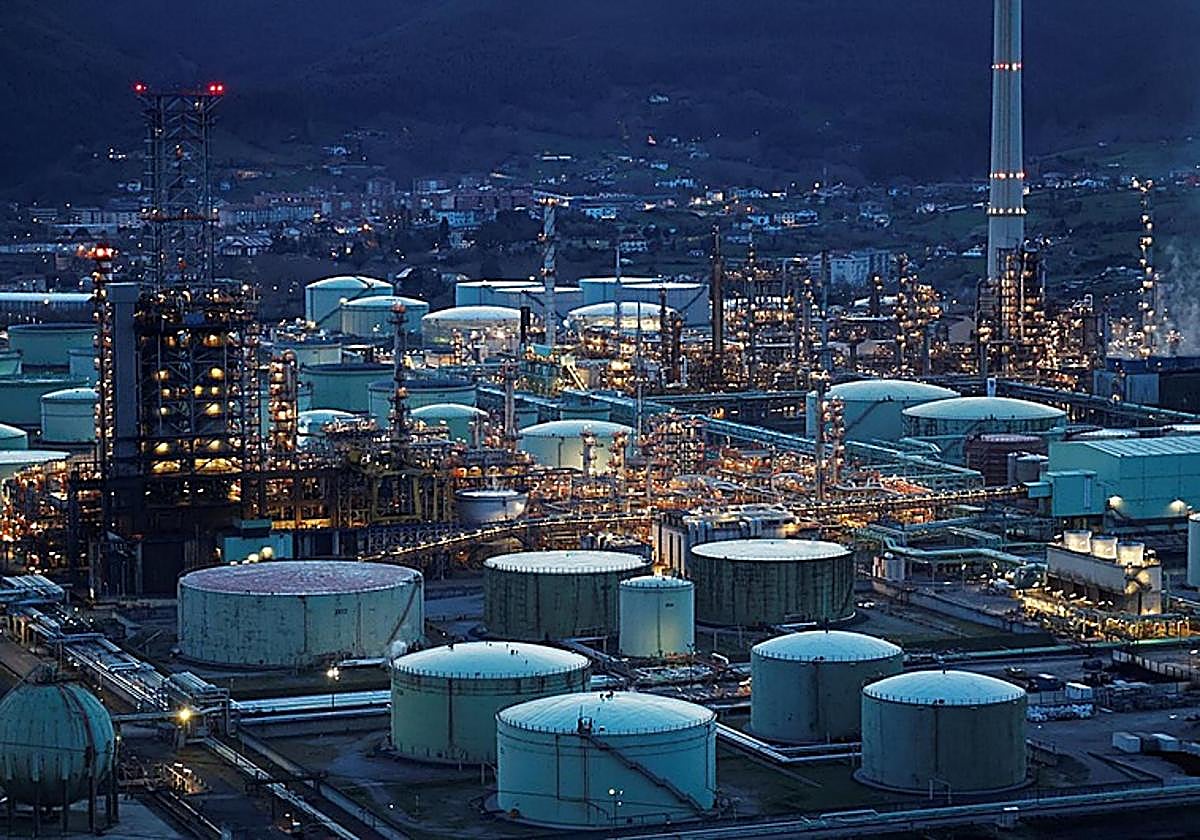

Oil company Repsol has waged war on Spain's competition regulator (CNMC) after the latter fined it 20.5 million euros for "margin squeeze" practices, considered anti-competitive.
According to the CNMC, Repsol's practices have harmed competing independent stations. The company raised the wholesale price of fuel to independent stations, while offering extra discounts to individual customers at its own stations.
Repsol has strongly opposed the sanction, stating that it is based "on a partial and decontextualised account, with flaws in method and law". The company has warned that it will appeal the decision in administrative proceedings.
According to Repsol, the CNMC has not taken into account "the exceptional context of 2022". The case, opened at the end of that year, focuses on the period between April and December and, according to the ruling, "coincided with rises in fuel prices caused by Russia's invasion of Ukraine". The decision has taken the company's management by surprise because, in its view, the CNMC is penalising conduct that was legal and supervised by the regulator itself. "It is arbitrary," the company says.
In its defence, Repsol says it demonstrated throughout the proceedings that, during that period, there was no impact on the market: there was no exclusion of competitors and no real dependency. It also states that the decision only identifies 12 service stations belonging to three competitors in four local markets selected arbitrarily, which, in its view, does not prove any real or potential foreclosure. "In short, the CNMC is more concerned about the results of those competitors than about the savings that the discounts meant for customers and consumers," the company says.
The company also highlights that its pricing policy was implemented within the exceptional regulatory framework in force that year and that its application was subject to administrative oversight. Repsol reminds that monitoring included the CNMC's own energy directorate. In Repsol's view, penalising conduct that complies with the regulations and has been overseen by the public authorities sends a negative signal to the market, discouraging similar commercial measures and limiting companies' ability to respond responsibly in times of crisis.
However, the CNMC claims to have accredited that these Grupo Repsol companies deployed "a strategy incompatible with their dominant position" with which they managed to reverse the loss of sales and market share they had been suffering since 2019.
The CNMC's ruling bans Grupo Repsol from bidding for public tenders for the supply of fuel for a period of six months.
![[]](http://static.vocstatic.com/voc26/latest/assets/images/favicon/surinenglish/apple-touch-icon-57x57.png)