
Media
Regional newspapers are the media source most trusted by the Spanish public
Citizens of Spain point to politicians as the main generators of hoaxes and the media as the best verification tool

Madrid
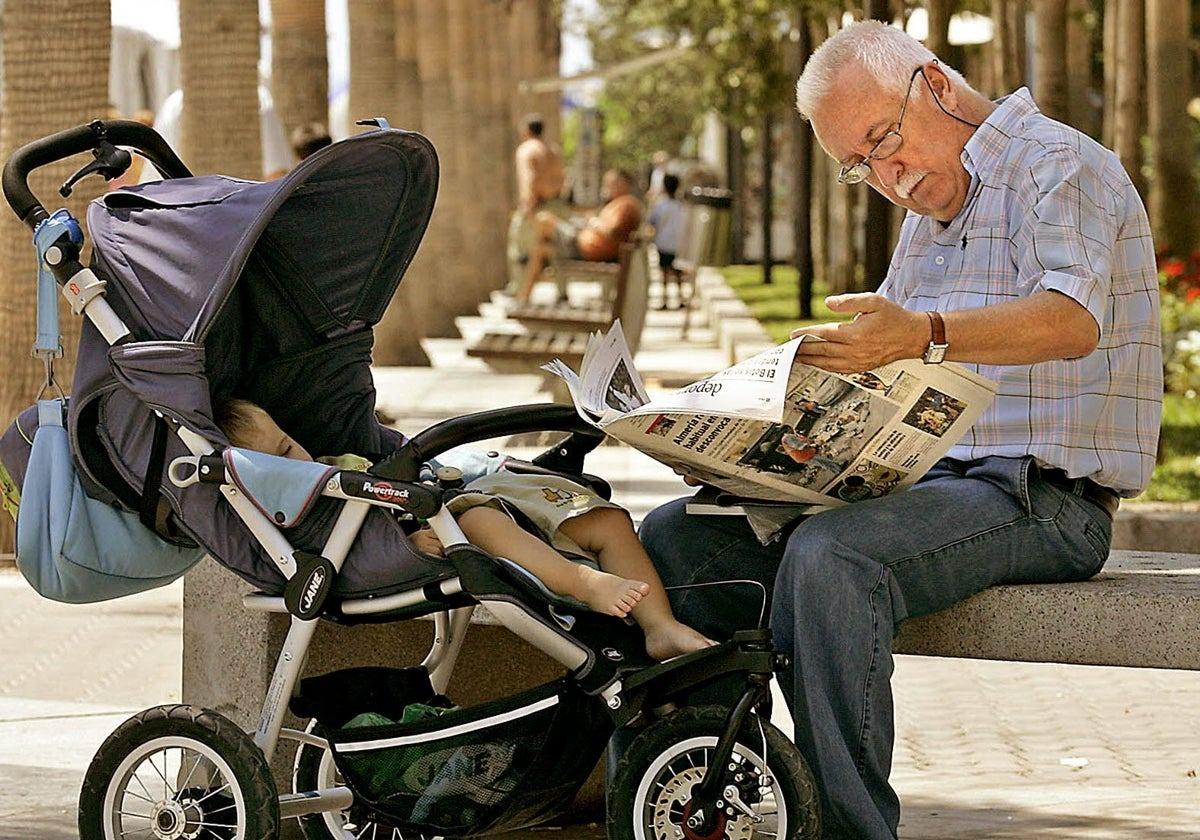
Local and regional newspapers are the media that inspire the greatest confidence among Spanish people when it comes to becoming informed. This is certified by the Digital News Report Spain 2025, the study on news demand in the country and its main trends. The survey is prepared by researchers at the Faculty of Communication of the University of Navarra and, in collaboration with the University of Oxford, is part of a global analysis in 48 countries.
More than half of the Spanish population regularly rely on regional newspapers for information and almost half, 47%, say they are very interested in local news. Logically, when it comes to consuming local newspapers, they are most interested in information about issues that affect them directly or that help them to better understand their daily environment, such as incidents and accidents (52%), local cultural activities (45%) and public service issues (44%). By contrast, news about regional politics does not attract as much attention and only motivates one third of those surveyed.
One of the main conclusions of the research is that despite the current context of news consumption (which is very complex, fragmented and constantly adapting to the digital habits of the population) citizens are still clear, when it comes to their daily search for information, about the democratic role played by the media. Three quarters of the Spanish population recognise that journalism contributes to democracy, whether by informing, facilitating debate or monitoring power. They continue to see it as a compass to rely on in the face of the current avalanche of disinformation.
Citizens point to politicians as the main generators of hoaxes and the media as the best verification tool
They are almost equally clear about who is most responsible for so much fake news. Asked about the source of hoaxes, 57% consider national politicians to be a major threat in the spread of false and misleading information. This is 10% higher in Spain than in the other 47 countries surveyed. Among the other most cited sources of disinformation are foreign governments and politicians (the shadow of Russia is very present for many Europeans) and influencers or internet personalities (45%).
This is where citizens once again place considerable trust in professional journalists. Faced with the threat of hoaxes, the media emerge as the main tool for verifying unreliable content (34%). Spanish citizens rank them ahead of official sources (31%), internet search engines (24%) or content verifiers (23%).
However, the recognition of public service to the media in Spain coexists with suspicion and the worrying abandonment of information consumption, which 37% of the population now admits. This deliberate disdain for current affairs, most common among young people and those who hold extreme or indifferent political opinions, is a consequence of distrust (35%), information overload (35%) and the negative impact of the news on the state of mind (34%).
Three quarters of the Spanish population recognise the contribution of journalism to democracy, because it facilitates debate and monitors power
The University of Navarra's study shows that television, with 54% of the public, continues to be the medium through which most of the population is informed, but in fierce competition with social networks (46%). However, all channels, new and traditional, are losing their audience, because news demand in Spain is increasingly decentralised. Print newspapers have an audience of 19%, while radio has fallen to 18% and digital editions of traditional media are down to 25%.
Division of audiences
These figures reveal a market characterised by the loss of trust in news channels and a growing fragmentation of audiences, especially according to the level of interest in current affairs. Those who are very interested prefer traditional sources such as television and digital newspapers, while those who show little or no interest opt for other avenues. Within the latter group, the majority prioritise the consumption of content from journalists or news media when accessing search engines or social media.
Social media, as indicated, is the second most consulted source of information and the main gateway for more than a quarter of citizens (28%). In their demand, there is also a clear division by platform and a generational break. No single platform clearly dominates the market, which is concentrated around Facebook (24%), WhatsApp (23%), X (21%) and YouTube (19%). But at the same time, Instagram and TikTok are benefitting from the generational shift in information demand. They are the most common sources for information among the under-24s. But at the same time as they are gaining presence, social demands on how they should handle problematic content are increasing. They are considered a notable source of disinformation and most Spanish people understand platforms themselves should remove false or harmful posts.
Half distrust in AI-generated news
Spain is one of the countries with the least blatant rejection of the debate on the publication of news generated by artificial intelligence under journalistic supervision, but it still unsettles half of the population. The use of AI raises concerns about quality, truth and the loss of human imput. 79% of those who distrust automated news, even if supervised by a professional, show a high degree of concern about hoaxes. There is correlation between the distrust of AI and the fear that automated content will encourage the spread of fake news.
Researchers believe that what the public demands are editorial guarantees: transparency in the use of technology and human oversight to maintain control over news values. It is widely accepted that AI can help journalists, but there are fears that its application may replace professional judgement or decrease the quality of content.
![[]](http://static.vocstatic.com/voc26/latest/assets/images/favicon/surinenglish/apple-touch-icon-57x57.png)