
Immigration
Nearly 500 migrants arrive in the Canary Islands in 24 hours
Despite this high figure, arrivals to the archipelago this year have fallen by 63% compared to last year, while immigration to the Balearic Islands has grown by 41.7%
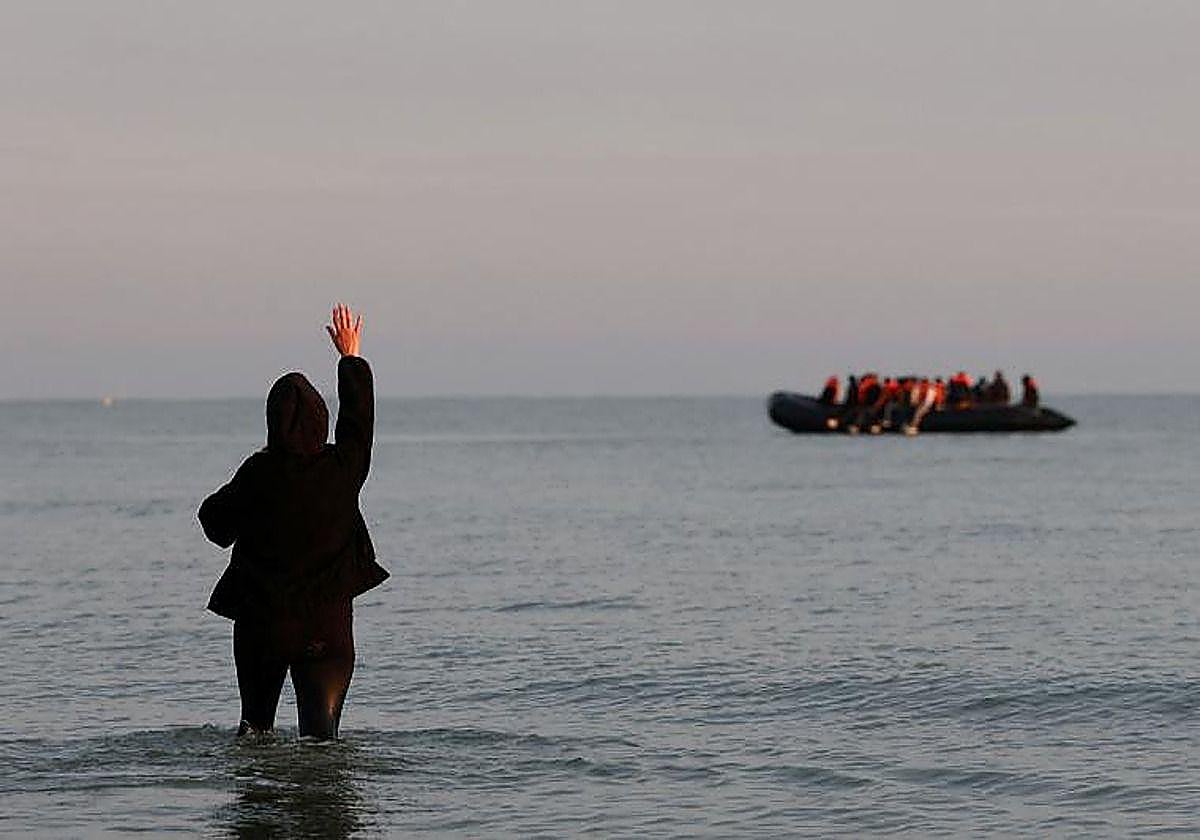

Maritime rescue teams of the Canary Islands recovered almost five-hundred migrants between Monday afternoon and Tuesday morning. Most of the migrants either arrived at, or were taken to, the El Hierro island.
Rescue operations began on Monday afternoon, when the emergency services received an alert concerning the sighting of a skiff carrying 171 migrants, who were taken to El Hierro. The second boat, with 121 people on board, was located shortly afterwards. The passengers were taken to the Los Cristianos dock, on the island of Tenerife.
The last operation took place early on Tuesday morning, 25 November. A boat of 150 foreigners, including 27 women and, reportedly, several children, was sailing in waters close to El Hierro. They arrived at the dock, where the emergency teams were located, around 8am.
Despite the high number of arrivals recorded in under 24 hours, immigration on the Canary Islands has dropped compared to last year. A total of 14,690 migrants have been recorded so far in 2025, compared to the 39,713 at this time last year (63% decrease).
The Canary Islands, however, do not reflect the trend in other parts of Spain, as only this region has led to a reduction in the total arrivals registered. The Balearic Islands, for exampe, have seen the greatest increase in immigration, largely as a consequence of the diversion of the route usually taken by people coming from Somalia. Following the anti-immigration measures implemented in Italy and Greece, citizens fleeing this country in the Horn of Africa have opted to take the route leading to the Spanish archipelago. This has resulted in a 41.7% increase in arrivals, rising from the 4,717 people recorded in 2024 to 6,683 in 2025.
Ceuta and Melilla have also registered a similar rise. Ceuta has recorded a 35.9% increase, with 2,281 irregular foreigners registered last year compared to 3,101 this year. Although Melilla figures are lower, the percentage increase is more striking - 224.4%. The city-region has gone from attending to 86 migrants in 2024 to 279 in the ten and a half months so far this year.
![[]](http://static.vocstatic.com/voc26/latest/assets/images/favicon/surinenglish/apple-touch-icon-57x57.png)