
Health
Man dies in Valencia hospital after being wrongly diagnosed with pneumonia instead of heart attack
The health authority has been ordered to compensate the family of the deceased more than 128,000 euros, after he spent more than ten hours in the hospital receiving treatments that worsened his condition
José Molins
Valencia
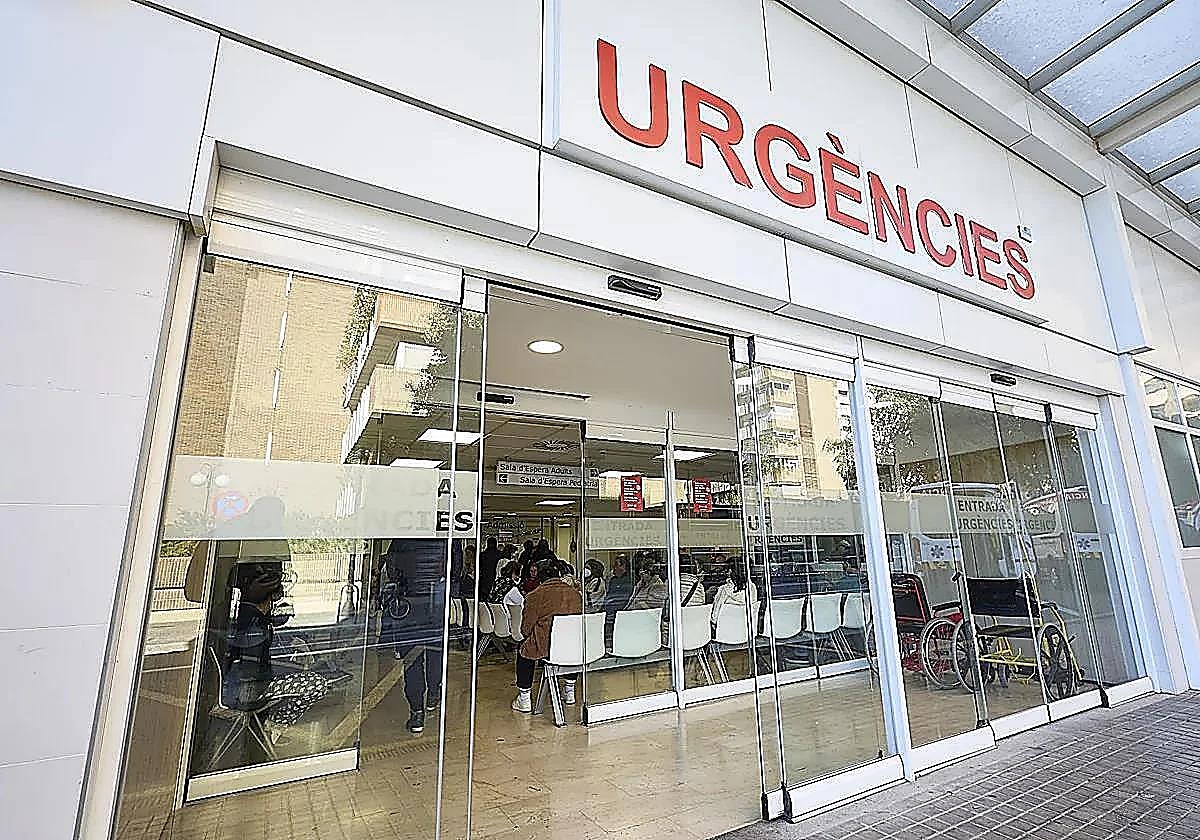
It took ten hours for two health centres, an outpatient clinic and a public hospital in Valencia to get a patient's diagnosis right, but it was already too late and the man died of a heart attack. Now, a court in Spain has ordered the health authority to compensate 128,379 to the deceased's wife and daughter for the grave mistake.
The incident happened in November 2022. The man first went to the emergency department of a local health centre at 9.27am. He was complaining of chest pain and difficulty breathing. The medical staff performed a chest X-ray, but the doctor told the patient to go to the hospital on his own, unaccompanied by an ambulance.
With an undiagnosed heart attack, the man took his car and drove to the hospital, where he waited in the triage room and underwent various tests, including a blood test and an electrocardiogram. That was when he was diagnosed with pneumonia.
He was admitted and given treatment with various drugs, not indicated for a heart attack, which is what he actually had. Instead of improving, the man's condition rapidly worsened. By 5pm, he had started to sweat and suffer from hypertension (blood pressure below normal), oxygen desaturation, very high respiratory rate and lung noise. The inadequate treatment had contributed to his state.
He underwent further tests (another X-ray and analysis), after which he was transferred to the intensive care unit for acute respiratory failure and acute pulmonary oedema. This happened at 7.44pm, ten hours after his visit to the health centre in the morning. Finally, the intensive care team diagnosed him with a heart attack.
Unfortunately, too much time had passed and the patient rapidly deteriorated and went into cardiorespiratory arrest, after which he died. His family say that there was a clear error in the diagnosis, an inadequate technical treatment and a lack of information about the seriousness of the patient's condition.
The medical expert's report determines that there was reckless conduct at the outpatient clinic, where the patient was told to go to the hospital on his own, without supplementary oxygen or an electrocardiogram. Then, at the hospital, he had to wait for more than two hours to be attended to. Although the tests revealed myocardial necrosis of the lower part of the heart, which was evidence of a heart attack, there was a "considerable" diagnostic delay. Despite the results, he was taken to the internal medicine department to be treated for pneumonia, which he did not have.
It was only in intensive care that, according to the report, the tests were correctly interpreted, but since so many hours had passed, the ischaemia and myocardial necrosis had advanced, with the development of heart failure and the final arrest that led to death.
A second medical expert report says that, although the care at the health centre was in accordance with established protocols, the electrocardiogram was misinterpreted at the hospital. Cardiac care was not initiated in the intensive care unit and the infarction code was not activated.
Similarly, a third report, that of the health inspectorate, considers that it was correct to refer him to the hospital, but that once there the diagnosis of acute infarction should have been established and the appropriate measures taken. The report considers that it was a mistake to first leave him in a cubicle and then take him to internal medicine, where he was admitted. "There was no correct diagnosis in the emergency department, which delayed the appropriate treatment and may have contributed to the spread of the infarction," the document states.
All this proves that the chain of medical errors led to his tragic demise. For this reason, the court has upheld the family's claim and urged the health department to pay them 128,379 euros.
![[]](http://static.vocstatic.com/voc26/latest/assets/images/favicon/surinenglish/apple-touch-icon-57x57.png)