
Health
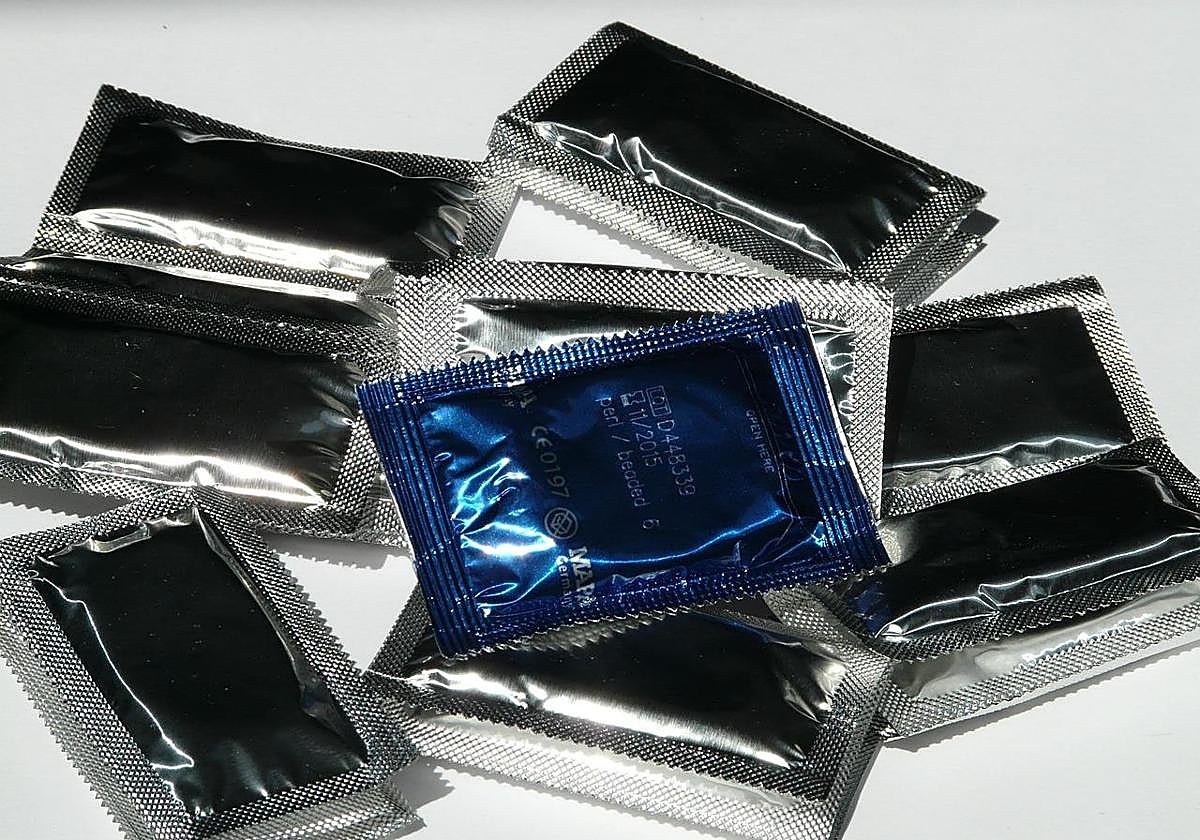
Spain plans to start handing out free condoms to young people before end of 2025
The Ministry of Health programme aims to stop the "alarming" spread of sexually transmitted diseases, unwanted pregnancies and HIV-positive cases

Madrid
Spain's minister of health Mónica García announced at a press conference held on 22 September that the government plans to start giving out free condoms to teenagers and young adults before the end of the year. The aim of the campaign is to stop the increasing spread of sexually transmitted infections (STIs) and diseases as well as to prevent unwanted pregnancies.
Minister García outlined the campaign for the first time a year and a half ago, when she said that the young people eligible for free condoms will be those between 16 and 22 years of age. Health authorities pledged 10 million euros to implement the campaign. According to them, the chosen age group is the one with the least purchasing power, as most of these boys and girls are still studying, which implies that the price of condoms can be a deterrent to regular use. In addition, this is the age bracket where the highest increase of STIs has been observed.

The proposed distribution system involves handing out condoms in pharmacies after establishing a temporary quota of condoms linked to the individual's health card, without the intervention of doctors or other social or health officials. This method is similar to how free masks were given out during the Covid-19 pandemic.
Alarming figures
If the project comes to fruition, it will be a good complement to the campaign launched by the Ministry of Health to curb sexually transmitted infections, which are skyrocketing in Spain, especially among people under the age of 35.
The Instituto de Salud Carlos III has found that the main STIs - pathologies that can have serious and long-lasting consequences if not treated in time - have been rampant for the last decade, but especially for the last three years.
Gonococcal infections have increased by 42.6% in just two years; syphilis infections have risen by 24% in the same period; and chlamydia transmission has been growing at an average of 20% per year since 2016.
![[]](http://static.vocstatic.com/voc26/latest/assets/images/favicon/surinenglish/apple-touch-icon-57x57.png)