
Motoring
Drivers in Spain warned of 200-euro fines for stopping or parking at the school gates
Double parking is a regarded as serious violation, especially if the vehicle is considered to significantly impede traffic or is located in a dangerous area

Madrid
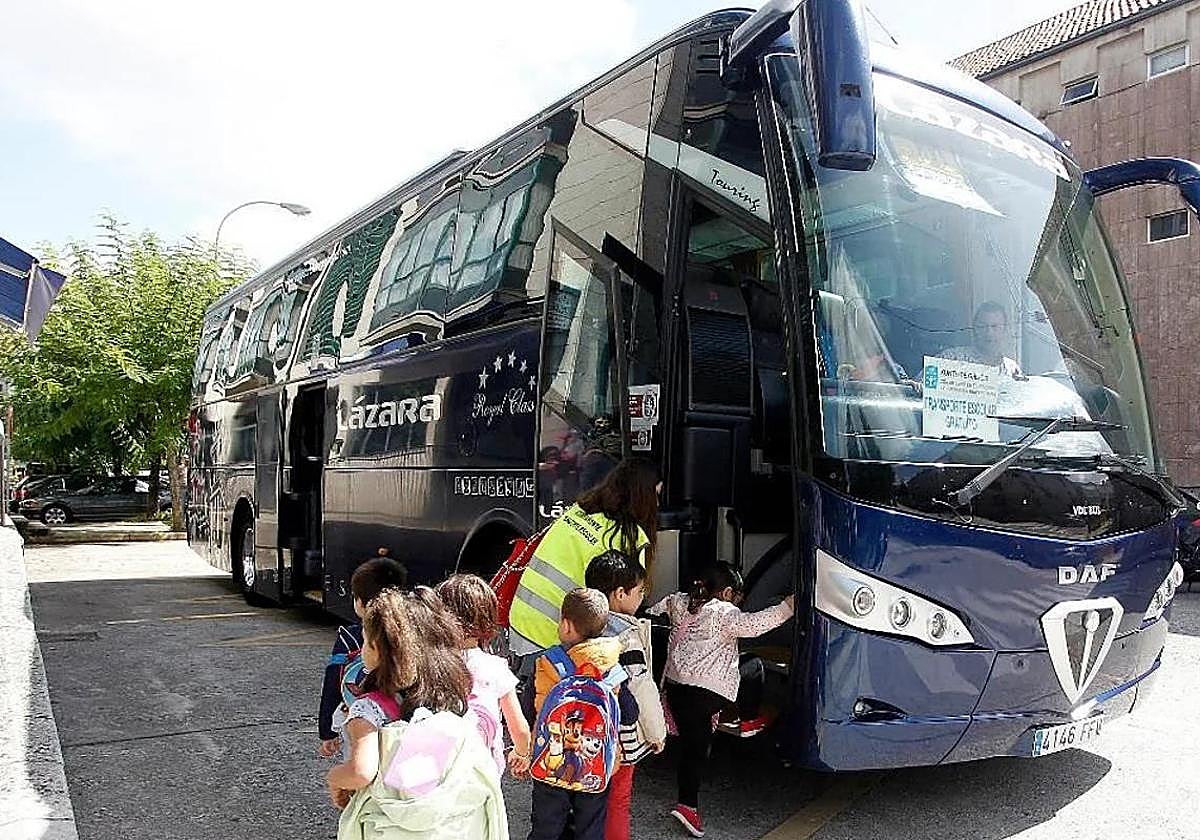
The start of the school year in Spain brings with it a phenomenon feared by many drivers: traffic congestion around schools. At rush hour, the presence of double-queued vehicles becomes a common scene that affects the flow of traffic and, more seriously, increases safety risks for pedestrians, especially pupils and students.
Although the intention of many parents is just to leave their children at the school gates quickly, this seemingly harmless practice can result in a considerable financial penalty. The traffic law is clear: "stopping" is not the same as "parking" and the fine for an incorrect manoeuvre can be up to 200 euros.
Double parking is a serious offence and the fine can be up to 200 euros, especially if the vehicle is considered to be a significant obstruction to traffic or is in a dangerous area.
In cases where the fine is classified as minor, the amount can range between 110 and 140 euros. Therefore, the golden rule to avoid fines is simple: never leave the car and do not remain stationary for more than two minutes.
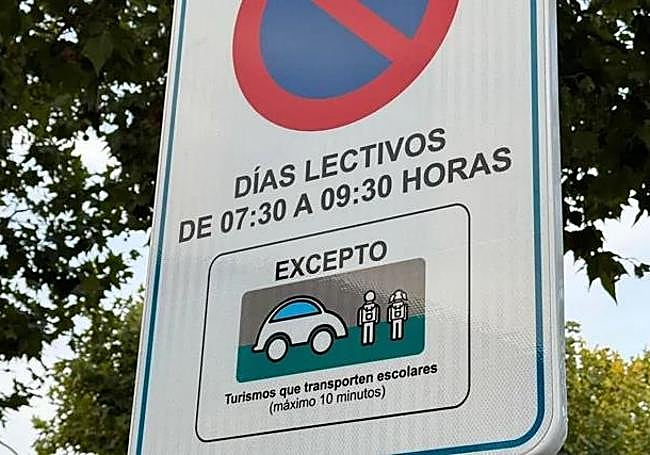
The thin line between 'stopping' and 'parking'
In order to understand what situations imply a fine, it is essential to know the difference between 'stopping' and 'parking'.
Stopping: This implies that the vehicle is stationary for a period shorter than two minutes, with the driver remaining at the wheel. The purpose is to facilitate the picking up and dropping off of passengers or the loading and unloading of luggage. To be valid, the stop must not cause a serious obstruction to traffic.
Parking: When the vehicle is stationary for more than two minutes or when the driver leaves it, regardless of the time.
One of the Spanish road traffic authorities' (DGT's) strongest recommendations to drivers is to reduce speed. In most cases, the maximum speed in urban areas is 30km/h - a limit that becomes vital near schools. Children can behave unpredictably, crossing the road without looking or stepping out from between two parked cars. The lower the speed, the longer the reaction time to avoid an accident.
The DGT also calls for full attention at the wheel. The use of mobile phones, setting up of the radio or any other distraction should be completely avoided. Every second of distraction can be the difference between a normal school day and a serious accident.
One of the most common problems is double parking - an offence that not only seriously obstructs traffic, but also reduces visibility.
The DGT advises parents to plan the pick-up, use designated parking areas (if available) and, in case of a quick stop, not get out of the car.
Respect for the road hierarchy is key. In the school area, pedestrians and cyclists are the most vulnerable road users and therefore have priority. At pedestrian crossings, it is mandatory to come to a complete stop to allow pedestrians, especially children, cross the road safely.
Avoid parking in areas that hinder visibility at pedestrian crossings and take special care with bicycles and scooters, which are becoming increasingly common as a means of school transport.
![[]](http://static.vocstatic.com/voc26/latest/assets/images/favicon/surinenglish/apple-touch-icon-57x57.png)