
Housing crisis
Property market surprise in Spain: fewer than one in ten homes sold are new builds
The lack of new construction in some areas is one of the issues the Spanish government must overcome to resolve the housing crisis, according to experts
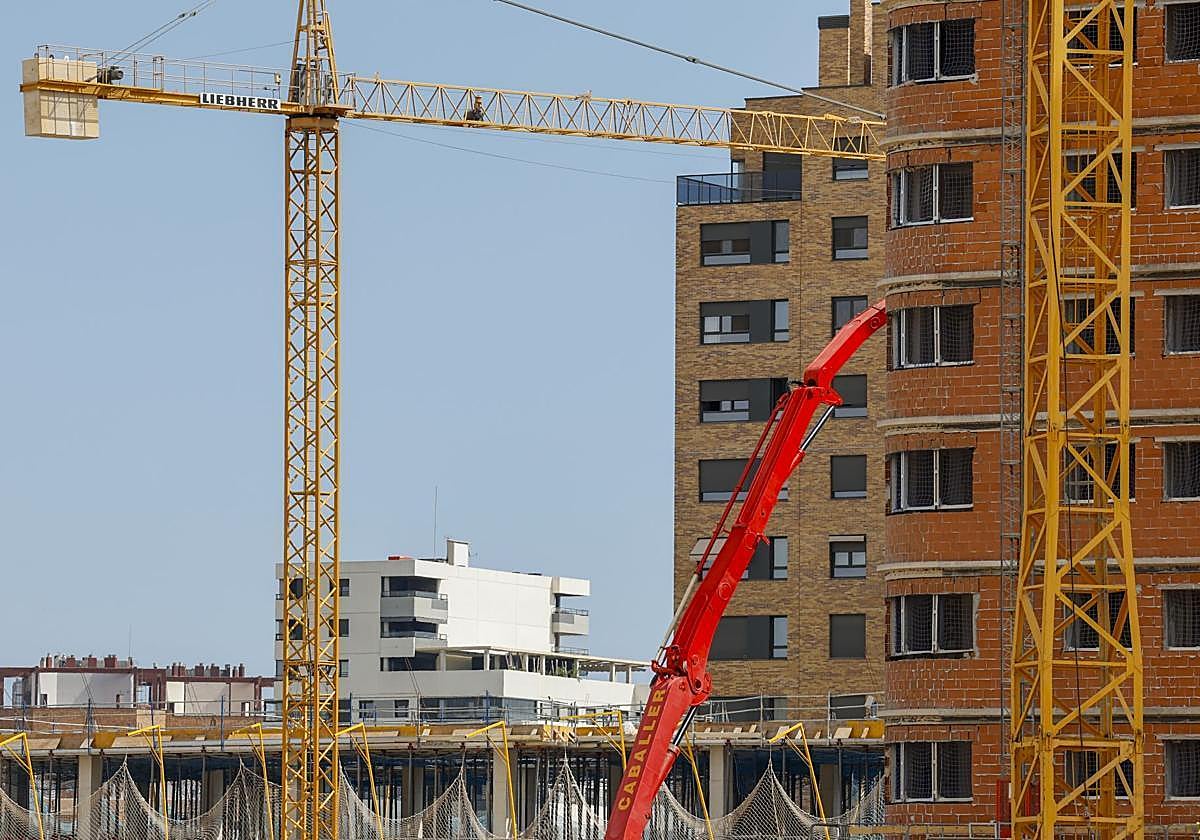

The housing problem across Spain is one of the central government's major topics of 'unfinished business' in this term of office and the lack of new housing construction is one of the tests it must overcome. Proof of this is that 723,000 house sales were completed in Spain in the last year, of which only 63,000 were for new homes. In other words, less than 9% of house sales were for brand new builds, according to figures from Spain's general council of notaries. The numbers were broken down by the council's president, Concepción Pilar Barrio del Olmo, at the housing and urban agenda committee meeting on Tuesday in Congress.
The lack of new-build properties, according to this body of notaries, contrasts sharply with the figures from the Spanish government. Building permits for new construction totalled 127,721 units in 2024, an increase of almost 17% compared to 2023, according to data published in February by the Ministry of Transport and Sustainable Mobility.
During her appearance before the committee, Barrio del Olmo stressed that the housing shortage is more prevalent in certain areas, with price differences of up to 31% in Madrid and 50% in Barcelona between homes in the provincial capital and those in the rest of the same province.
Regarding rentals, she expressed her disappointment that, in Spain, it is not customary to formalise rental agreements by public deed, which would make it possible to have data on rentals in an exercise of "transparency and information" and would provide greater "legal security". The intervention of a notary would guarantee, as in any other operation involving notaries, "the capacity of the parties, their identity and the legal checks that the renter is truly the owner and can rent", she argued.
This public deed system would also serve to control seasonal and short-term rental contracts, with the aim of verifying whether or not they are fraudulent. It would further serve to check whether they are using this renting option to evade the Spain's LAU law on urban leases).
![[]](http://static.vocstatic.com/voc26/latest/assets/images/favicon/surinenglish/apple-touch-icon-57x57.png)