
Population
'Catastrophic' summer with 209 drowned bathers - highest number in ten years
Beaches are the sites that takes the biggest portion of lives - half of the recorded victims so far in 2025 (303)

Madrid
A three-year-old girl drowned on 5 July in the swimming pool of a villa in Malaga province. The day before that, the body of an 87-year-old man was recovered from the sea in Puerto de Sóller (Mallorca). Another man, 27, has been missing since Sunday, 3 July, when he was last seen trying to return to the shore at Los Muertos beach in Almeria province, dragged by the strong waves.
These are the last three cases of drownings recorded in August. The month has barely started, but it has already been marked by a number of victims at beaches and in swimming pools and rivers that adds to the morbid statistics so far this summer.
The Spanish royal lifesaving and rescue federation (RFESS) is the official public body that has been keeping track of drownings since 2015. According to this organisation, the summer of 2025 has been "catastrophic", with the highest number of drownings in the last decade.
A total of 209 bathers of different ages have lost their lives so far this summer, which started in May. July has had the highest number of drownings, with 92 victims in a month that coincides with the highest influx of tourists, both national and international. It was the fourth worst July in the last decade.
In the first seven months of this year, there have been 303 drownings in Spain - once again, the highest number in the past ten years.
Only Extremadura and Ceuta are spared
Andalucía continues being the region with the highest number of deaths (52), followed by the Canary Islands and Valencia (39 each), Catalonia (36) and Galicia (34). In July alone, Valencia recorded 22 deaths, followed by Andalucía and Catalonia, each with 13 deaths. Only Extremadura and Ceuta have not recorded any deaths from drowning so far.
Despite the fact that the cases of children drowning in public and private swimming pools are more notorious, the beach and the harsh conditions of the sea account for the largest portion of claimed lives - practically half of the cases. As stated by RFESS president Samuel Gómez Mayor, of the 92 drownings in July, there was no active surveillance service at the time of the incident in 45 of the cases, while in 33 cases the nature of the location did not allow such personnel to be present. There were no lifeguards on duty in 14 of the cases.
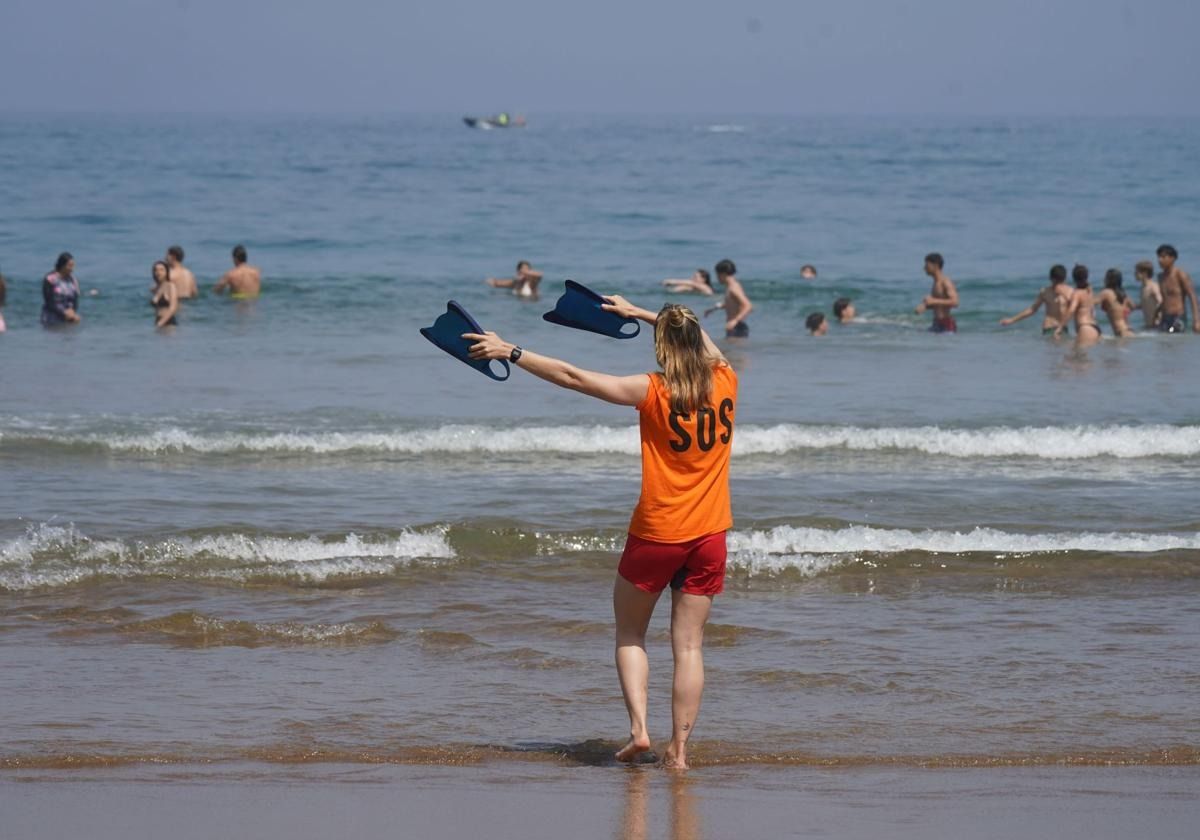
"We are experiencing a catastrophic summer, which confirms that water does not care for holidays," Gómez Mayor says. "We need to act immediately and extend the presence of trained lifeguards beyond the high season and also protect inland natural environments," he adds, promoting an important lifeguard campaign.
As the president of the RFESS says, rivers and other inland water basins should not be overlooked, as they account for 40% of the deaths this year. Non-urban beaches, rivers, marshes and reservoirs are places that do not usually have surveillance and emergency intervention personnel.
The profile of the victims in bathing areas, on the other hand, has not changed. The majority are still adult men over the age of 45, usually between 65 and 75 and of Spanish nationality.
Concern for children
What is key for the RFESS to highlight is the upturn of drownings among minors this summer. Nine children died in July, preceded by an even worse June, with 11 deaths.
Gómez Mayor insists on the training of children, which should start "at an early age, through school-based aquatic safety training programmes that enable them to identify risks, respect basic rules in the water and know how to act in emergencies".
![[]](http://static.vocstatic.com/voc26/latest/assets/images/favicon/surinenglish/apple-touch-icon-57x57.png)