
Air transport
Spain airports: airlines oppose proposal to raise annual fees by 43 cents per passenger
The measure is part of the new airport regulation document for the 2027-2031 period, which forecasts an investment of almost 13 billion euros to handle the 1.7 billion passengers over the next five years
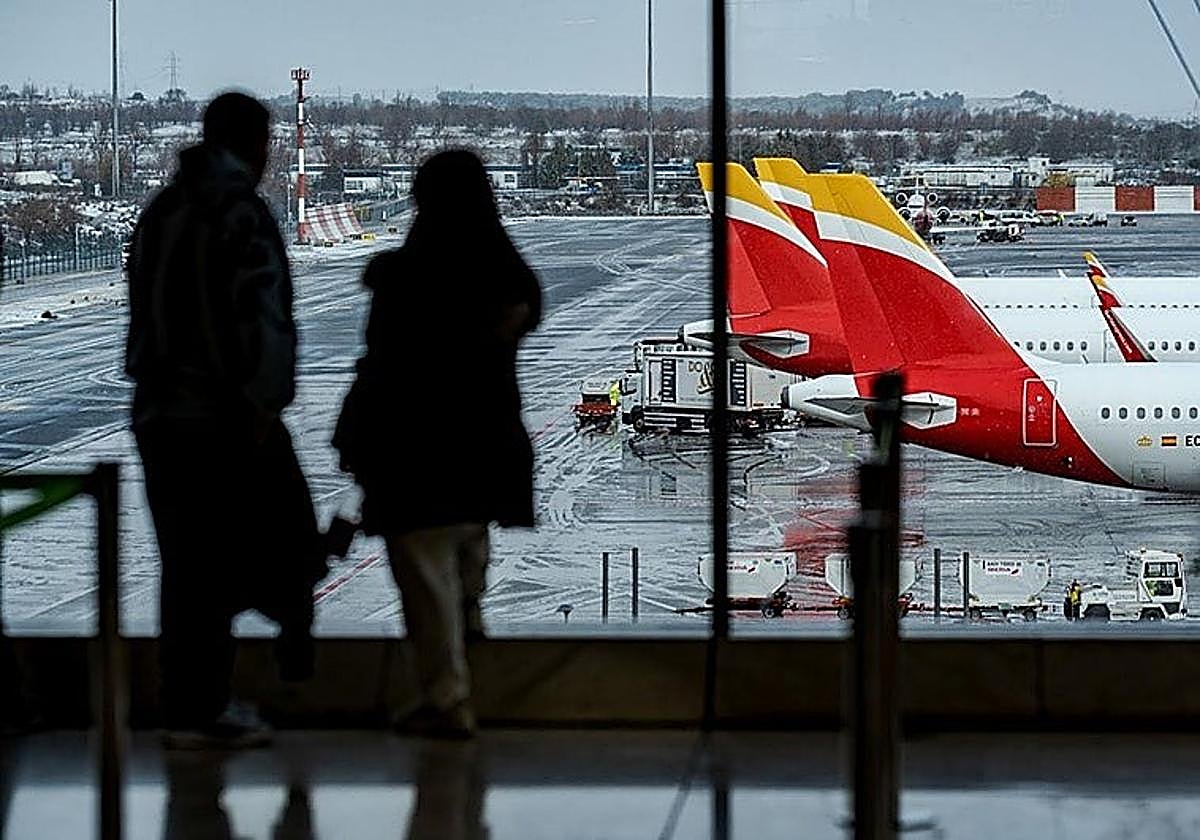

Madrid
Spain's airport operator Aena has approved the Dora III regulation document for the 2027-2031 period, which contemplates a total investment of around 12.9 billion euros. Among the measures, Aena has included a proposal to increase annual fees by 43 cents per passenger, which airlines are strongly opposing.
Aena has already submitted the plan to the state competition watchdog (CNMC). The Dora III document includes measures that would assist the country's airports in handling 1.69 billion passengers over the next five years.
According to Aena, even with the fee increase proposal, fares will remain at "very competitive" levels, allowing airlines to "remain highly efficient". In addition, the operator has reassured companies that the 43 cents are not fixed, as smaller airports will have lower fees.
Despite these guarantees, airlines have opposed this proposal through a joint statement. They believe that Aena "has underestimated" air traffic in the coming years and overestimated capital and operating costs.
According to them, the 1.3 per cent increase in passenger numbers forecast by Aena is not realistic. Airlines believe that the increase will actually be 3.6 per cent per year, which means that Aena's network will reach 401 million passengers in a single year in 2031.
According to the airline association (Ala), in the 2017-2025 period, actual passenger traffic was on average 15.3 per cent higher than Dora I and Dora II forecasts.
"Only in 2025, the difference between estimated and actual traffic reached 17.3 per cent. This mismatch has resulted in Aena obtaining a regulatory excess return of 1.3 billion between 2017-2025, which airlines and passengers have overpaid," the airlines state.
![[]](http://static.vocstatic.com/voc26/latest/assets/images/favicon/surinenglish/apple-touch-icon-57x57.png)