
Health
More than 2,000 heat-related deaths in Spain during August: the highest number for the month since records have been kept
This summer has been the warmest on record, together with that of 2022, with a provisional average of 24.1C, according to the state weather agency Aemet

Madrid
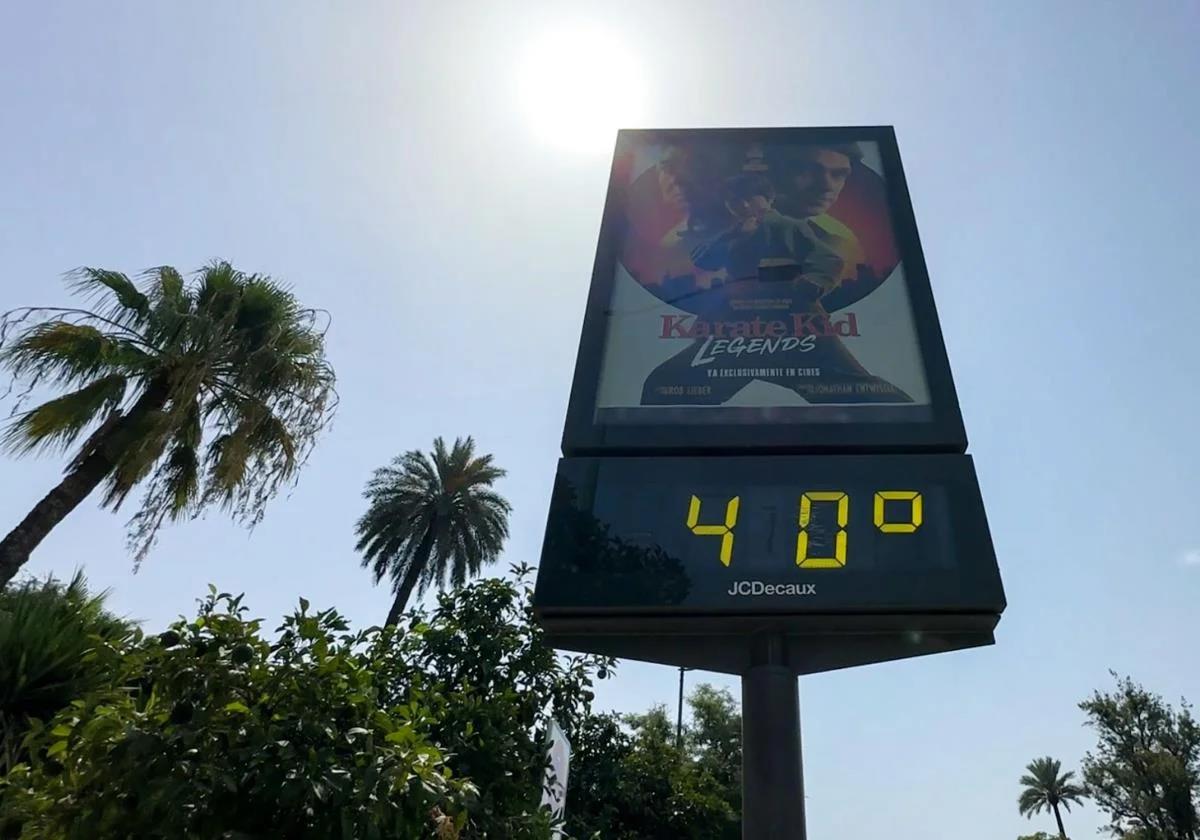
The meteorological summer of 2025, which has just ended, has been the hottest (24.1C on average) since records have been kept, together with that of 2022, according to Spain's state meteorological agency Aemet spokesperson Rubén del Campo. Both summers were about 2C warmer than normal.
This excess of temperatures has had serious effects on the population's health, as confirmed by MoMo - the daily mortality monitoring system managed by the Instituto de Salud Carlos III since 2015. The data indicates that 2,170 people died in August as a result of excessive heat - the highest figure in the past ten years. This is 71% more than in August 2024, when 1,271 people died from heat stress. It is also the second highest figure in MoMo's history following July 2022, which recorded 2,217 deaths.
In these three months of meteorological summer (the astronomical summer will last until 21 September), some 3,644 people have died for reasons attributable to high temperatures in Spain. Overall, this is 84% more than those who died at the same time last year (1,977).
The increase was also significant in July: 1,060 compared to 674 in July 2024 (57% more) and especially in June: from only 32 (June 2024 was an atypically cool month) to 407 this past June, an increase of 1,118%. However, the excess of deaths due to extreme temperatures has been concentrated in August (60% of all deaths during the summer) - a month in which Spain has suffered one of its worst heatwaves.
The episode lasted from 3 to 18 August and reached a thermal anomaly of 4.6C above the usual values, surpassing the record held by the July 2022 wave, with 4.5C. For 16 days, maximum temperatures in large parts of Spain did not fall below 40C and minimum temperatures did not fall below 25C.
In this period alone, which also saw the worst wave of fires in the country in decades, 1,429 people died from excessive heat, accounting for 66% of all deaths from that cause in August. The August average (provisionally 25C) was almost 1C higher than the summer average.
This was the third longest heatwave since 1975. An 18-day heatwave happened in 2022, but the longest to date was in 2015 - 26 days.
According to Aemet, this summer has also been one of below-normal rainfall. It has rained approximately three quarters of what is normal for an average summer, although there have been some episodes of significant storms, especially in July, with daily rainfall records for that month in places in the Mediterranean area, such as Castellón, or in the interior of the peninsula, such as Guadalajara.
According to Del Campo's initial estimates, this autumn - September, October and November - will be warmer than normal across the country. "There is a 60 to 70% probability that this autumn weather will be warmer than normal, compared to a 10% chance of it being colder on the Spanish mainland and in the Balearic Islands," said the Aemet spokesperson. In the Canary Islands, there is a 50% chance of it being warmer, compared to a 20% chance of the autumn being colder than normal.
As for rainfall, with all the uncertainty of an autumn with such a changeable atmosphere, "there is a 45% chance that it will be less rainy than normal in the west and centre of the country, as well as in the Canary Islands, compared with a 20% chance that rainfall will be above normal in those same areas. For the east of the mainland and the Balearic Islands there is no clear trend," said Del Campo.
![[]](http://static.vocstatic.com/voc26/latest/assets/images/favicon/surinenglish/apple-touch-icon-57x57.png)