
The Bottom Line
When did shame become optional?
Columnist Troy Nahumko looks at the proposed regularisation of migrants
Troy Nahumko
Lately I've been feeling a peculiar sort of nostalgia. Not the grand, sepia-tinted variety reserved for eras when Miles Davis, Nelson Mandela and García Márquez walked the earth, but a humbler longing: a wistful glance back to that not-so-distant moment, somewhere around the turn of the millennium, when racism, though very much alive, at least had the decency to pretend it was dead.
It was a brief interlude in which bigotry was not merely unfashionable but socially ruinous; when your drunk brother-in-law's mutterings about people with slightly more melanin was rewarded not with a television contract or parliamentary seat, but with being quietly avoided at family gatherings. Prejudice still lurked, certainly, but had the good manners to do just that - confined to extremist fringes, cloaked in euphemism, or whispered in the tone reserved for opinions one suspected might cost a job.
No serious political movement imagined that naked racial grievance could serve as a viable electoral platform.
How quaint that now seems.
In today's world we have achieved what might politely be called a breakthrough in efficiency. Why bother disguising prejudice behind coded language when it can be posted directly to social media, memeified, monetised, and algorithmically amplified before lunchtime? Politicians who would once have been forced to resign now discover that scandal is merely publicity with a faster news cycle, and that saying the quiet part out loud is rewarded with polling bumps rather than public disgrace.
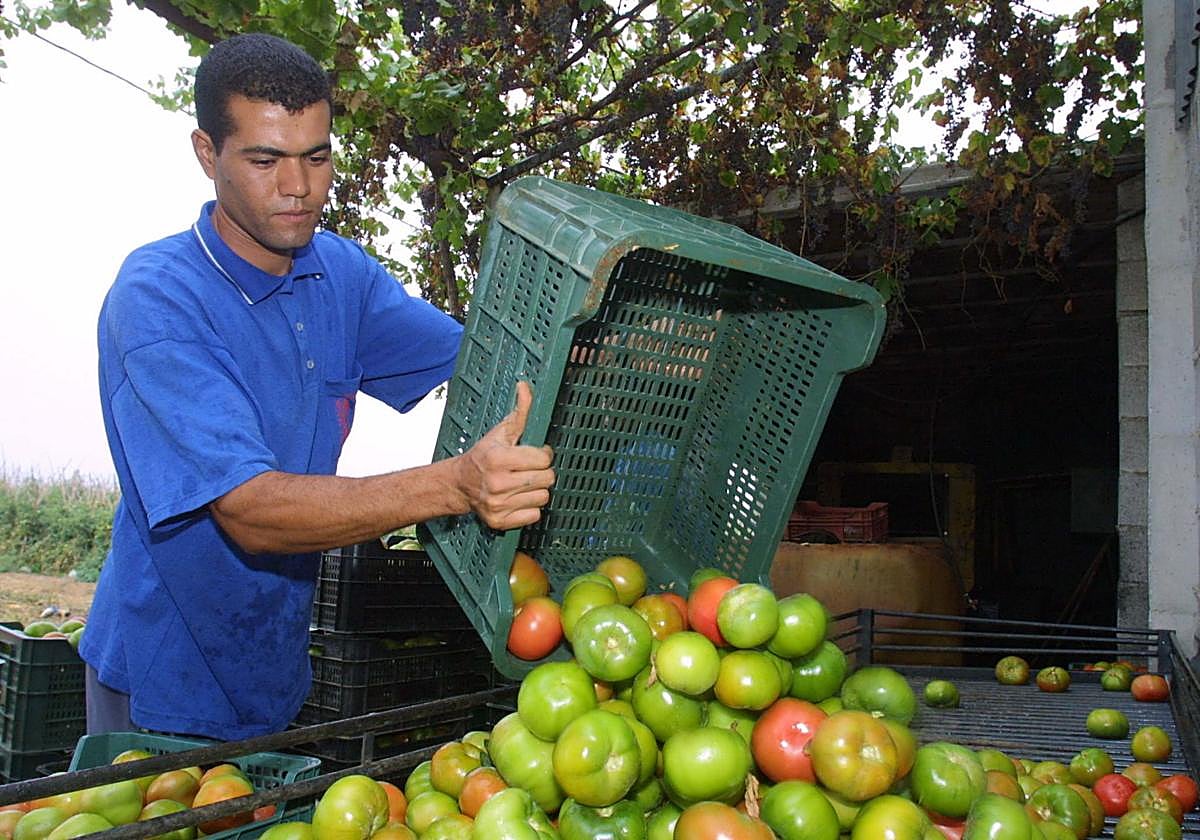
If Europeans once comforted themselves that such vulgarities belonged to "other" political cultures, Spain - a nation which spent the better part of the 20th century recovering from what happens when fascism goes unchecked - now offers a useful corrective. The recent debate surrounding the proposed regularisation of migrants already living and working in the country has revealed how quickly respectable discourse can rediscover the language of exclusion. These are people who clean hotels, harvest crops, staff kitchens, look after Granny and quietly sustain sectors of the economy while existing in legal limbo. Their regularisation is not only a moral question but a fiscal one: individuals who emerge from invisibility tend, inconveniently for ideological purity, to pay taxes and contribute to social security systems.
Opposition from the far right - and increasingly the PP - has framed the measure not as administrative policy but as civilisational threat, an argument notable chiefly for requiring no evidence. That migrants are already here, already working, already informally contributing appears less significant than the symbolic utility of insisting their legal recognition constitutes an existential concession. In regions facing depopulation and labour shortages, the claim that migrants simultaneously "take jobs" while contributing nothing demonstrates a logical flexibility that would impress the most fervent theologian.
Racism has not so much returned as it has remembered that shame was always optional. What was once whispered is now declared, what once disqualified now mobilises, and what once required apology now harvests applause. We congratulated ourselves too soon on winning an argument that was merely waiting for us to look away.
The right thunders that these human beings threaten our civilisation. One wonders which civilisation they mean - the one that needs their labour to function, or the one that needs their exclusion to feel superior. Perhaps, in the end, there has only ever been one.
![[]](http://static.vocstatic.com/voc26/latest/assets/images/favicon/surinenglish/apple-touch-icon-57x57.png)