
The Bottom Line - opinion
The polyester gospel
Stories once held up as proof of Canadian enlightenment now treated like contraband, hidden away from children "for their protection"
Troy Nahumko
It wasn't the man himself who caught my eye, but his hat. A cheap, lopsided crown of polyester tyranny, perched on hair so white it looked powdered with asbestos and biblical plague-dust. The brim sat at an impossible angle, broadcasting on a frequency only dogs and lunatics could hear.
This was highway gas station Canada. He could have been any man - plaid shirt, shapeless trousers - a relic spat out by time. But his body told another story: sharp, convulsive jolts, like he was resisting the urge to rip open the sky and demand justice from God or, failing that, a manager at corporate HQ. His muttering rose above the crinkle of donut bags, pulling the room into his orbit.
I leaned closer. And there it was: the Maga gospel spilling from his cracked lips. "Bloody immigrants," he hissed. "What do these brown people know about coffee?" He was enraged that his order hadn't arrived while others - younger, browner - were called first. Every accented voice from behind the counter was a betrayal. He wasn't just waiting for coffee; he was reliving a whole mythology of white persecution.
Stitched to his forehead, in polyester, was the sermon of his tribe: The Republic of Western Canada, grievance as identity. For decades, the oil industry in Alberta has told citizens that they are victims - strangled by Ottawa, cheated by foreigners, punished by elites. Never mind that the province has been showered with subsidies. Never mind that the oil isn't going anywhere. The myth is cleaner: "We are oppressed."
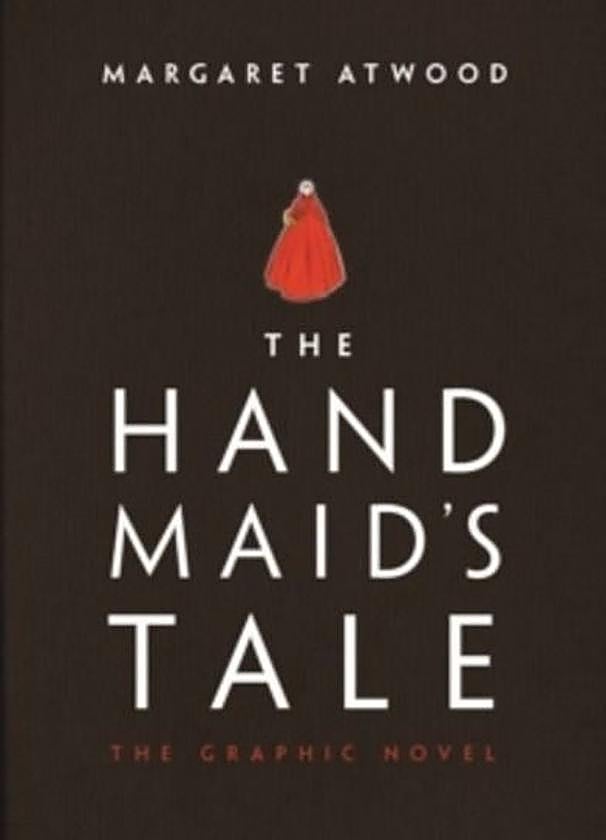
That myth has bled into everything. It shapes media, politics, even libraries. And today, in Alberta, it has taken a dark turn: book bans. 1984, Brave New World, The Color Purple, even works by Nobel laureate Alice Munro and the seminal Handmaid's Tale. Stories once held up as proof of Canadian enlightenment now treated like contraband, hidden away from children "for their protection". A province once defined by grit and survival now shelves books with the same proud barbarism they used to mock in Afghanistan or Alabama.
But this isn't about protecting kids. It's about protecting the narrative. Keeping young people from asking questions - about climate, about identity, about power. And so the oil patch and religious conservatives work in symbiosis: one rigs the economy, the other rigs the culture. Together they tell citizens that to doubt the industry is to doubt God, and to doubt God is to endanger your children.
This is where Spain should take note. Because this didn't happen overnight. It crept in slowly. First, grievance became gospel. Then the enemy list grew: immigrants, feminists, scientists, queers... Then the pulpits and media amplified the paranoia. And finally, the shelves were empty.
Sound familiar? Brexit? In Spain, the mainstream right already mates with the far right, adopting its bile to lure its voters. But dog whistles become megaphones, and once the far right sets the cultural agenda, the bonfires begin. That's how you go from respectable debate to banning books. And once books are banned, history tells us, it doesn't take long before they burn. The slide from polite politics to book bans, from "values" to bonfires is faster than you think.
This polyester prophet thought he was defending his culture. In truth, he was championing the theft of his future - cheering for the very thieves who pocketed the wealth of his province. His rage wasn't about coffee; it was about identity, about belonging to a myth that casts him as a victim, even as he's being fleeced.
If it can happen in Canada, a country drunk on its self-image of tolerance and moderation, it can happen anywhere. Including here.
Because books don't vanish all at once. First they disappear from classrooms, then from libraries. And finally, from the public square, thrown onto bonfires while the crowd cheers, convinced that destruction is salvation.
![[]](http://static.vocstatic.com/voc26/latest/assets/images/favicon/surinenglish/apple-touch-icon-57x57.png)