
The Bottom Line opinion
Peace on Earth (terms and conditions apply)
A faith that can be curated is a faith that need never challenge the comfortable or comfort the challenged, writes columnist Troy Nahumko
Troy Nahumko
Malaga
You have to admit, it is a bit confusing. In most braided novels, the storylines eventually converge. Even experimental fiction agrees on basic coordinates. Narrators may quarrel about motives, but they generally know whether they are in Jerusalem or Galilee.
Which is why one is tempted to ask: what book, exactly, are they reading?
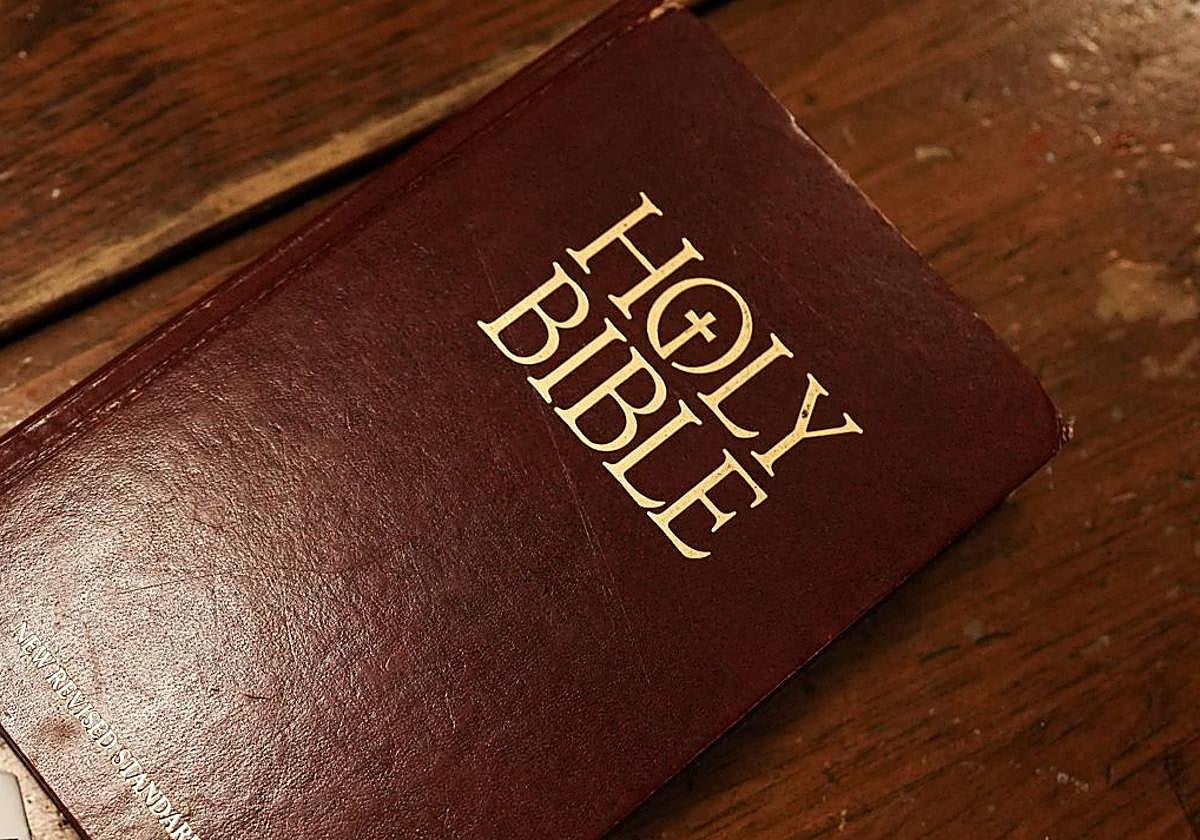
We know that in English, the question is already slippery. There is no agreed-upon number of English Bibles; some say over a thousand, depending on how generously one counts revisions, paraphrases, and denominational edits. Even the most revered of them all, the King James Version, exists in multiple forms - 1611, 1629, 1769, Oxford, Cambridge - each quietly amended while loudly proclaimed immutable.
But here in Spain, matters appear more straightforward. What the Church says goes - quite literally - to mass. Scripture is not necessarily read; it is filtered through tradition, authority, and liturgy.
My own Bible is an old, dog-eared Penguin edition translated from the original Greek, burdened with the heretical habit of explaining things. It is there one learns, for example, that Mary is called a "virgin" using the Greek parthénos, a word that in the first century meant a young, unmarried woman, not a biological claim in the MAGA sense.
But why let philology ruin a perfectly good miracle? Matthew adopts this inherited wording to frame Jesus' birth theologically; Luke uses it to emphasise divine initiative. Neither show the slightest interest in the later, bureaucratic obsessions with celestial gynecology that would be erected upon it.
As Greek became Latin and Latin became modern European languages, the meaning narrowed and hardened. Theology followed language downhill, then insisted the slope had always been there.
This habit of selection is hardly confined to the Nativity. Matthew solemnly insists that not one letter of the Torah will disappear and that anyone who relaxes even the smallest commandment will be least in heaven. Mark, however, briskly announces that Jesus declared all foods clean. Faced with these options, and a leg of jamón hanging on the wall, most Spaniards have sensibly sided with Mark.
The same selectivity becomes positively acrobatic when scripture is pressed into service against immigrants and the poor. John offers the thunderously exclusive "No one comes to the Father except through me," often brandished like a theological border wall. Matthew, meanwhile, depicts a final judgment based not on belief or confession, but on whether one fed the hungry, welcomed the stranger, and clothed the naked.
A Christianity that demonises migrants while worshipping a Middle Eastern refugee, that slashes aid while venerating a homeless preacher, this isn't just cognitive dissonance. It's performance art. It's practicing curation. The result is not faith but a scrapbook: verses torn from history, language stripped of context, and a religion rendered safe for power, wealth and indifference.
Which brings us back to the original puzzle. Maybe it isn't that these people are reading the Bible wrongly. It's that they are reading a Bible of their own making, one translated not from Greek or Hebrew, but from fear, grievance, and selective memory. Just maybe, the confusion is intentional. After all, a Bible open to such interpretation is a Bible open to power. And a faith that can be curated is a faith that need never challenge the comfortable or comfort the challenged.
![[]](http://static.vocstatic.com/voc26/latest/assets/images/favicon/surinenglish/apple-touch-icon-57x57.png)