
The Euro Zone opinion
The blame game in Spain
Mazón's resignation over last October's floods raises questions about how blame should be distributed after a natural catastrophe, writes columnist Mark Nayler
Mark Nayler
Malaga
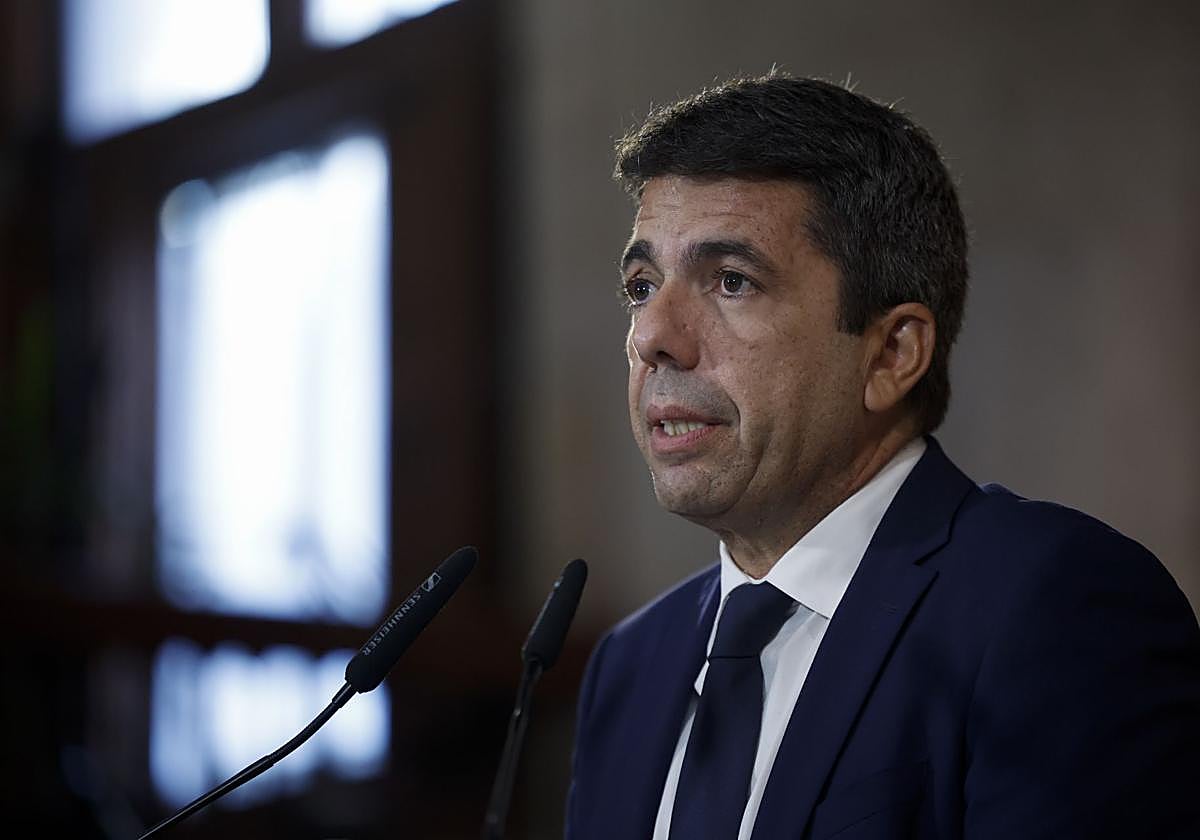
Just as a coerced apology doesn't mean much, a resignation one year after the events that supposedly triggered it seems worthless. My initial reaction to Carlos Mazón's departure was, I'm sure, shared by many people across the country. "Good, he's finally gone," I thought, "Albeit a year too late". It felt as if justice had been served, that the culprit had been charged in the court of public opinion and was finally accepting his punishment, in this case a ruined career. But upon reflection, this reaction started to seem unjustified.
Mazón's resignation over last October's floods raises questions about how blame should be distributed after a natural catastrophe.
Given that a complex nexus of factors contributed to the scale of last autumn's disaster, we must also consider which causes should be elevated above which others.
Such considerations lead to one conclusion: that Mazón shouldn't be the only one to go, or at least that others should have resigned in the floods' immediate aftermath.
Perhaps Mazón was right to cling on to office for as long as he did. He bears some responsibility, of course, and I sympathise with the people who shouted insults at him during the victims' memorial service. But it's absurd to claim that he single-handedly 'caused' all the deaths and destruction.
He's an incompetent politician, not a calculating monster. Mazón probably thought that if he resigned and nobody else did, it would look like an admission that he alone was guilty. Understandably, he was reluctant to do so.
Aside from torrential rainfall that would have caused havoc in any circumstances, all of the following factors contributed to the disaster in Valencia last October.
The central government's cancellation of a plan to channel the Poyo ravine several years ago; lack of preventative infrastructure in general; poor communication between the central and Valencian administrations; Mazón's four-hour lunch with a journalist; the Valencian government's failure to heed repeated warnings about lethal floods; and Pedro Sánchez's refusal to seize control of the recovery effort.
Sánchez's defence rests on the disingenuous claim that he was waiting for Valencia's government to ask for help, which it didn't until it was too late. Why, then, did he not wait around for such requests during the pandemic?
As we saw then, the Spanish government has the power to seize control from regional administrations in times of crisis. Sánchez chose not to last October. This means that he, like Mazón, is partly responsible and should also resign. So probably should several other members of the central and Valencian governments - although Teresa Ribera, the former minister for the ecological transition and another culprit, is now untouchable in her new role at the EU.
Mazón's resignation might have satisfied the need for a scapegoat. But all the other culprits got away with it.
![[]](http://static.vocstatic.com/voc26/latest/assets/images/favicon/surinenglish/apple-touch-icon-57x57.png)