
The Euro Zone
Swiss retreat
Columnist Mark Nayler comments on the meeting at the World Economic Forum in Switzerland
Mark Nayler
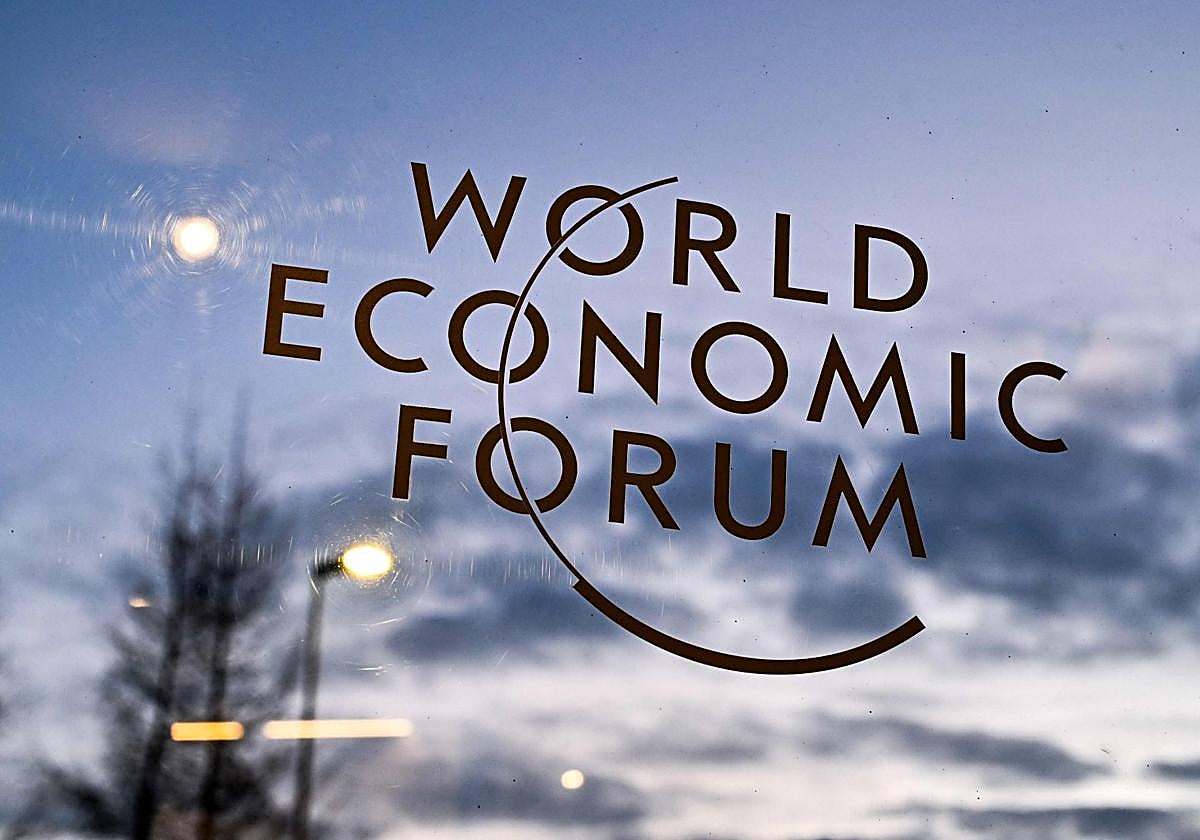
Almost a year since the EU last discussed a joint military force, the idea has been revived again in reaction to Donald Trump's belligerence over Greenland. Speaking to reporters this week at the World Economic Forum (WEF) in Davos, Switzerland, one of the cushiest fixtures on the diplomatic calendar, Spain's foreign minister José Manuel Albares said that a "joint effort would be more effective than 27 separate national armies".
Albares was Spain's most senior representative at the mountain-top retreat for global leaders, CEOs and bankers, now in its 56th year. Pedro Sánchez was due to give a speech to this exclusive audience on Wednesday evening, but cancelled after last Sunday's train crash in Cordoba.
The Spanish premier also endorses the idea of a joint European fighting force. Last March, he said that the bloc needed an army "with troops from all 27 member countries, working under a single flag with the same objectives" to counter the Russian threat, potentially with reduced US support. Kaja Kallas, the EU's High Representative for Foreign Affairs and Security Policy, disagreed, claiming that European nations can "effectively work together to deter [their] rivals".
First discussed almost 80 years ago, the idea of a European army has always proved divisive, which in itself undermines Spain's claim that it would be more streamlined than 27 separate military units. Albares has floated the idea again, despite Trump's assurance in his Davos speech that he wouldn't use "excessive force" in taking Greenland, and that he had worked out the "framework" of a deal over the Arctic country in a meeting with Nato chief Mark Rutte.
Ironically, that meeting highlighted what critics of the WEF's annual conference see as its biggest flaw: its exclusivity. On this view, several thousand pampered plutocrats get together in an alpine resort to formulate global policy. Ahead of this year's edition, around 600 protesters participated in a two-day march to Davos, many of whom held banners that called for "Democracy rather than WEF dictatorship".
For some of the delegates in Davos, Trump's meeting with Rutte was indicative of the arrogance that can characterise diplomacy in the Swiss mountains. Sascha Faxe, a Danish politician, said that no "real negotiations" had taken place: "It's [just] two men who have had a conversation." Aaja Chemnitz, a Greenlandic member of the Danish parliament, was also angered that Greenland had been excluded from that conversation. "Nato in no case has the right to negotiate on anything without us," she said.
Nothing definite was decided at this week's Davos conference, either as regards an EU army or Trump's intentions towards Greenland. That won't provide much assurance to Greenlandic or Danish politicians, but it does prove some of the protesters wrong. If the WEF is a global dictatorship, it's an incredibly ineffective one.
![[]](http://static.vocstatic.com/voc26/latest/assets/images/favicon/surinenglish/apple-touch-icon-57x57.png)