
The Bottom Line
Another set of statistics
Columnist Jennie Rhodes asks why, on another International Women's Day, the statistics remain grim and the political response rings hollow
Jennie Rhodes
Another International Women's Day, another set of statistics: the pay gap between men and women and the number of women murdered at the hands of their partner or ex-partner. In case you were wondering, the pay gap in Spain stands at 25.9 per cent - a mighty 0.4 per cent lower than 2025.
A chilling headline at the end of 2025 read that Malaga was "the Spanish province with the highest number of women killed by gender-based violence" that year. So far this year in Spain there have been nine, three of which have been in Andalucía and eight were ex-partners. One of them was the British mum Victoria Hart, in Malaga province. Plus ça change.
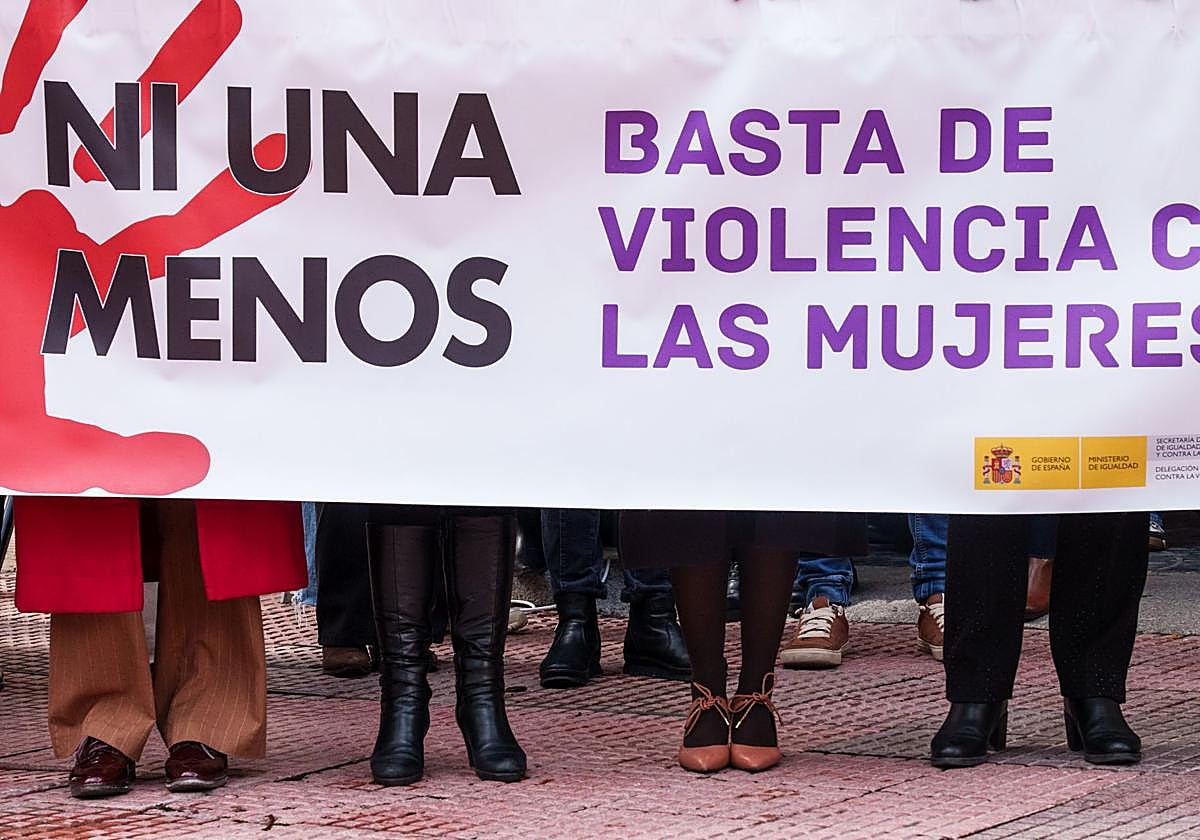
Every time a woman is murdered at the hands of her (ex) partner, TV presenters parrot the words "Zero tolerance against gender-based violence" after the news item. Similarly politicians trot out of public buildings for a minute's silence, followed by a nervous round of applause for the victim; the perfect excuse for a photo opportunity.
A report published in February by the Barómetro Juventud y Género (youth and gender barometer) suggested that only 38% of Spaniards aged 15 to 29 identify as feminists and almost half (46%) reject the movement. It represents a 24% drop in support since 2021. The same report revealed that 23.1% of Spanish men aged between 15 and 29 claim that gender-based violence in relationships does not exist and that it is merely an "ideological invention".
And the latest debate to be sparked by right-wing parties in Spain, which has reached parliament and town halls in recent weeks, is whether to allow Muslim women to wear either the burka or niqab in public spaces. Spain is not the first country in Europe to debate the issue.
Writing in Diario SUR this week, Cristina Vallejo referred to a report published by Cambridge University Press which demonstrated that far from liberating women, such a ban simply means fewer women leaving their houses and engaging in society.
The theme of this year's UN International Women's Day is Rights. Justice. Action. For ALL Women and Girls. Rather than trotting out onto the steps of public buildings every time a woman is murdered, how about politicians from all sides going out to speak to the community/ies they serve to see what would actually help them feel heard?
From the women threatened by their (ex) partners, to those earning 26% less than the males in their families, the youth who deny gender-based violence and the Muslim women who may only feel that they can leave their homes if their faces are covered? We can only hope that next year's statistics show that rights, justice and action are actually bearing fruit.
![[]](http://static.vocstatic.com/voc26/latest/assets/images/favicon/surinenglish/apple-touch-icon-57x57.png)