
Opinion
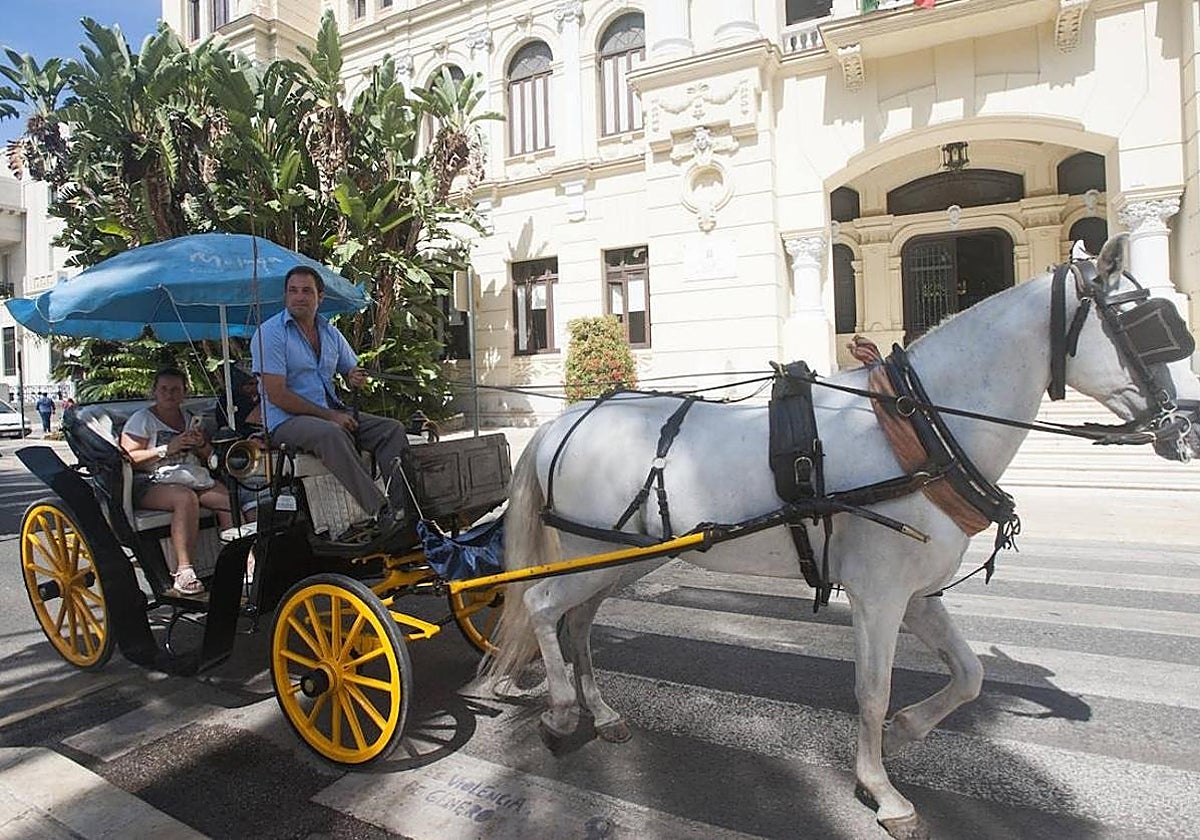
End of the road for horse-drawn carriage rides for tourists in Malaga city: is it the right decision?
Some of the owners of the horses say the service was still in great demand, while also claiming that the council’s decision was not really due to concerns about the welfare of the animals

Malaga
The recent ban on horse-drawn carriages for tourists in Malaga city, which came into force on 6 October, has been introduced, according to the city council, “with the welfare and safety of the animals in mind”. Mayor of Malaga, Francisco de la Torre, claimed that stopping the long-established tradition was “the right decision” given the long-running protests from animal welfare groups, which claim a society is more advanced the better it treats its animals.
This measure has been brought forward by a whole decade, as it was initially planned for 2035. The council said the revocation of the remaining 25 licences has been determined by the incompatibility of the horse carriage ride service with the development of the city under conditions of safety and health, both for road users and for the animals themselves. This revocation entails compensation to licence holders, which amounts to 125,380.48 euros, a figure far less than what most of the owners of this service claim they could earn in a ten-year period.
Related stories
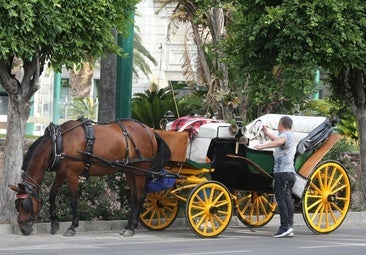
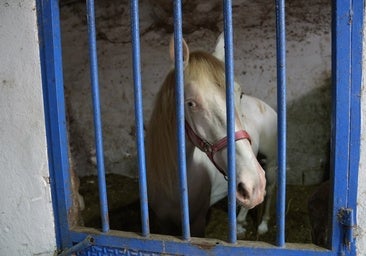
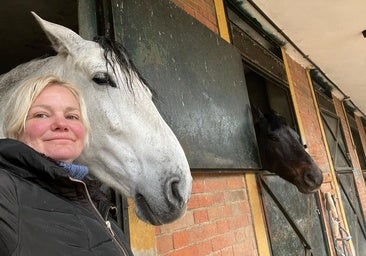
Some of the owners of the horses say the service was still in great demand by tourists and that it was certainly the most typical of the city centre. They believe that the council’s decision is not really due to concerns about the welfare of the animals. This is understandable when one considers that De la Torre defended the ban by saying Malaga is moving towards becoming a true 21st-century city and breaking away from the 19th century - even though Malaga still hosts bullfights during Semana Santa and the August fair.
The ban, however, was welcomed by animal rights party Pacma, who described the service as “cruel and obsolete”.
Thrilling experience
British tourist, Linda Downey, who has “enjoyed” many holidays on the Costa del Sol, said she didn’t understand why Malaga has stopped “such an attractive tourist pastime”.
“We have visited Malaga on many occasions. Just last year, we visited with our grandchildren and we took them on a carriage tour of Malaga. They were thrilled by the experience. It’s a shame that this is no longer possible, especially when Malaga still promotes bullfighting,” she told SUR in English.
It is not only the city centre tourist transport that has come under fire this summer, as protests demanding the end of the Mijas donkey-taxi service have also taken place, with animal rights activists describing the activity as “institutionalised animal cruelty”. This row is still brewing because some see this practice, as with the horse-drawn carriages, as a form of animal abuse and openly reject it.
Regarding the welfare of the horses, one owner told SUR earlier this year, "The horses are very well cared for because it is our way of life; they have food every day, clean bedding and all their vaccinations are in order. Additionally, we rotate them daily so that they can rest and are not tired."
Aside from losing from the city’s streets these iconic, pristine carriages, tourists will also miss the knowledge of the city and its sites that the drivers of these coaches offered during the tour, which was highlighted by one visitor who enjoyed this service shortly before the ban came into effect.
“We had a very informative driver who gave us an enjoyable memory,” he said, although he pointed out that he “did not like the idea of horses working during intense heat”.
Sustainable transport options
In a video posted on his social media page, the mayor said, “Malaga has evolved and now there are many sustainable ways of getting around the city.” There is already growing concern about the number of electric scooters in the city centre streets, which has forced the council to introduce laws to restrict them. The proposal to replace the horse-drawn carriages that took visitors on tours around key attractions with electric tuk tuks will surely add to this problem.
The main question since the ban came into force is what will happen with the horses. Some owners warned that, due to the lack of spaces and the high costs of maintenance, the animals might end up being slaughtered. The mayor, however, suggested that the animals could be integrated into some of the equestrian or riding centres in the city. "It is not the same as making the animal work long hours in the sun," he claimed.
For centuries, working animals served as a primary source of power and were an essential part of everyday life - not just in Spain, but also across Britain’s streets, fields, and workplaces. Horses, in particular, played a crucial role in agriculture, transportation, mining, and even warfare, not to mention in sports like horse racing, show jumping and polo - sports which some may believe are more likely to cause injury or harm to the animal than a simple trot through the streets of an Andalusian city.
Still popular in other Andalusian destinations
Although there are plans to end this service in Marbella in the next 20 years, the town submitted proposals this year for new rules and regulations concerning horse-drawn carriages, which are still a popular tourist attraction in the Costa del Sol town. The new by-law aims to ensure animal well-being, including no whipping, two hours of rest during an eight-hour day, proper care for the animals and regular veterinary check-ups.
Related story
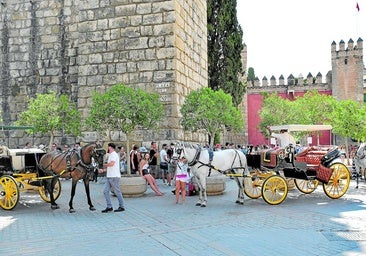
Seville’s city council recently distanced itself from the measure taken in Malaga city and is currently studying the modification of the bye-laws in collaboration with the owners of these working horses and the college of veterinarians.
One may wonder why the horse-drawn carriages that parade the fairground during Malaga’s August feria - when temperatures are at their highest - are not included in a new law that is centred on animal welfare and safety. It seems unfair that the people who have for decades made their living from this service are singled out, as surely their horses are just as well respected as those that engage in leisure activities in Malaga, and the ones used by the police that regulate them.
![[]](http://static.vocstatic.com/voc26/latest/assets/images/favicon/surinenglish/apple-touch-icon-57x57.png)