
Too little, too late
No real action is being taken against preventable wildfires in Spain despite tragedies occuring every year, writes Denise Bush
Denise Bush
Malaga
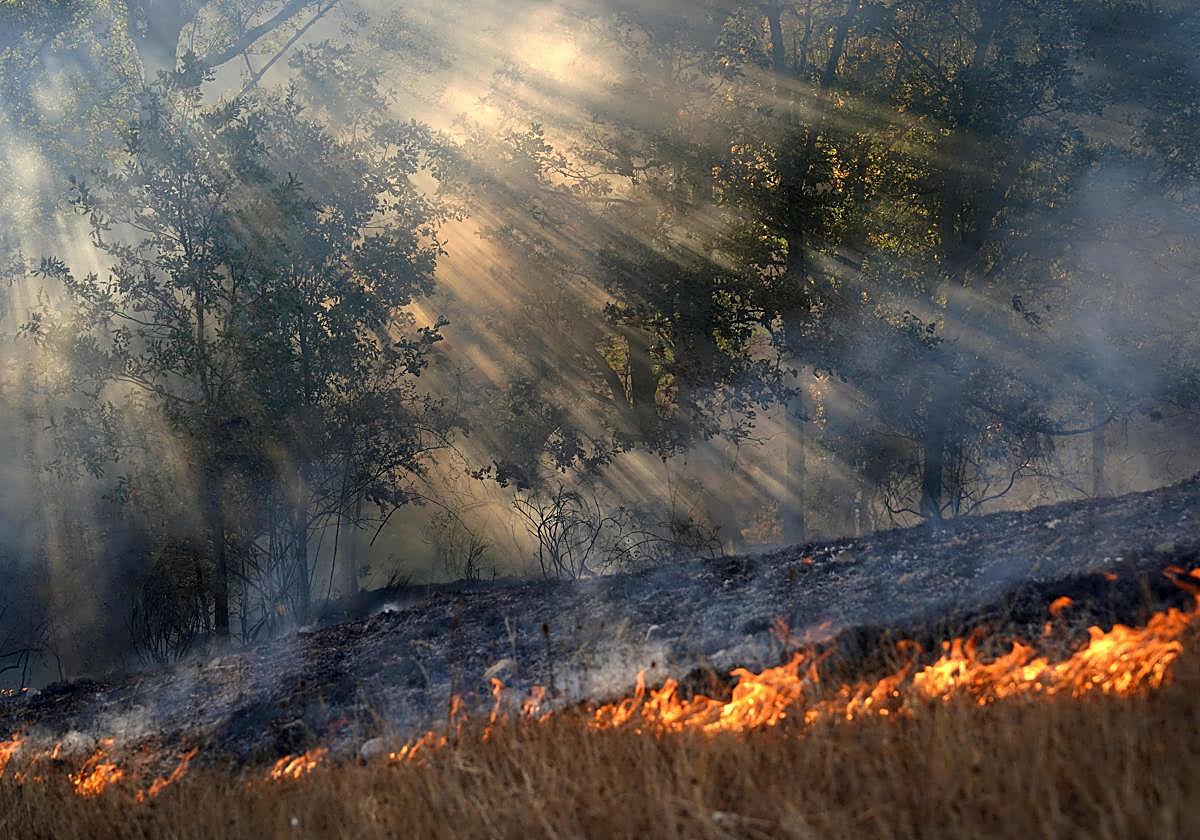
Every summer, the same tragic script unfolds across Spain. Devastating wildfires tear through communities, destroying homes, wildlife and livelihoods while emergency services scramble to contain the damage. And every autumn, as the smoke clears and the statistics are tallied, we're left asking the same question: why weren't we better prepared?
The recent vegetation clearing along sections of the A45 north of Malaga represents a perfect example of Spain's reactive rather than proactive approach to fire prevention. This work should have been completed months ago, ideally in early spring when conditions were cooler, safer and the fire risk lower. Instead, workers are tackling the task now as temperatures look to rise again and drought conditions persist across the region.
What makes this situation even more frustrating is the selective nature of the clearing operations. While certain stretches of the motorway receive attention, other equally dangerous areas remain untouched. Take the slip road near my home - a narrow rural junction where overgrown bushes have been steadily encroaching for months, reducing the roadway to barely a car's width. This creates a perfect fire corridor, yet it appears to have been overlooked entirely by the current clearing programme.
Another factor that seems to be overlooked is picking up and removing the chopped down vegetation, in many cases it has already spent a whole month lying in situ at the side of the road and drying to a tinder.
The pattern is depressingly familiar. Each year, local authorities promise improved fire prevention measures following the latest disaster. Budgets are allocated, plans are drawn up and press releases are issued.
But when spring arrives and the critical window for safe vegetation management opens, other priorities seem to take precedence.
Tourist preparations and municipal projects all appear to rank higher than the unglamorous but essential work of brush clearing and general road maintenance.
This isn't just about inefficient bureaucracy - it's about public safety. Every overgrown verge littered with, well, litter; every overgrown and neglected slip road; every uncleared drainage ditch represents a potential disaster waiting to happen. Just one carelessly tossed lit fag end and the whole countryside goes up.
The cost of prevention is always lower than the price of reconstruction, both financially and in human terms.
Until authorities learn to think beyond the current fire season and start preparing for the next one while the ashes are still cooling, we'll continue to see the same preventable tragedies year after year.
![[]](http://static.vocstatic.com/voc26/latest/assets/images/favicon/surinenglish/apple-touch-icon-57x57.png)