
The Bottom Line opinion
Christmas consumerism
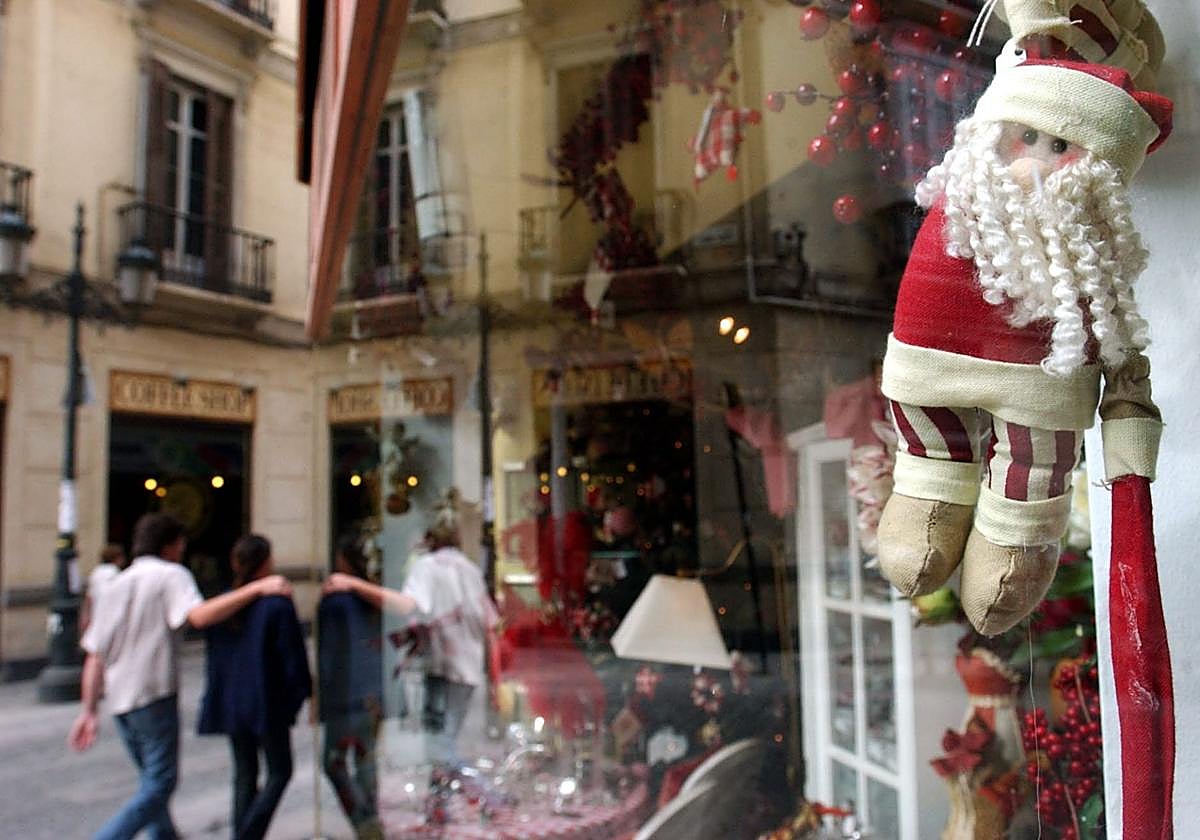
Sometimes, shops won't even give you the courtesy of waiting until Halloween is over to start promoting all things Santa Claus, so you're forced to believe that maybe Christmas does actually start at the end of October
Anya Soares
Surely you've noticed how every year, Christmas seems to be creeping forward earlier and earlier. It starts with a whisper, quietly, skeleton masks and cobwebs are taken down and shelves are restocked with Santa hats, chocolates, baubles... and even more chocolates. Sometimes, shops won't even give you the courtesy of waiting until Halloween is over to start promoting all things Santa Claus, so you're forced to believe that maybe Christmas does actually start at the end of October.
What's more is the sudden surge of holiday-themed discount deals online to keep you occupied right after Black Friday (which according to Amazon doesn't last a day but a week). Well, one could argue that this makes Christmas shopping better - it's cheaper, quicker, and you can get the whole ordeal out of the way in the first week of December instead of panic buying presents for your entire family on 23 December. Or even Christmas Eve (if you're as disorganised as I am).
Buy, buy, buy: what does consumerism do to the Christmas spirit? Or culture? Take Spain, for instance. Traditionally 'Nochebuena', (Christmas Eve) is the most important night of celebration before the end of the year. Families will prepare their dinner, a feast for the eyes that varies per household, but typically features dishes such as a jamón, seafood, roast suckling pig, fish and possibly a stuffed turkey.
At midnight, they may exchange a symbolic present, but it's on Three King's Day, that falls on the 6 January, where the real festivities and gift-giving happens. Nowadays, you could argue that Christmas in Spain happens twice, once on the commercial 25 December and again on the 6 January, which is great - well, especially for kids who love getting presents - but what happens to families who can't afford Christmas twice a year?
However, this isn't a phenomenon unique to Spain. Consumerism strips away the gratitude we're meant to feel during the festive season and in its place comes resentment when we don't get exactly what we want. Although this feeling is partially natural - I want to feel like I'm known by the people closest to me, so no, I will not be taking a new toothbrush as a token of thoughtful appreciation, because instead I'll spend Christmas morning worried that I secretly have bad breath! But maybe, just maybe, something can be said about how consumerism makes us feel like we have to buy our loved ones the world so that they can be happy.
Maybe the best way to tackle this holiday is to slow down and remember the cliché saying "it's the thought that counts", because maybe it is.
![[]](http://static.vocstatic.com/voc26/latest/assets/images/favicon/surinenglish/apple-touch-icon-57x57.png)