
Opinion
Spanish dubbing culture: how Franco’s legacy shaped the way Spain watches movies
As audiences in Malaga still struggle to find original version (VO) films, we explore how a history of censorship transformed into a modern debate over authenticity and accessibility
Anita Katsarska
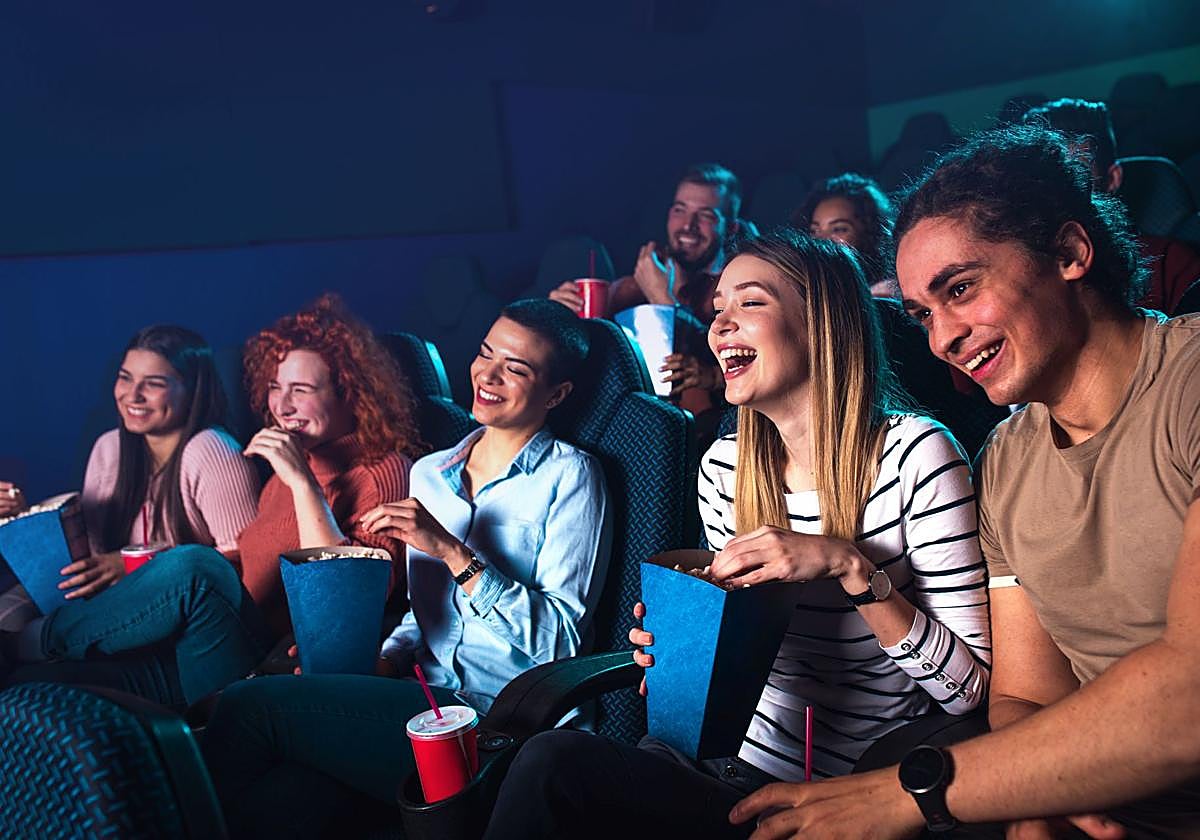
To yearn for subtitles was something I had never experienced, until I moved to Spain and struggled to fit my schedule around going to the cinema on the one day of the week (Tuesdays in Malaga city) when I could watch the original version of films. Luckily, we have cine Albéniz, which honours motion pictures in their birthday suit, but big cinema chains usually welcome their customers with popcorn, a soft drink and a dubbed film.
When I first encountered this hallmark of the Spanish film distribution industry, as an Eastern European raised on subtitles, I furrowed my brow in confusion. Apart from the odd Disney film, Harry Potter 1 & 2 or daytime television series, watching the original version has always been the norm for me.
Yes, usually films from the UK or the States. It could sound presumptuous from a native speaker, but from someone who learned English as a second language it seems reasonable to acknowledge that English is today’s Esperanto and Hollywood is, for better or worse, the red-nose reindeer at the front of the motion picture sleigh.
Films and music are the safest exposure to English. Those learning it can actively listen, while others can relax and let the sneaky parts of the brain take care of passive learning. Regardless of whether one needs foreign languages in their daily life, language skills are inherently good: they support comprehension, cognitive skills and even strengthen the empathy muscle. It just so happens that English dominates business and entertainment.
The story of how the vast dubbing industry was established in Spain is a variation of the theme that repeats in authoritarian systems: coup, bad boy comes in, opens his bleeding wounds over an entire nation and decides that the way to make people trust him is to present them with only one version of the world, so he slashes the tyres of everyone who tries to travel abroad and bring a fresh perspective.
During Franco’s dictatorship, language was a powerful tool, but instead of opening outwards, to other cultures, it closed inwards, establishing hegemony of the native language for propaganda purposes. Disguised as heritage preservation, it limited people’s chance of understanding the world and, potentially, wanting something different than the only offered option.
This tactic is no stranger to other cultures, but the focus can be different. During Bulgaria’s communist regime, the powers that be promoted local cinema and controlled what films entered from the West and what scenes were shown. Then, the Berlin Wall fell, the republics of the USSR stopped being strung end to end and democracy filled the holes in the film strip, so my grandmother had to manually cover my eyes during nude scenes.
Franco didn’t have to worry. Even with him out of the picture, Spain has preserved its beautifully rich language and dubbed cinema is still the widely preferred way of watching films. In all honesty, I find this resistance to original versions strange. I want my original Hugh Grant to awkwardly trip over his words and the scratch in Meryl Streep’s voice to give me the impression that she wouldn’t say ‘no’ to an Alhambra Verde and karaoke. Call it a foundation for parasocial relationships, but the original version of a film gives me much more than the plot. It brings the characters to my living room.
At the same time, with enough humility, one sees that dubbing is a form of art in itself - spectators wait to witness a specific dubbing actor’s voice interpret the story. The dubbing industry functions thanks to trained professionals who provide a service that society seeks.
The broader issue is: does dubbing silence the outside world? Does the comfort of watching in your language hinder your ability to contemplate beyond borders and connect with foreigners? Does it isolate you as a passive spectator instead of helping you be an active participant in international exchange?
Art connoisseurs are flawed by snobbery, allowing access only to the ‘worthy’ ones, those who have spent hours learning about the object of adoration. They seek authenticity, convinced that they are in the mind of the author only when they drink from the source. Similar judgement applies to dubbed films, but what committed viewers fail to take into consideration is that not everyone wants to be a connoisseur.
What’s even more important to understand is that not everyone watches with the same level of comprehension, physical and reading capabilities. Dubbing makes cinema more widely accessible, instead of discriminating against age, class, education and taste. Let’s not forget that it was working class audiences that crowded cinemas in the industry’s earliest days.
Going back a little bit, if we argue that a dubbed film is diminished by losing the actor’s original voice, where do we decide to stop measuring authenticity? The same question could be posed for literature: is a book read in translation incomplete.
If we chase purity too far, we stumble upon the perennial can of worms in art: can the consumer freely interpret? Franco didn’t think so, but maybe dubbing has been reclaimed by democratic Spain as a form of freedom - to perform, read, listen to or watch a piece of work with the aim of truly enjoying entertainment, without seeking some high artistic value or, conversely, by finding value in the way it fits into your culture.
But please, Spanish film distributors, for the love of Hollywood, add some original versions on more than one day. Asking for a local friend.
![[]](http://static.vocstatic.com/voc26/latest/assets/images/favicon/surinenglish/apple-touch-icon-57x57.png)