
Wildlife
Why storks are swapping Africa for Malaga’s ring road
Warm streetlights and a steady food supply at the Los Ruices landfill have led to a 300% increase in wintering storks along the city's busy roads

Málaga
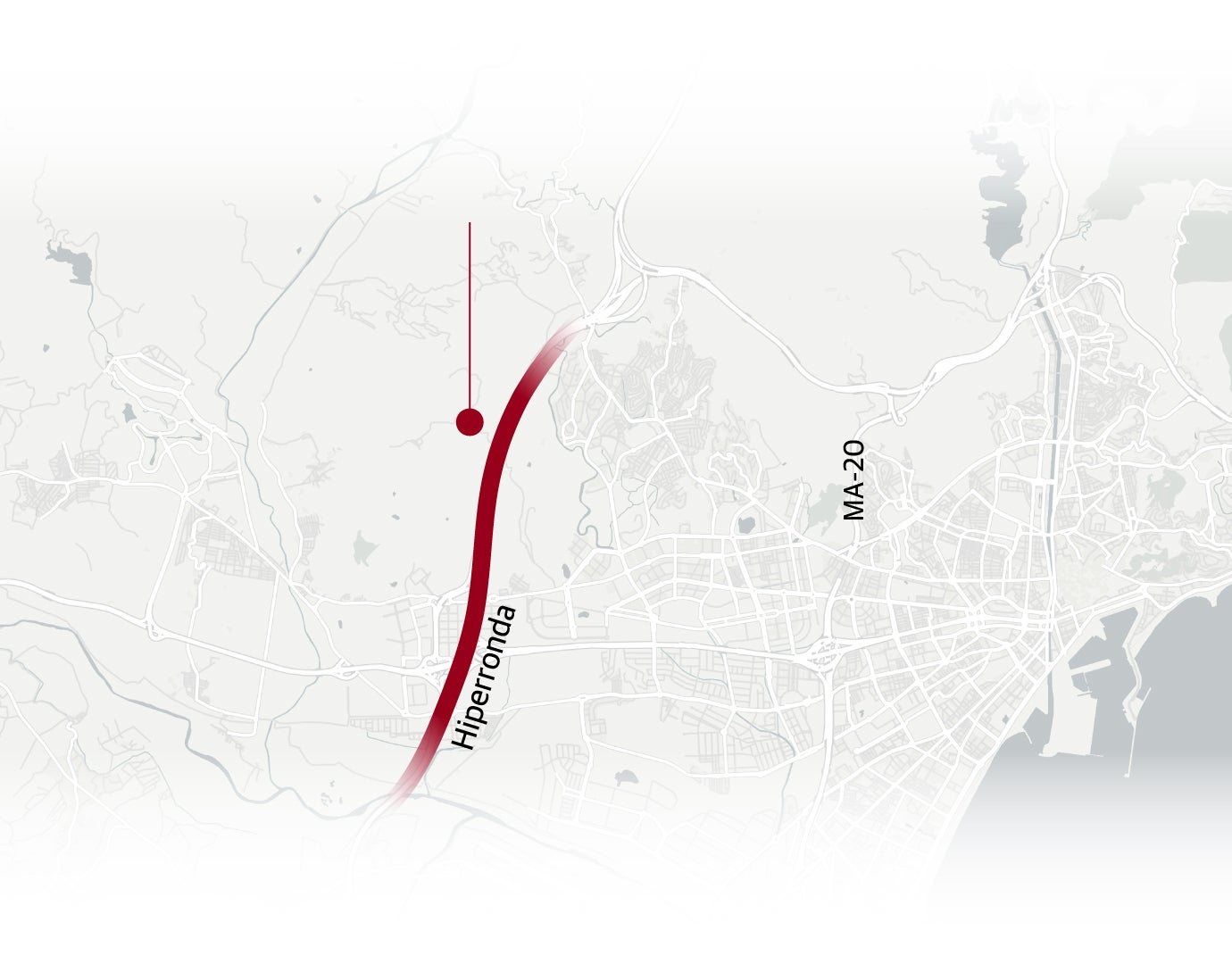
For weeks, the towering lampposts of Malaga’s Hiperronda ring road have hosted some unexpected tenants.
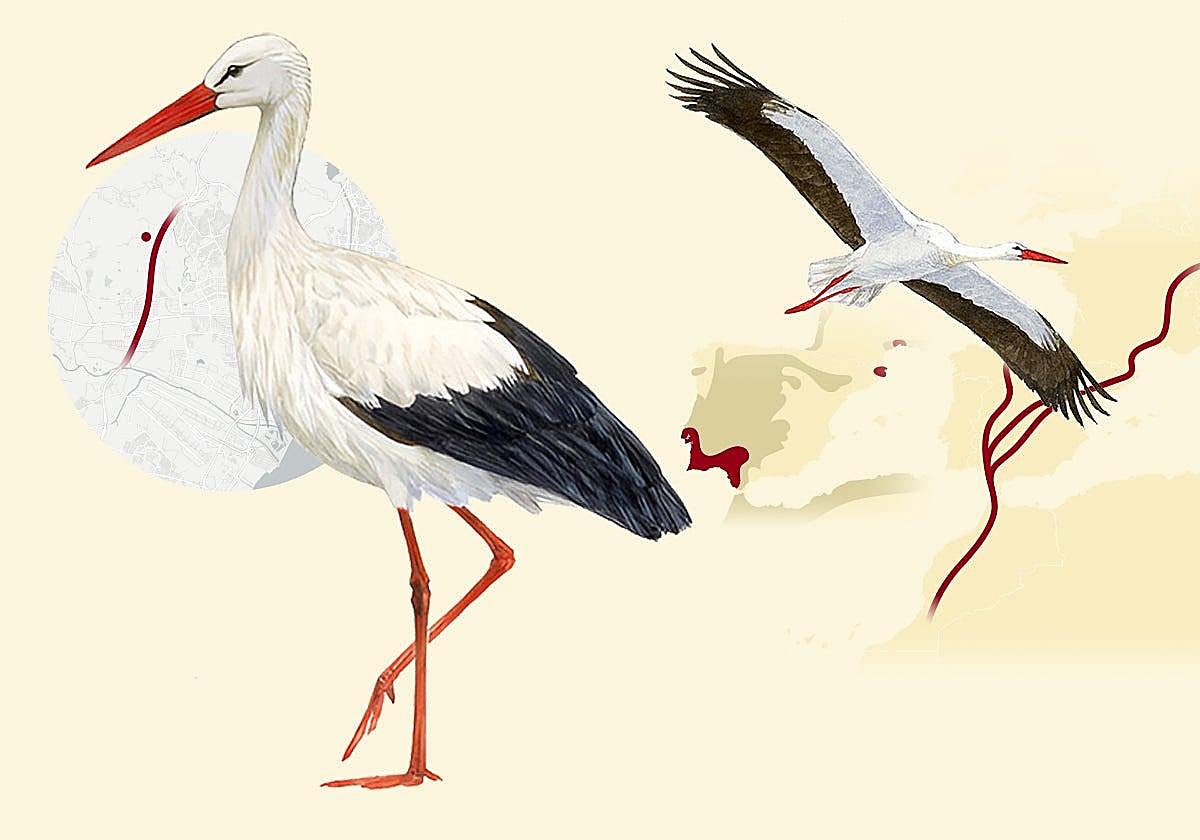
These high-capacity motorway structures have become the ideal nocturnal perch for dozens of storks, creating a striking sight for drivers as the birds silhouetted against the dusk.
The phenomenon is quite new in a city more accustomed to pigeons and seagulls, but it has a simple explanation: abundant and accessible food; water nearby and an increasingly mild winter.
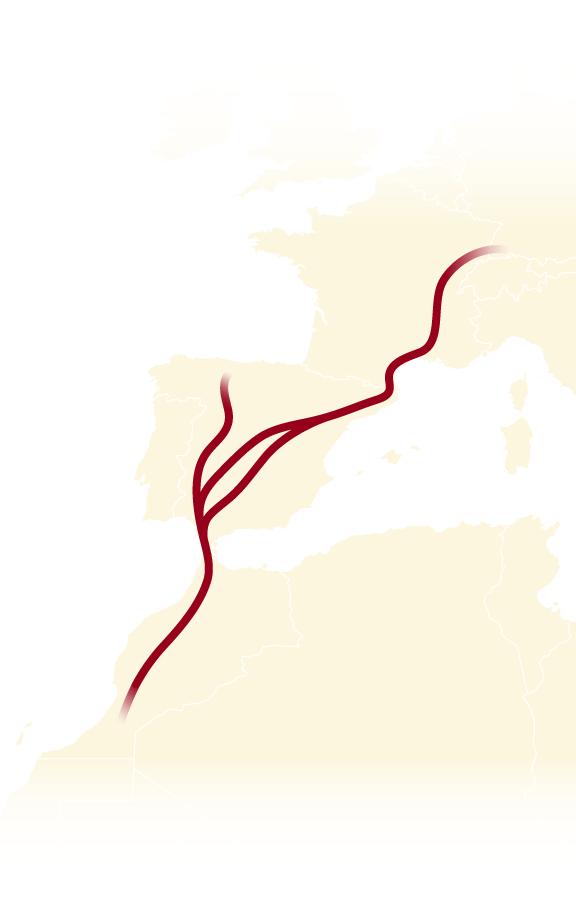
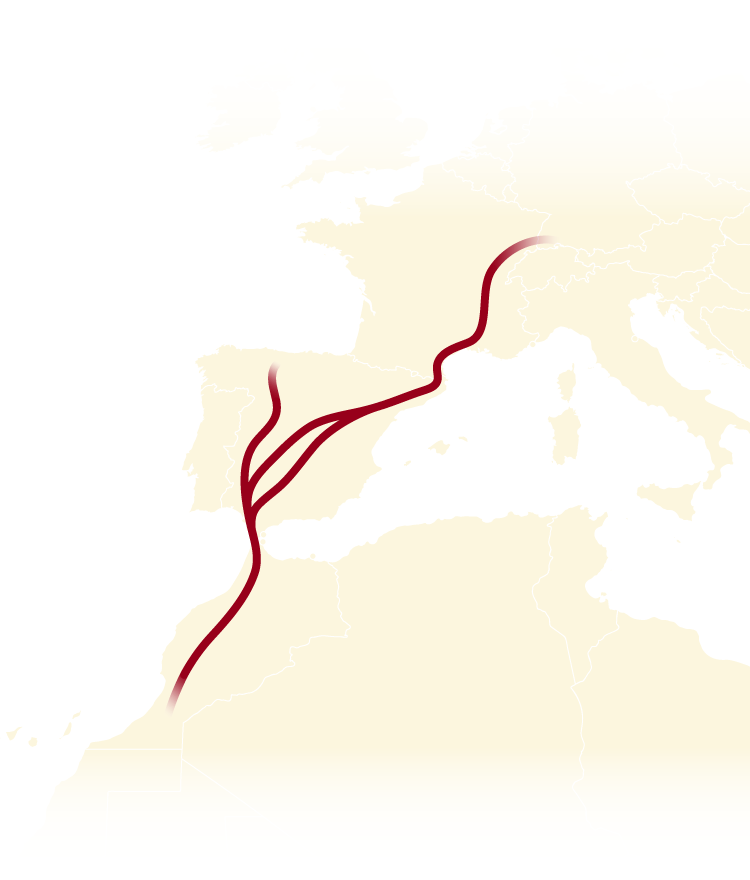
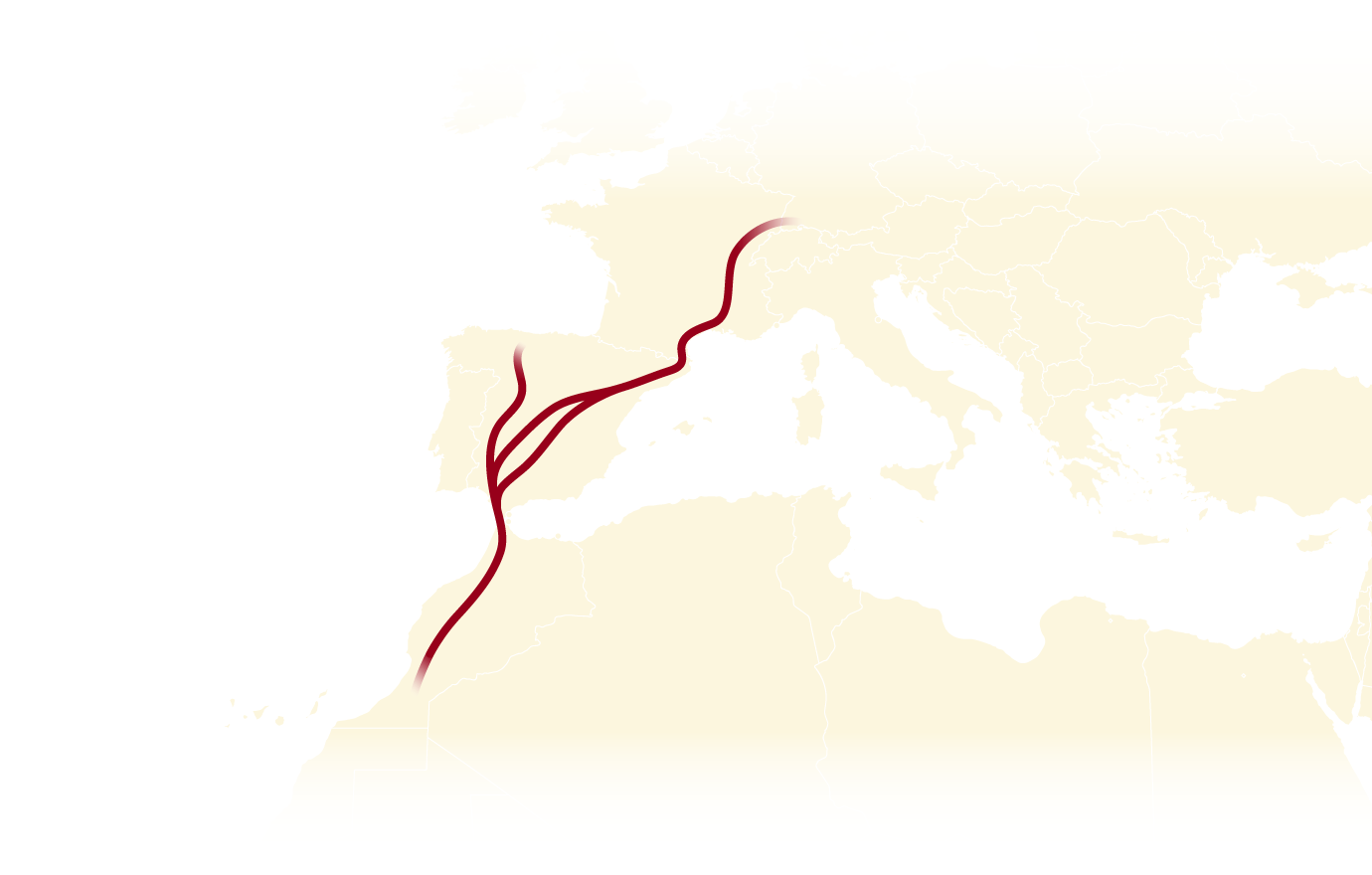
Antonio Román Muñoz Gallego, an ornithologist at the University of Málaga (UMA), is studying this phenomenon, and admits that it is quite new. "Until three decades ago, practically all European storks migrated to sub-Saharan Africa. Today, more and more of them are staying."
The migratory route
of the white stork
Central Europe
Spain
Africa
Source: SEO Birdlife
ENCARNI HINOJOSA
The migratory route of the white stork
Central Europe
Spain
Africa
Source: SEO Birdlife
ENCARNI HINOJOSA
The migratory route of the white stork
Central Europe
Spain
Africa
Source: SEO Birdlife
ENCARNI HINOJOSA
In recent years, the change has been rapid and evident. The researcher recalls that just three winters ago, the group of storks that stayed in this area did not exceed 30 specimens. This year, since last September, between 100 and 125 storks have been counted, with an average of around 115 individuals. "These numbers have tripled in a very short time".
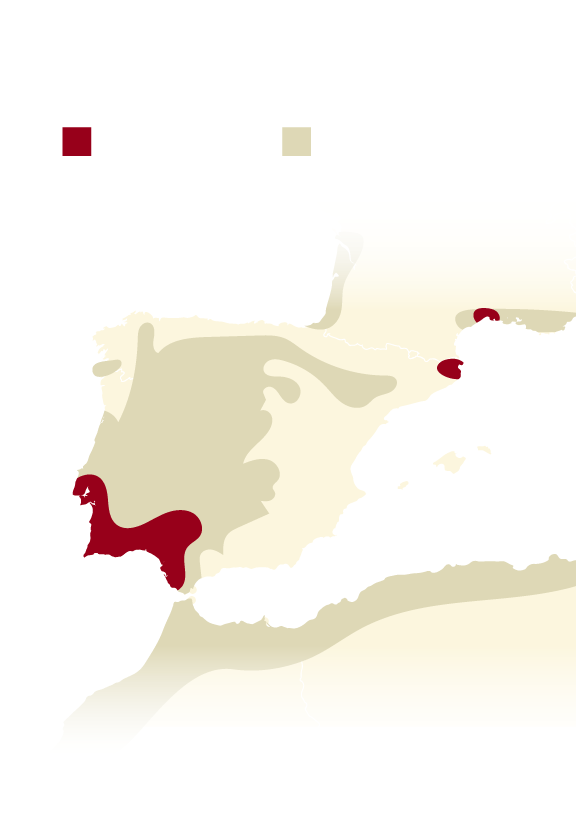
Presence of the white stork
in mainland Spain
Summer season
Resident
Málaga
Source: SEO Birdlife
ENCARNI HINOJOSA
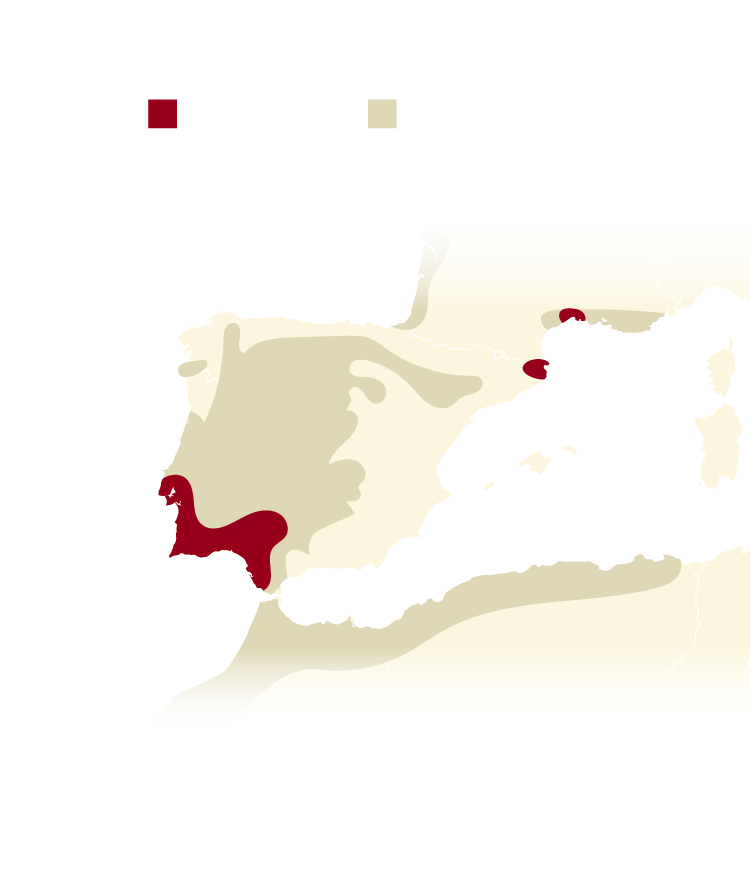
Presence of the white stork in mainland Spain
Summer season
Resident
Málaga
Source: SEO Birdlife
ENCARNI HINOJOSA
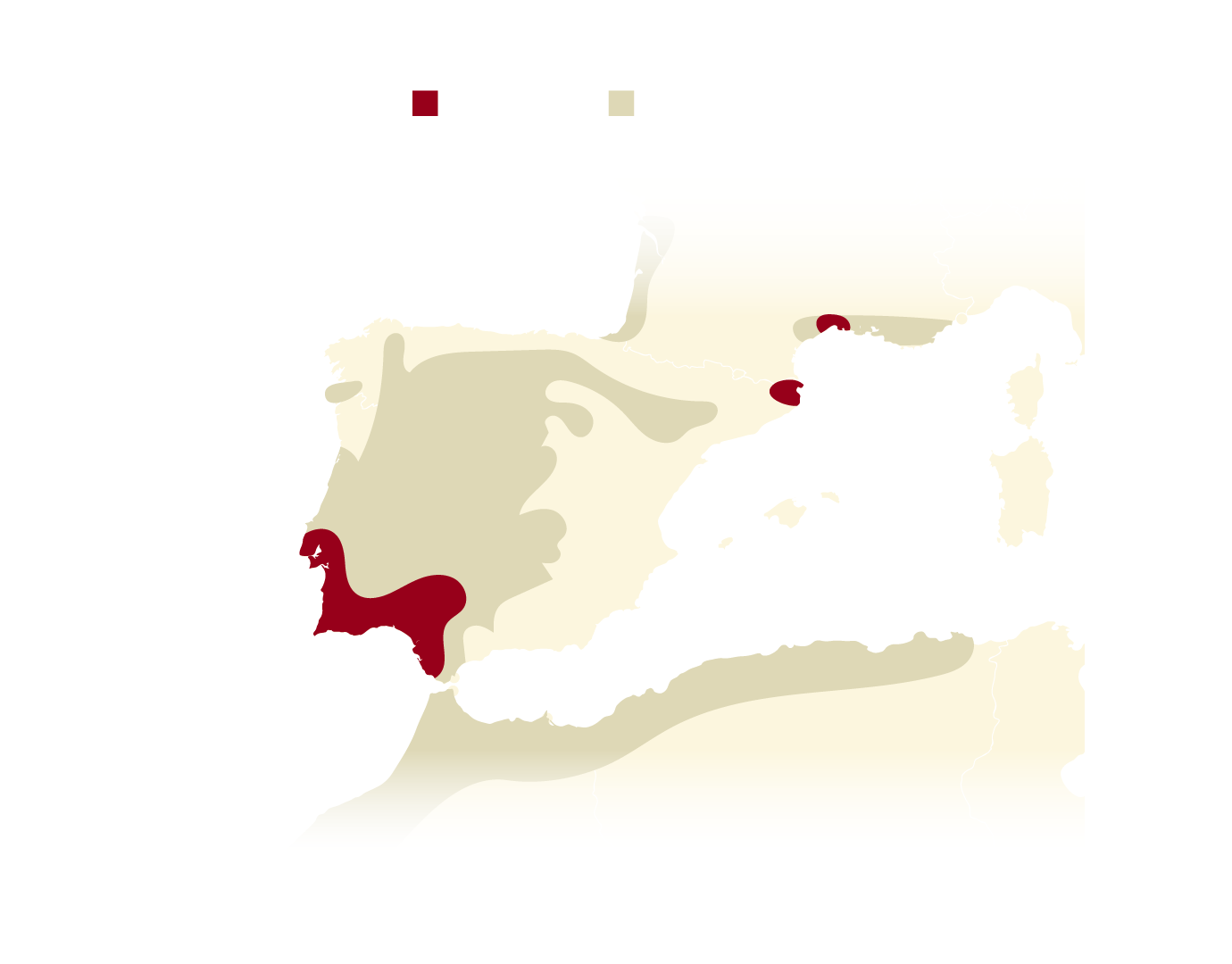
Presence of the white stork in mainland Spain
Summer season
Resident
Málaga
Source: SEO Birdlife
ENCARNI HINOJOSA
The landfill, a major attraction
And those are only the ones that live there long-term, because there are many more in transit. During the last census of wintering birds, carried out by the scientist and his team on 21 January, the count inside the Los Ruices landfill reached 548 storks. This is an exceptional number that includes both those that spend the winter in Malaga and migratory groups that stopped over to feed before continuing on to northern Europe.

Presence of the white stork
in Malaga city
Los Ruices
landfill
Puerto de
la Torre
A-357
Source: SEO Birdlife
ENCARNI HINOJOSA
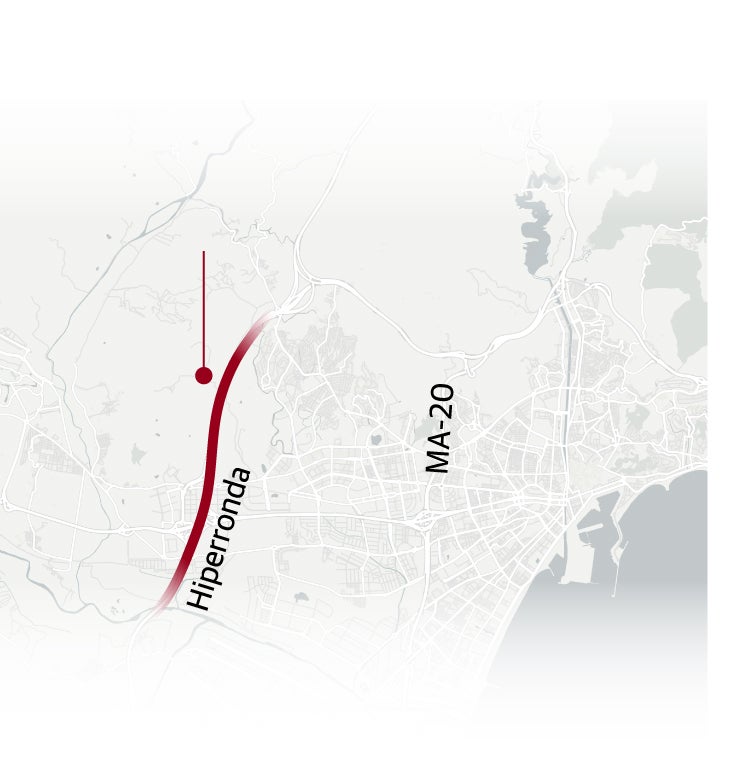
Presence of the white stork
in Malaga city
Los Ruices
landfill
Puerto de
la Torre
A-357
Source: SEO Birdlife
ENCARNI HINOJOSA
Presence of the white stork in Malaga city
Los Ruices
landfill
Puerto de
la Torre
A-357
Source: SEO Birdlife
ENCARNI HINOJOSA
The main reason for this change of habits in a growing group of the birds is the availability of food. "The Los Ruices landfill is the determining factor," says the ornithologist. "They find food there every day. It is a visible source that is maintained over time."

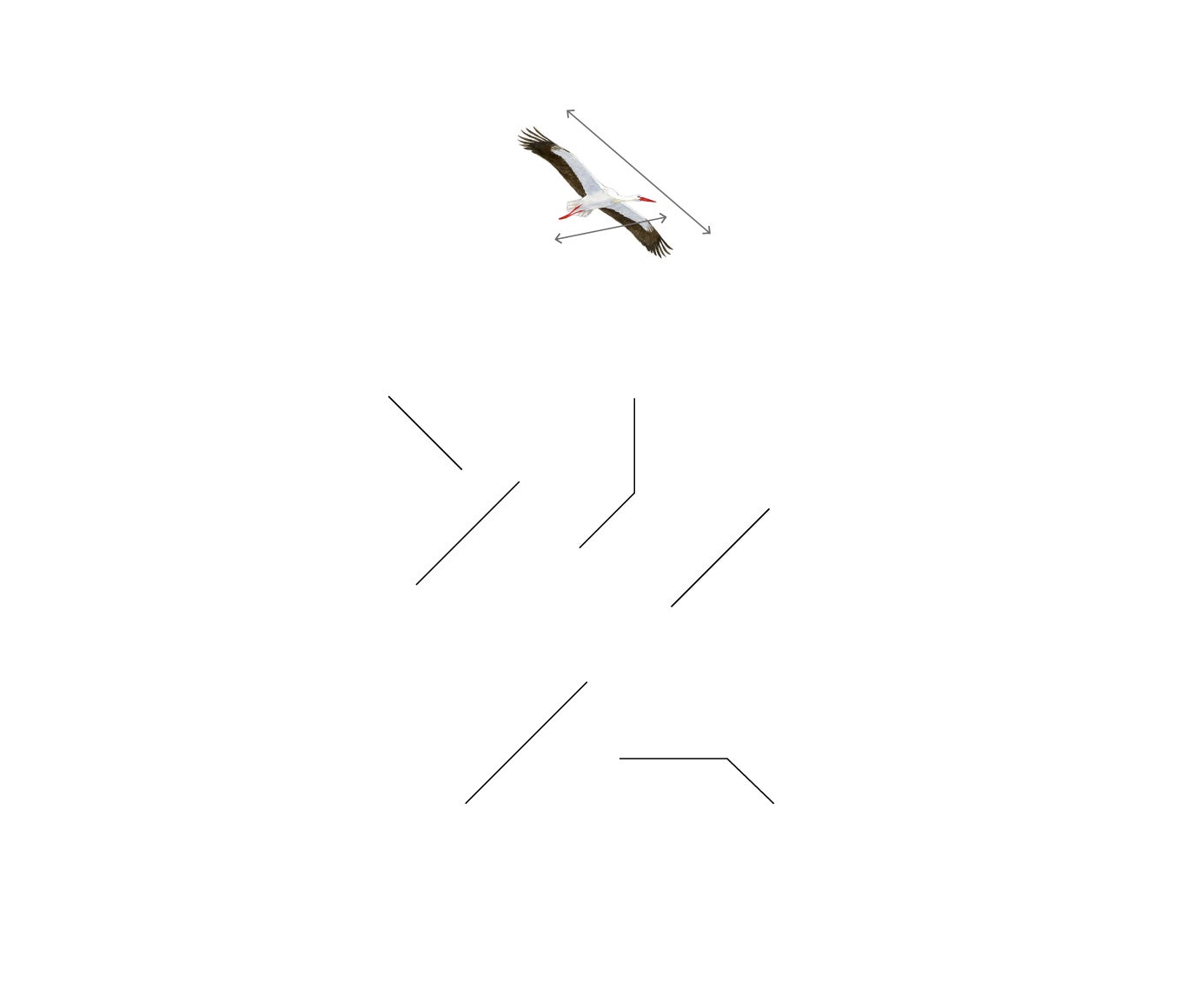
The white stork
180-218 cm
95-110 cm
Long, straight
beak
Wide, long
wings
Long body
Minimal vocal chords
Excessively
long legs
Long toes
Source: SEO Birdlife
ENCARNI HINOJOSA

The white stork
180-218 cm
95-110 cm
Long, straight
beak
Wide, long
wings
Long body
Minimal vocal chords
Excessively
long legs
Long toes
Source: SEO Birdlife
ENCARNI HINOJOSA
The white stork
180-218 cm
95-110 cm
Long straight beak
Wide, long wings
Long body
Minimal vocal chords
Excessively long legs
Long toes
Source: SEO Birdlife
ENCARNI HINOJOSA
In addition, just a short flight from the ring road, the Guadalhorce river guarantees fresh water and quiet resting areas. "It's like an information centre for birds. Storks attract more storks. If a migrating group sees others feeding, they stop, feed and then continue their route."
'Hot' street lamps
One of the most striking aspects of the phenomenon is that many of them choose to spend the night on lampposts along the road. "They choose them because of the heat," explains the expert. "The bulb heats up the structure and the platform is warm. It allows them to keep warm at night."
In fact, only some of the lights on the ring road are lit at night and these are their favourite ones. But only when there is no wind: on stormy days, the birds abandon these perches and take refuge in the area around the Guadalhorce.
From the ring information that has been read, researchers know that many of the storks come from Germany and other central European countries, such as the Netherlands. "They are storks that no longer fly to Africa. They spend the winter in Malaga and, in a few weeks, will return to their breeding quarters in northern Europe."
Climate change or opportunity?
Although climate change may have an influence, Román Muñoz is clear that the main reason is not climate, but food. "Rather than talking about climate change, we are talking about a species that takes advantage of a resource that we put on a plate," he says. Even so, milder winters help. "For a stork, if there is food, the Malaga winter is not cold," he adds.
On the other hand, storks are not very likely to breed in the province at the moment. At present, there are only four or five breeding pairs: in Arriate, Ronda, Antequera, Fuente de Piedra and possibly Alameda. This is due to the lower natural availability of water and amphibians for hunting, compared to other areas such as Extremadura.
However, this situation may change in the medium term. "It is possible that this continued presence could lead to the establishment of a breeding pair in the area around the Guadalhorce river," says the ornithologist, although he qualifies his words: "It is more a wish than a certainty."
What is clear is that the phenomenon is here to stay. "More and more come every year," confirms Antonio Román Muñoz. And the lampposts of the ring road are already used for much more than just lighting up drivers.
![[]](http://static.vocstatic.com/voc26/latest/assets/images/favicon/surinenglish/apple-touch-icon-57x57.png)