
Environment
What happened during the recent wild boar hunt in Alhaurín de la Torre?
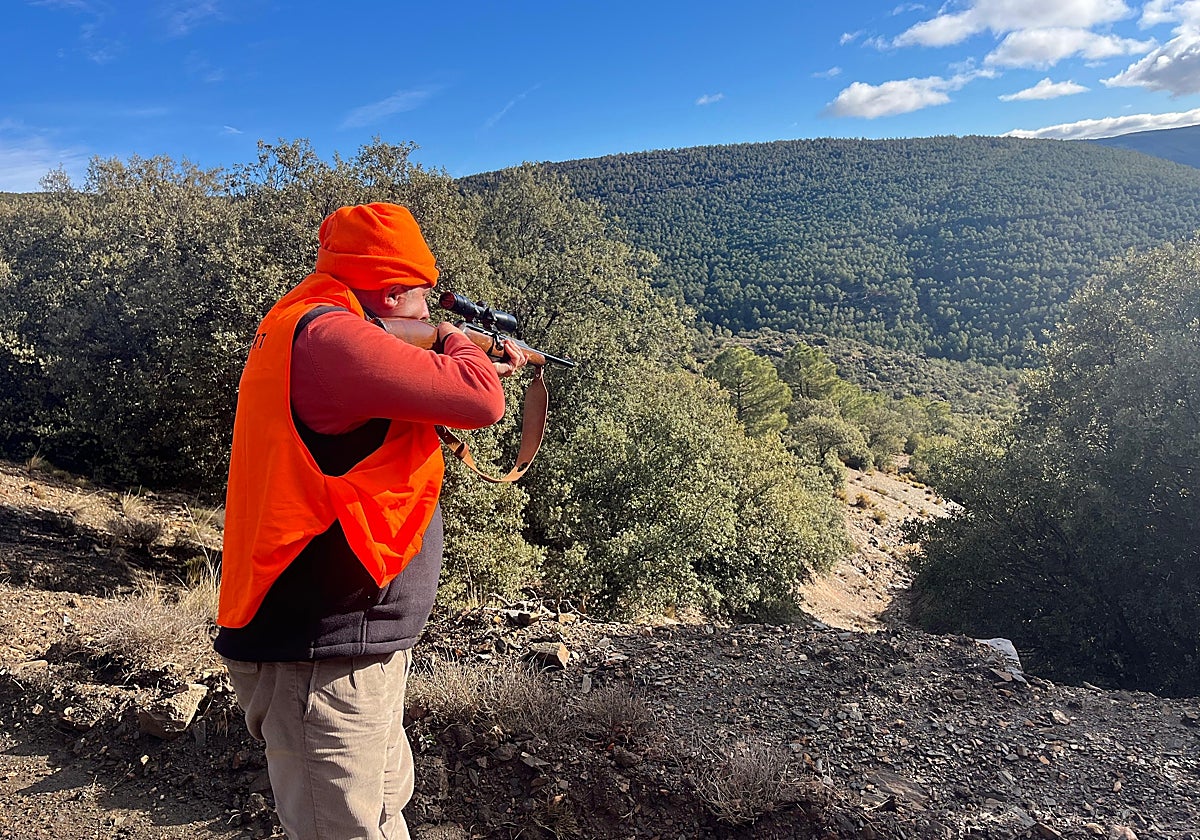
Some 100 hunters gathered in Sierra Llana in search of wild boar on this one-day event that's included in the hunting season, according to the Andalusian hunting federation

Alhaurín de la Torre
A hunting day that attracted 100 participants with nine packs of dogs to the Alhaurin de la Torre sierras ended with just four boars officially bagged.
The hunt had been authorised by regional authorities following urgent requests from the La Torre hunting club regarding the "overpopulation" of the animals.
Wild boars have become a growing problem in the region, frequently venturing into town centres and wandering onto dual carriageways, posing a significant risk to motorists and pedestrians, claimed the hunters.
The Andalusian Hunting Federation (FAC) estimated that more than 20 boars were in fact shot but the official government veterinarian certified only four deaths.
The discrepancy has been attributed to the rugged terrain of the La Mezquita-Arroyo Blanquillo area.
A spokesperson for the FAC in Malaga stated that recovering the carcasses was impossible in some instances because the animals fell into "very steep and rugged" ravines. The club had predicted a bag of around 30 animals, consistent with recent hunts in neighbouring sectors.
The operation effectively shut down a popular leisure spot. The Sierra Llana is a "sensitive" area, heavily used by hikers, cyclists, and trail runners.
The local council issued strict warnings urging the public to avoid the Blanquillo, Zambrana, and El Pinar streams between 7.30 am and 4.30 pm. All sporting and recreational activities While the FAC noted that the hunt was technically a sporting event scheduled within the standard open season, they acknowledged its necessity for population control.
"While the main aim was not explicitly controlling overpopulation, this event contributed indirectly to it," the Federation stated.
Authorities noted that more aggressive population control measures, including traps and night hunts, are permitted under a special eradication calendar running from October to February.
![[]](http://static.vocstatic.com/voc26/latest/assets/images/favicon/surinenglish/apple-touch-icon-57x57.png)