
Weather
Is it true that it was not so hot in Malaga and along the Costa del Sol in July?
While the general opinion locally is that the month was "more bearable", data from Spain's Aemet weather agency shows similar values to those of last year
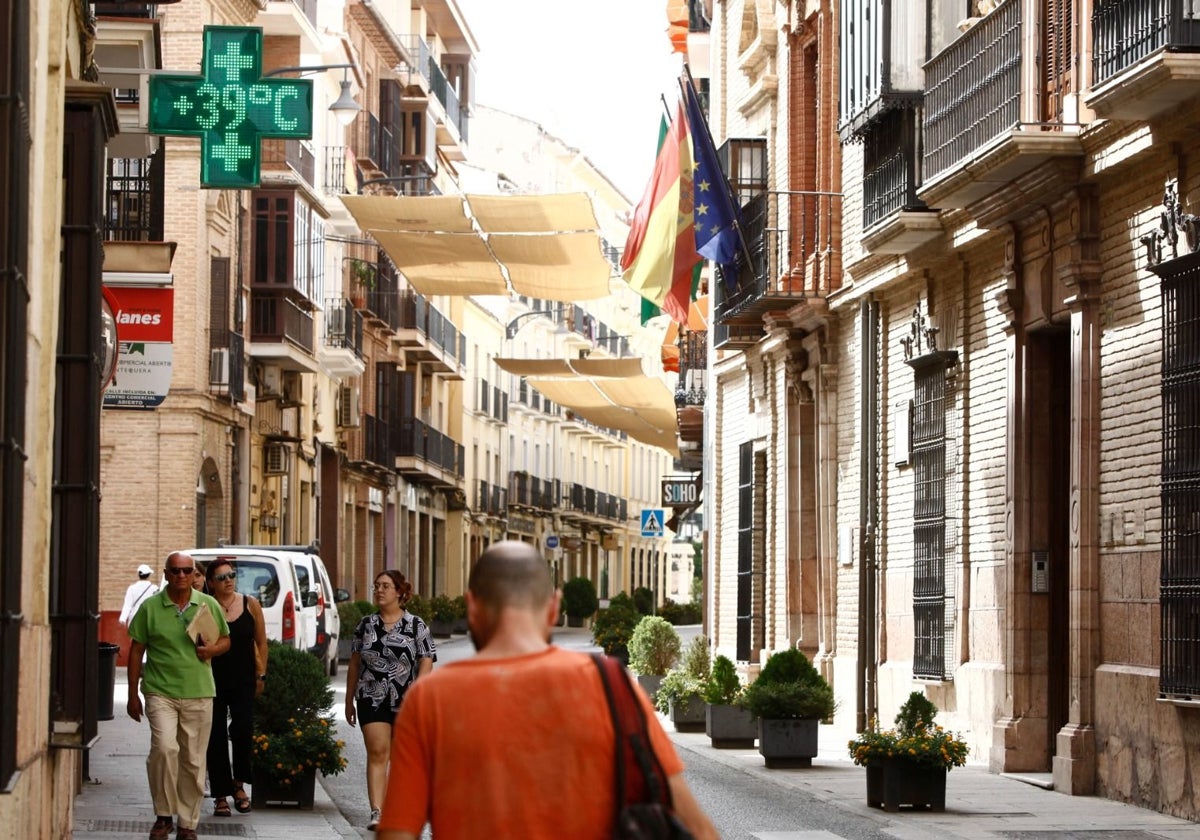

Malaga
The general feeling is that July in Malaga province was "cooler" than last year. This is the subjective opinion conveyed by most local residents when talking about the weather, which is always a favourite topic in social gatherings and general conversations, especially at this time of year. Still, is it true that it was cooler in July? The answer lies in the weather data collected by Aemet, Spain's state weather agency.
Juan de Dios del Pino, the agency's key representative in Andalucía, has explained the key weather patterns in the province over the past month. First of all, he said that the month had been classed between "warm" and "very warm", depending on the maximum and minimum temperatures.
Looking at maximum temperatures first, meaning daytime temperatures, the positive anomaly was +0.6 degrees, with an average of 32.5C. However, here comes the first piece of data that supports the general sentiment of a cooler July: last year was warmer. In 2024, the historical average was +1C higher and the month was "very warm", with an average maximum temperature of 32.9C. In conclusion, it is true that this past July "has been slightly less hot during the day than last year." Del Pino points out that this is largely due to the fact that there have been very few occurrences of 'terral' winds - the local, hot, land-based winds that particularly affect Malaga.
Warmer at night
However, this trend was broken thanks to the night-time temperatures. The minimums have had an anomaly of +1.6C (considered "very warm"), with an average of 20.5C. Last year, this stood at +1C, with an average of 19.9 degrees.
32.5C
was the average maximum temperature, slightly lower than the previous year. However, the night-time minimum was 20.5 degrees, higher than in 2024.
As for the absolute average, which takes into account the 24-hour period, it was 1.1C above the historical value and was considered "very warm" at 26.5 degrees. In this case, it practically ties with last year, when it was 1C above normal.
In conclusion, the meteorologist Del Pino said: "This year has been less hot during the day, but hotter at night, although overall it has been a little warmer than last year."
The key: fewer 'terral' winds
As for the key factors that may explain the subjective perception of a milder start to summer 2025, firstly, there is the fact that daytime highs have indeed been slightly lower. "During the day, people are correct, but the nights have been warmer."
Added to this is the fact that there have been hardly any instances of 'terral' winds. "That's what makes the difference: there have been no heatwaves here, the Costa del Sol has a microclimate where easterlies predominate."
Another possible clue is that this year's relative humidity may have been somewhat lower in general, resulting in less of that feeling of 'mugginess' ('bochorno' in Spanish, or 'plasta' as known in Malaga), associated with cloudiness and haze. In this case, Aemet's top representative in Andalucía acknowledged that it does not have the data to determine whether relative humidity was higher or lower this year, although he admits that this factor is very important in determining how we as humans respond to hot weather.
The body adapts
If temperatures have truly been similar, then why do the majority of Malaga residents consider this July to have been cooler? "It's not less hot: it's your body that has adapted." This is the response given by José Antonio Trujillo, vice-president of Malaga's professional association of doctors.
"The human body has a great capacity to adapt to the environment and heat is no exception. With climate change, we have been exposed to longer and more extreme summers for years. This causes the body to activate acclimatisation mechanisms: we sweat sooner, we regulate our internal temperature better and even our thermal perception changes," explained Dr Trujillo.
Added to this is a psychological factor: "If the last few summers have been particularly harsh, one with 'normal' temperatures may seem more bearable. In short, it's not that it's been less hot, it's that our body and mind have started to normalise the extreme heat," he said.
No sign of the heatwave in the Malaga province for the time being
The predicted nationwide heatwave in Spain has begun, so far without any signs of it occurring in Malaga province. Aemet issued a yellow-level warning for the Antequera area yesterday, with widespread maximum temperatures of 39C and locally possibly reaching 40C.
However, the maximum in Antequera yesterday was 'only' 35.7C at 4pm. Meanwhile, in Fuente de Piedra, it reached 37.7C at the same time. There is no active weather warning for today in Malaga province.
![[]](http://static.vocstatic.com/voc26/latest/assets/images/favicon/surinenglish/apple-touch-icon-57x57.png)