
Tourism
Costa del Sol loses over 100 million euros as high-speed rail link to Madrid remains suspended
The Costa del Sol has suffered an estimated 109 million euro loss in tourism revenue following the suspension of high-speed rail services between Madrid and Málaga. Since the Adamuz train crash on 18 January, nearly 66,000 fewer tourists have visited the province, prompting local leaders to demand extraordinary government aid to protect the region's 21.8 billion euro tourism economy.
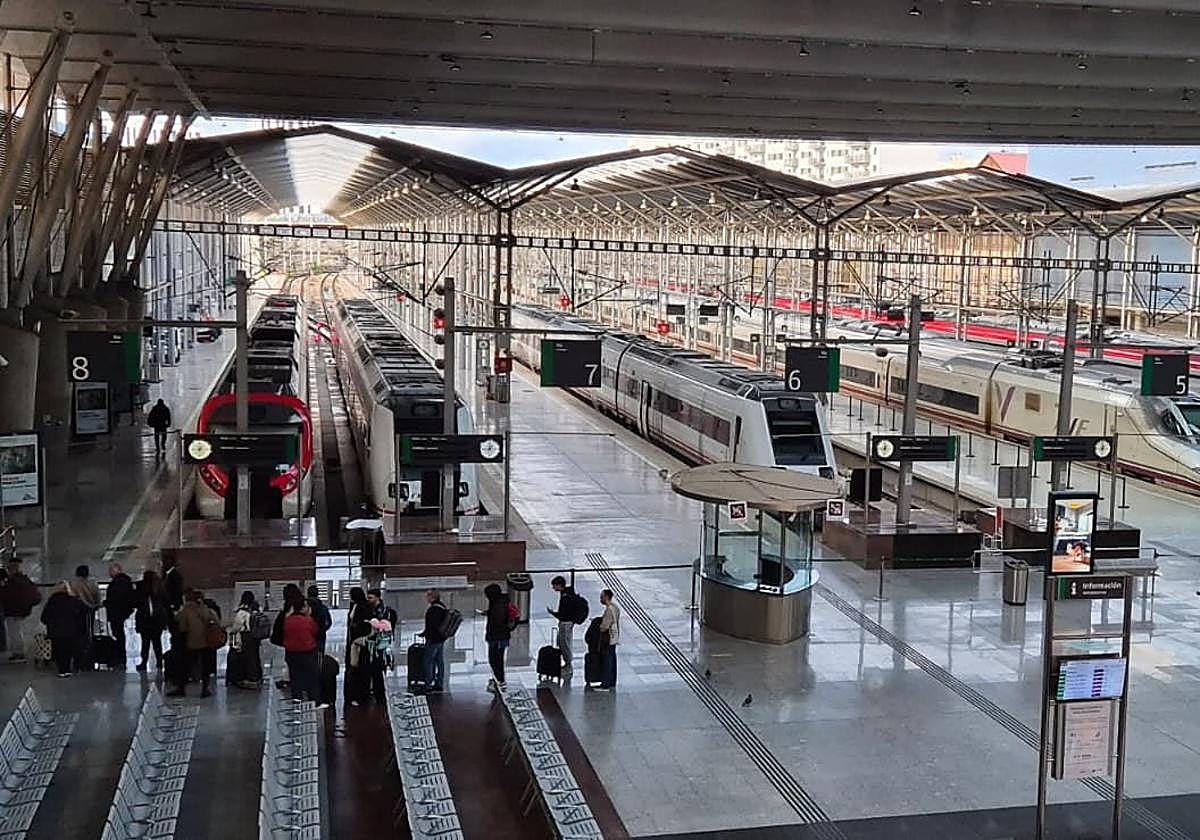

Málaga
The Malaga provincial authority has estimated that the Costa del Sol's tourism industry has lost 109 million euros due to the suspension of the high-speed rail since the Adamuz train crash on 18 January.
This means a serious direct impact on the industry, jobs and people's holidays. According to Turismo Costa del Sol, nearly 66,000 tourists would have come to the province between 19 January and 1 March if high-speed trains had not been cancelled.
This mainly concerns the domestic tourist market, as many Spaniards choose Andalucía for weekend getaways, with Madrid being the main region of origin of national tourists at this time of year.
Turismo CDS has backed its conclusions with numbers. According to the study, tourism impacts up to 24 productive branches. In 2025, it generated an average of 152,162 jobs in Malaga province and contributed to an economic injection of more than 21.8 billion euros.
The Costa del Sol is a popular destination all year round. In 2025, it attracted more than 14.6 million tourists, of which 5.5 million came from within Spain.
"Situations like this demonstrate the importance of having reliable and competitive transport infrastructure, because accessibility influences both the activity of our companies and the image of the destination," president of Turismo Costa del Sol Francisco Salado says.
The importance of the high-speed line in Malaga province
According to official transport data and passenger behaviour, the high-speed connection is one of the main ways to travel between Madrid and Malaga for locals.
Salado calls for extraordinary aid to alleviate tourism losses
Salado warns that "connectivity is key for a tourist destination to be competitive, especially in the domestic market, where speed and convenience of travel directly influence the decision to travel".
Salado has urged the central government to activate extraordinary aid to combat the losses that this transport challenge has generated for tourism. "We are not only talking about hotels, restaurants or leisure companies, but about the economy as a whole," he says.
The Andalusian hotel employers' association has also joined this plea, stating that the suspension of the high-speed line has generated a loss of 30 per cent of bookings in Malaga province. With Easter Week approaching, the hospitality industry is under a threat of losing domestic tourists during the first important annual holiday.
For this reason, Salado says that restoring the rail is "a priority". Due to recent storms and the complexity of the restoration process, the Ministry of Transport has already delayed the reopening of the rail twice, after which it stopped estimating deadlines.
Meanwhile, the Costa del Sol is practically cut off from the centre of Spain. High ticket prices, with fares higher than flights to Istanbul or Doha, and the shortage of seats have made planes an unreliable alternative until the high-speed train line reopens.
![[]](http://static.vocstatic.com/voc26/latest/assets/images/favicon/surinenglish/apple-touch-icon-57x57.png)