
Economy
Malaga’s €262m export market at risk in 2026 after Trump’s total trade threat
550 companies brace for impact as White House targets Spanish economy over Iran base refusal and NATO spending

Málaga
Malaga’s production sector is on high alert after US President Donald Trump threatened to sever all economic ties with Spain.
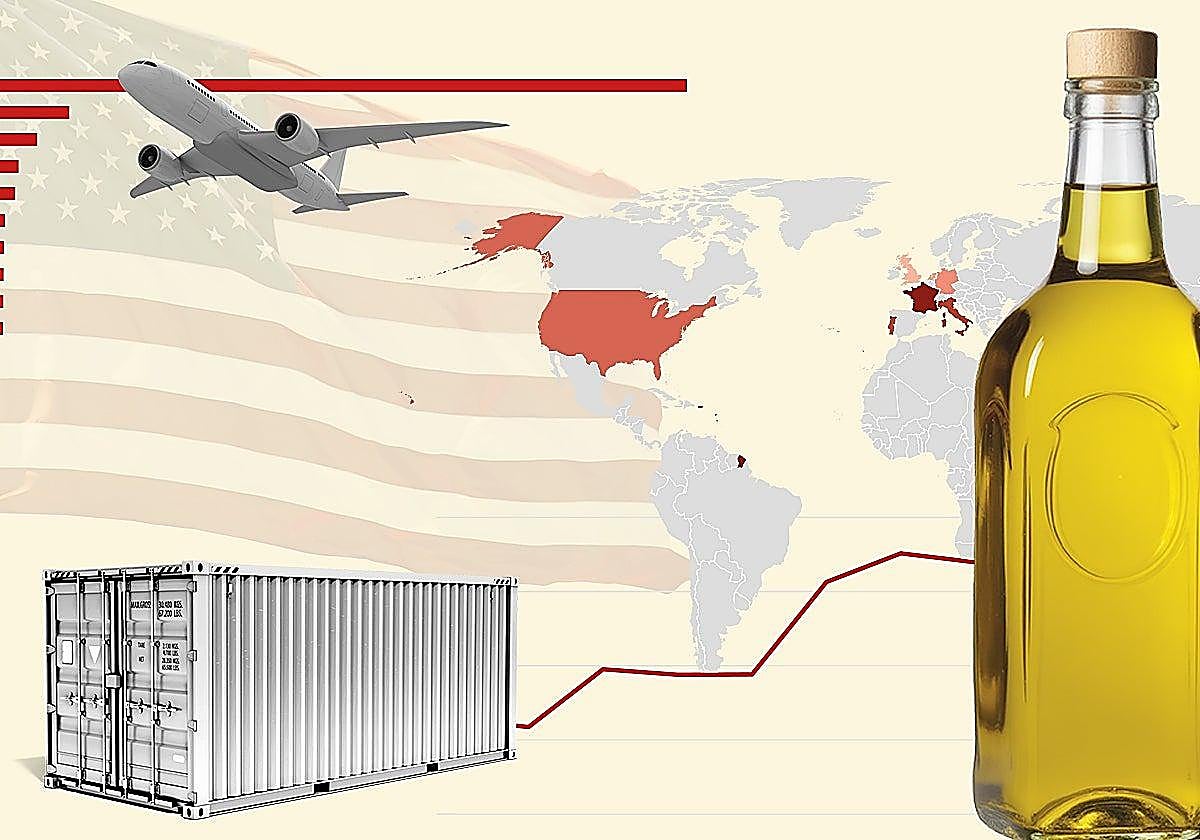
The ultimatum, delivered on Tuesday, has sent shockwaves through the 550 Malaga companies that currently rely on the American market - the province’s fourth-largest export destination
The US market accounted for €262.3 million in turnover for Malaga in 2025. However, this figure already represents a 15% decline from 2024, as local businesses struggle under the weight of the administration's "Liberation Day" tariffs.
The latest escalation stems from the Spanish government's refusal to allow US forces to use the Rota and Morón airbases for strikes against Iran.
Speaking alongside German Chancellor Friedrich Merz, Trump branded Spain a “terrible ally” and instructed Treasury Secretary Scott Bessent to “cut off all dealings” with Madrid.
The President also cited Spain's refusal to meet a 5% GDP defense spending target for NATO as a primary reason for the proposed embargo.
The number of companies exporting to the US suffered last year. In 2024, there were 738 companies trading with the US and 1,152 in 2021 (the historical record).
Spain started looking for alternative markets after tarrifs were imposed last year. However, replacing the fourth largest export destination is not feasible, at least in the short term.
Antonio Luque, president to Dcoop, warned that while Spain has spent years diversifying its markets, the scale of the US economy means it cannot simply be replaced. "It is an essential market," Luque stated, echoing the concerns of hundreds of local entrepreneurs now facing an uncertain 2026.
Olive oil is king
-
The potential blockade threatens the core of Malaga’s agricultural and technological sectors. Olive oil remains the undisputed leader of sales, making up 71% of all exports to the US, valued at €186 million last year. Key companies caught in the crossfire include:
-
Dcoop: The agri-food giant considers the US an "irreplaceable" market for its oil and table olives
-
- Airzone: Exported €22.4 million in home automation and climate control devices last year
-
- TDK & Denso Ten: Major exporters of electronic capacitors and audiovisual components
-
- Triselecta: A leading global saffron exporter based in Malaga
Around 100 Malaga companies make up the core of regular exporters to the US, including Dcoop, Airzone, Mayoral and the former Fujitsu.
Olive oil is the undisputed king of Malaga's sales to the US: it accounts for 71 per cent of the value exported (186 million last year). Other products such as wine, canned olives, vinegar and saffron are also important items on the list.
One of the main exporters of saffron - Triselecta - has its headquarters in Malaga, despite the fact that production takes place outside the province.
There are also other goods among the top exports: Airzone's home automation control devices (22.4 million euros last year), solar panels, TDK's electronic capacitors, electronic components for televisions and Denso Ten España's audiovisual devices.
Malaga also exports works of art (worth 1.5 million euros), high-end watches that American tourists buy in the Costa del Sol (worth more than 2.3 million euros) and 'shisha' tobacco (more than half a million euros).
Imports: vehicles, machinery, medicines
Despite the mounting pressure, Malaga maintains a significant trade surplus with the US. While imports (primarily vehicles, agricultural machinery, and medicines) grew slightly to €105.8 million, they remain less than half the value of Malaga’s exports.
![[]](http://static.vocstatic.com/voc26/latest/assets/images/favicon/surinenglish/apple-touch-icon-57x57.png)